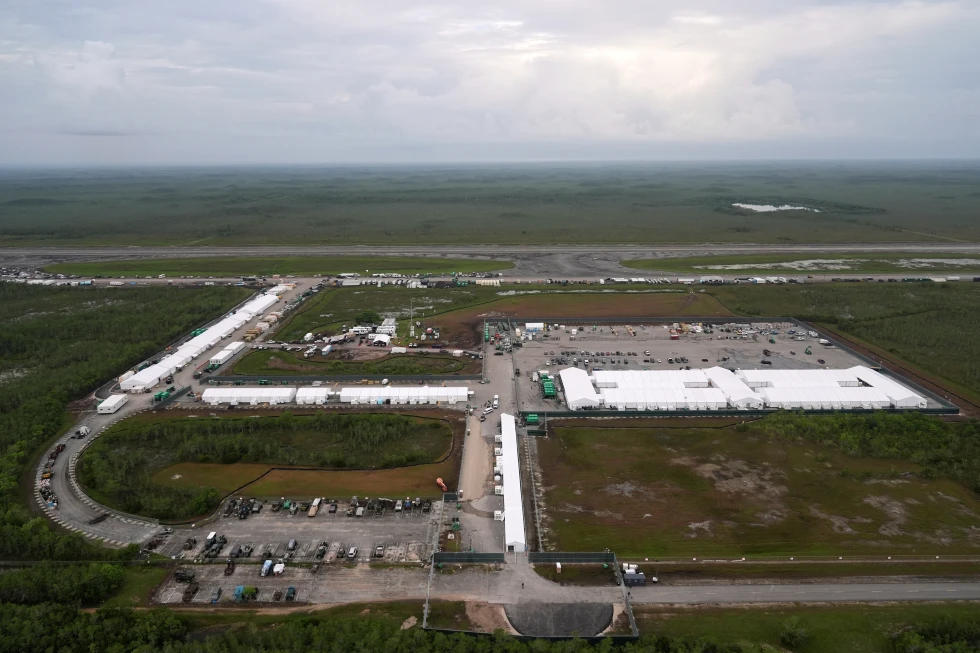
MIAMI (AP) — Felipe Hernandez Espinosa spent 45 days at “Alligator Alcatraz,” an immigration holding center in Florida where detainees have reported unsanitary conditions including worms in their food and overflowing sewage. Currently, the 34-year-old asylum-seeker is in detention at the Fort Bliss Army base in El Paso, Texas, which reportedly shares many of the same troubling conditions.
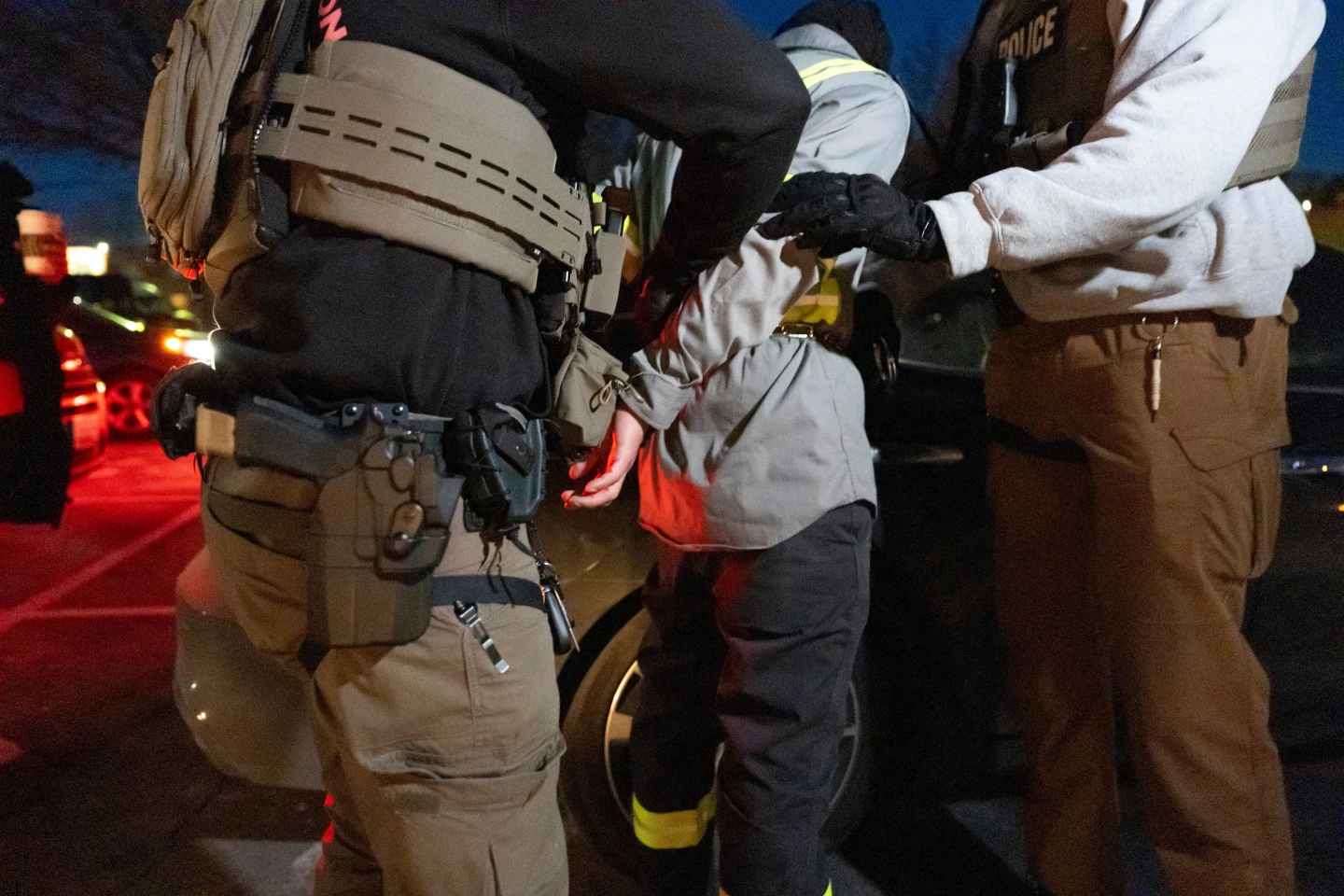
Hernandez's ordeal underscores a growing trend of prolonged detention practices during the current administration, heightened by policies that restrict immigration judges from releasing detainees while their cases are pending, contributing to a backlog in the courts.
“I came to this country thinking they would help me, and I’ve been detained for six months without having committed a crime,” he stated in a phone interview. “It is been too long. I am desperate.”
In January, ICE data revealed over 7,000 individuals have been held for longer than six months, including some detainees who are victims of serious threats in their home countries. Reports indicate a lack of judicial oversight results in many detainees, like Hernandez, feeling hopeless and prepared to abandon their efforts to stay in the United States.
Hernandez, fearing for his safety in Nicaragua after enduring threats, has repeatedly requested to return to his home country, only to encounter bureaucratic obstacles that delay any resolution of his status. He awaits a pivotal hearing set for February 26, reflecting a justice system teetering under its own weight.
Meanwhile, other detainees share similarly grim narratives that speak to the deteriorating conditions in immigration facilities and the desperation that results from indefinite detention. Stories such as these continue to emerge as legal advocates call attention to the urgent need for reformations within the immigration detention system.