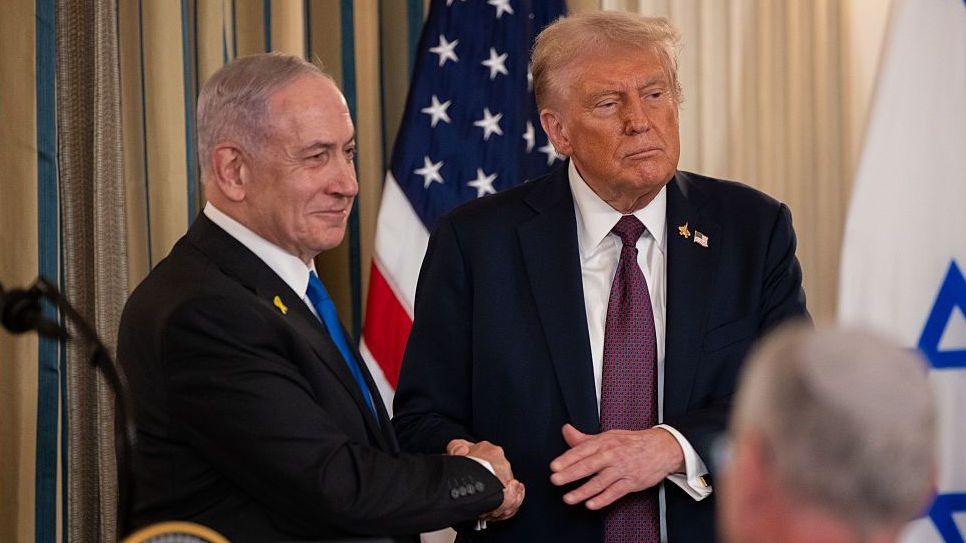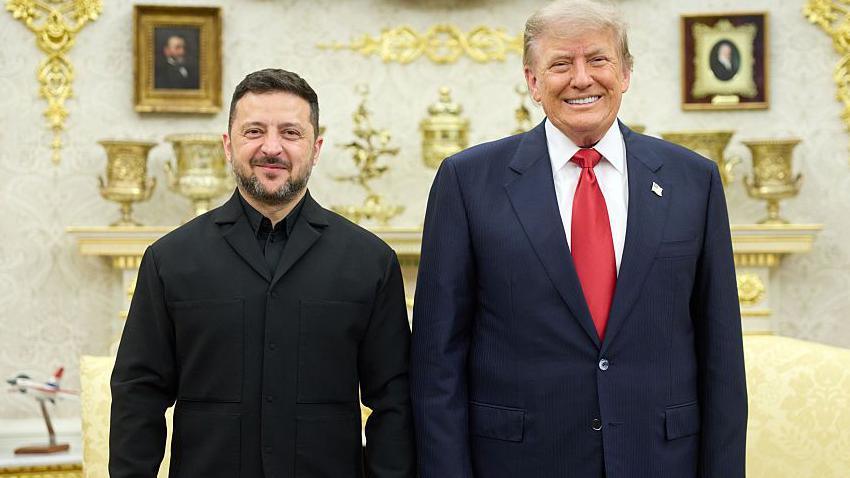
President Donald Trump sat with Ukrainian President Volodymyr Zelensky and Israeli Prime Minister Benjamin Netanyahu in Washington for separate talks that the White House called "positive and productive." The meetings unfolded against the backdrop of a funeral for Senator Lindsey Graham, a key supporter of aid to Ukraine and Israel.
Zelensky pressed the U.S. for a licence to produce Patriot interceptor missiles, a system that can kill ballistic missiles and drones used by Russia to assault Ukrainian cities. He told a Fox News interview that Trump agreed to licences, after which he spoke with U.S. defence contractors. The Patriot missile can track up to eight targets simultaneously and is capable of intercepting rockets out to 1,000 kilometres. Each missile costs between three and five million dollars, and Ukraine has asked for at least twenty‑five systems.
Netanyahu’s meeting focused heavily on Iran, as U.S.‑Israel relations have been strained by differing views on Iran’s nuclear programme and recent strikes in Lebanon. The Israeli leader said the talks reinforced a shared goal “to ensure that Iran does not have nuclear weapons.” He described the discussion as one of the best he has had with the U.S. president.
Following the sessions, U.S. military officials reported a surprise Iranian missile attempt to strike American forces in the Middle East, all of which were intercepted. Meanwhile, U.S. and Saudi forces launched air strikes against Iranian proxies in eastern Iraq that had fired drones at Saudi energy infrastructure.
In the context of ongoing sanctions against Russian oil and gas buyers, U.S. lawmakers praised the effort as a strong signal of support for Ukraine and a clear stance against Iran. Zelensky’s appeal for Patriot production also fits within a broader strategy to keep Ukrainian forces well‑armed amid the Russian campaign.
Trump posted a brief note on Truth Social that the meetings “went very well,” echoing the White House’s description of the discussions as constructive. These interviews reflect Washington’s balancing act between supporting allies abroad and managing regional tensions in the Middle East.