In brief
President Donald Trump has exercised his presidential authority to suspend several provisions of a recently signed Russia sanctions bill. The law, named after late Senator Lindsey Graham, targeted the Russian economy and empowered Washington to impose up to 100% tariffs on major buyers like China and India. Trump’s move comes after he announced a plan to import Russian diesel before the mid‑term elections, provoking bipartisan criticism. Lawmakers urge full implementation in hopes of pressuring Vladimir Putin into peace talks, while allies warn the deal could aid Russia’s war efforts in Ukraine.
President Donald Trump has used his presidential authority to block a number of sanctions on Russia that were passed by Congress to punish the country for its war on Ukraine.
In an executive order issued Friday night, Trump said that it was in the United States’ national interest to withhold provisions of the sanctions law, which had been signed into law in September and was set to take effect on Sunday.
The decision follows Trump’s announcement that the United States would import Russian diesel in an effort to lower domestic energy prices before the November mid‑term elections, a move that shocked lawmakers and sparked a bipartisan backlash.
The law, named after the late Republican Senate Senator Lindsey Graham, targets Russia’s economy and gives the President broad powers to levy up to 100% tariffs on the top five purchasers of Russian oil and gas – most notably China and India. It also sanctions key figures in the Russian government, certain banks, and the country’s shadow fleet of tankers that evaded previous sanctions.
On Thursday, a bipartisan group of 20 U.S. lawmakers drafted a letter urging President Trump to carry out the newly enacted law fully and promptly. They argued that decisive action would pressure Vladimir Putin to consider peace talks and called for the administration to apply the Graham law’s sanctions without delay.
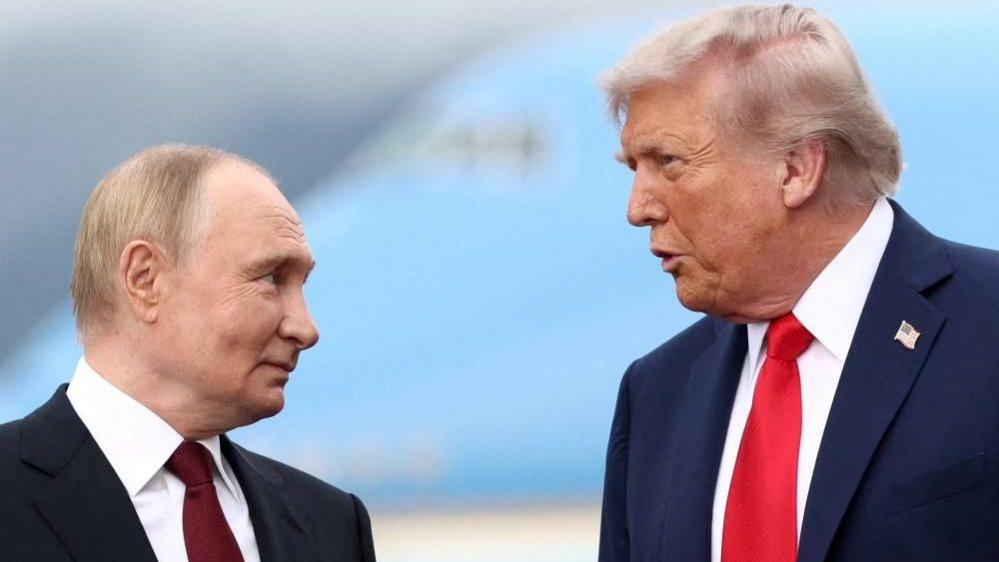
Earlier this week, Trump reported that he had held a phone conversation with President Vladimir Putin and agreed to purchase diesel from Moscow. U.S. allies decried the decision, pointing out the potential to bolster Russia’s war effort. Ukrainian President Volodymyr Zelensky described the deal as a “gift to Putin” – an investment in a war that must end.