Trump Warns Iran While Oil Prices Snap to Three‑Week Low
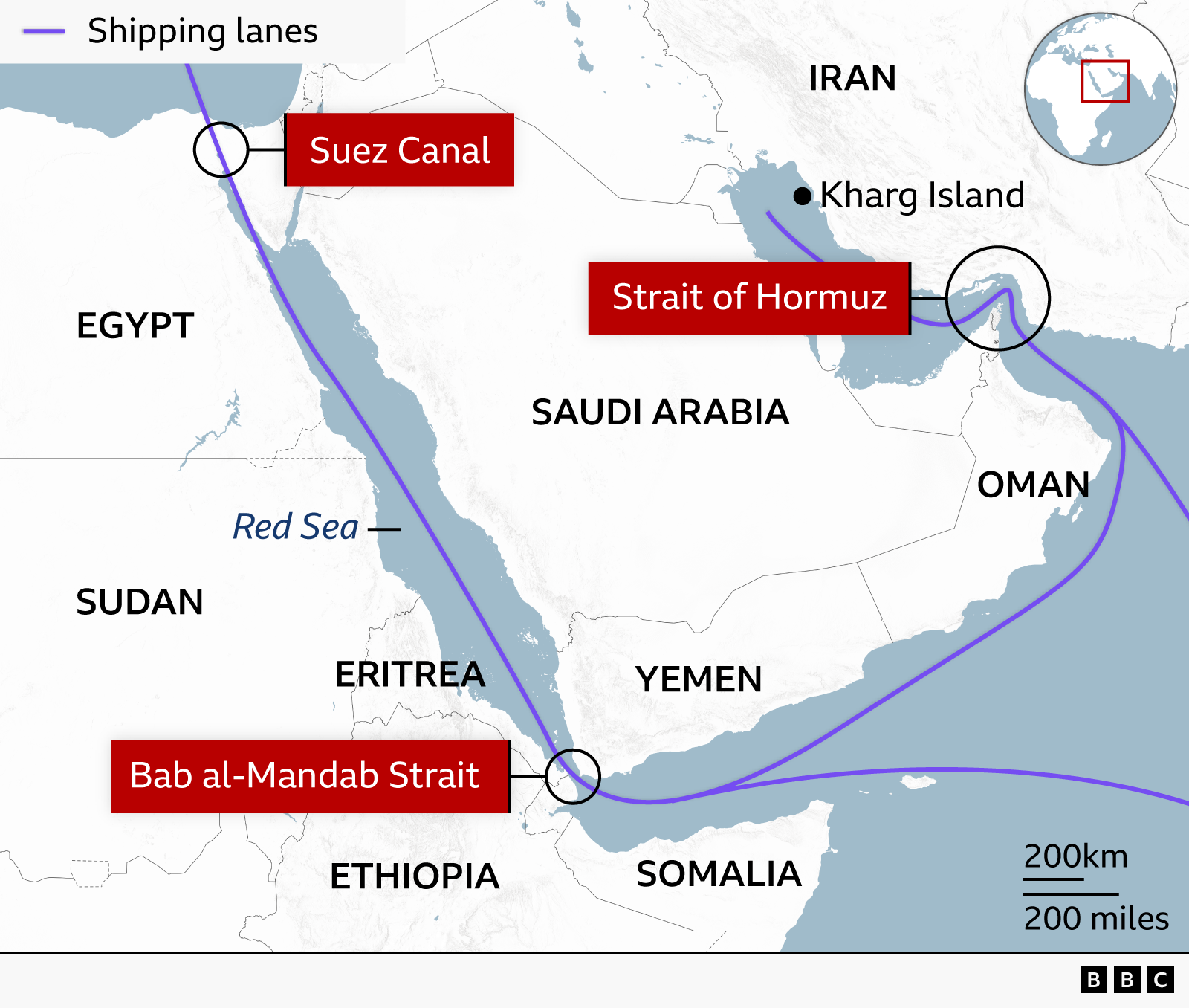
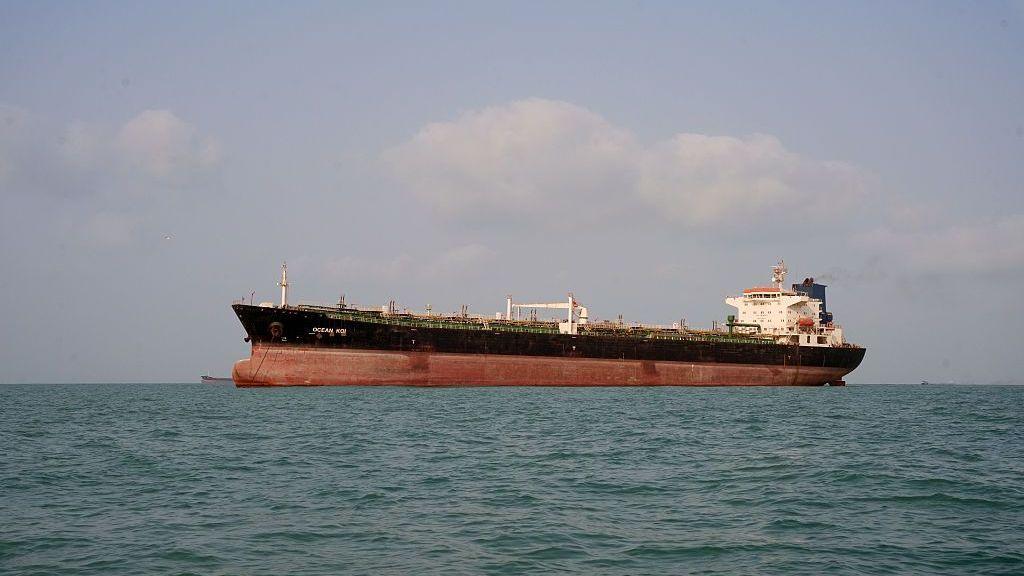
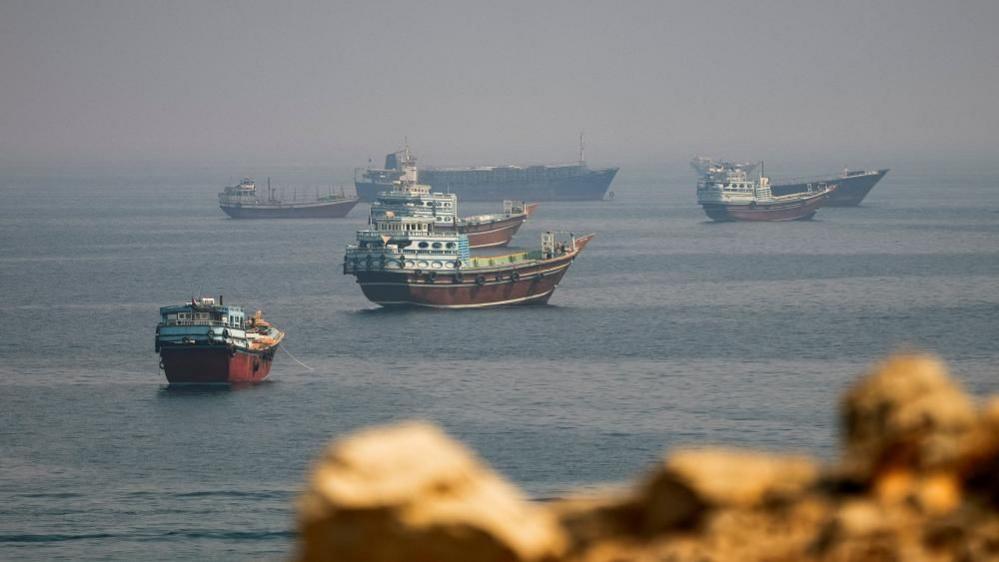
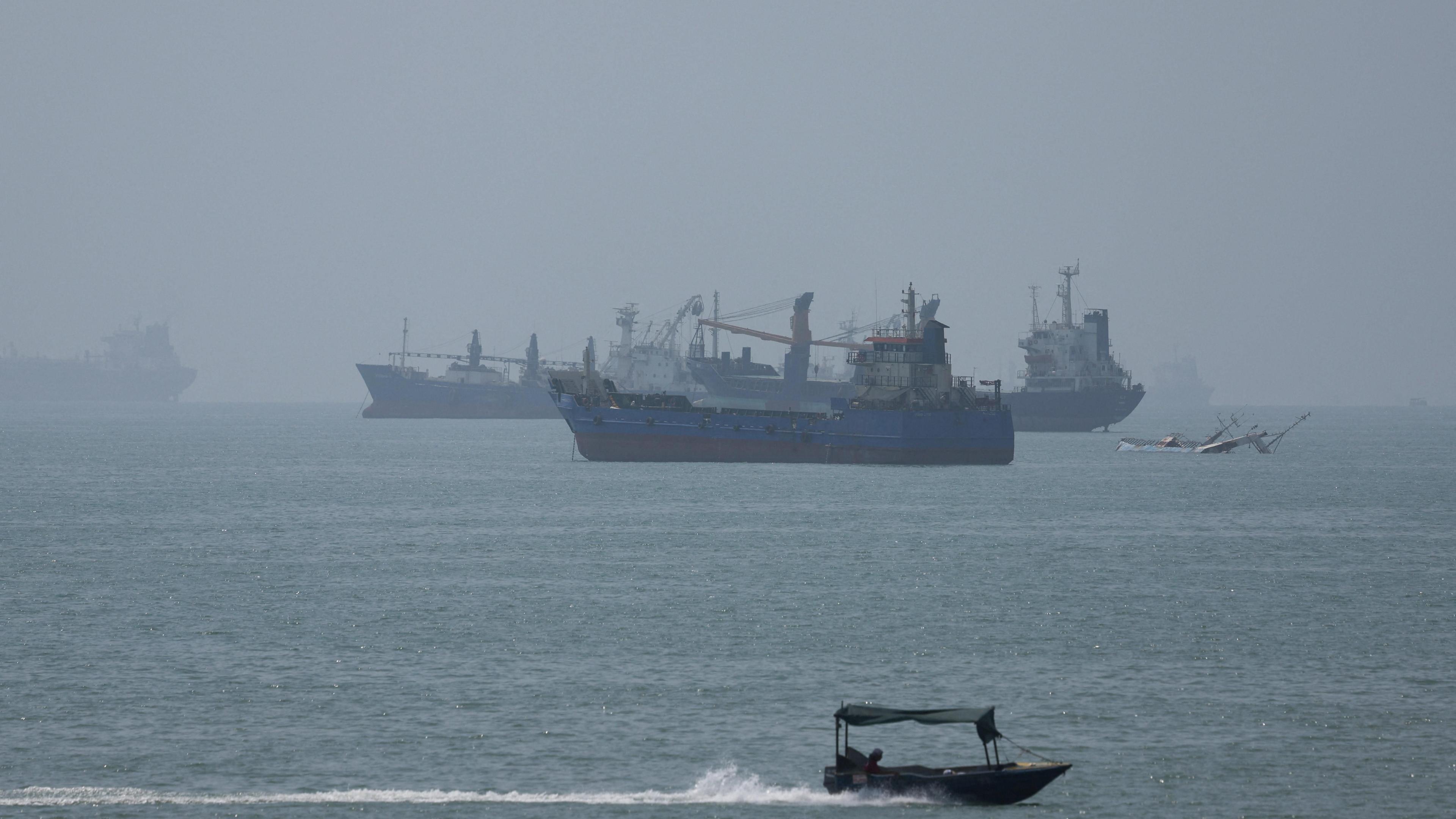
President Donald Trump told the press that Iran would be “hit very hard” if the Strait of Hormuz, the world’s vital oil conduit, remained closed, just as Brent crude fell to sub‑$80 a barrel – its lowest level in three weeks.
“I’m confident the discussions are going well,” Trump said during his California tour, repeating comments from Secretary of State Marco Rubio and Treasury Secretary Scott Bessent that shipping could resume “very soon.” The U.S. Central Command confirmed the southern route through the strait remains open for all commercial vessels.
The slump in oil prices followed weeks of rising tensions in the Gulf, prompting speculation that a new agreement could ease the market’s current volatility. The week‑long dip left West Texas Intermediate futures at their lowest levels since mid‑July.
While Washington claims dialogue has resumed with Iran and Oman, Tehran maintains it is not negotiating directly with the U.S. Instead, it is working through mediators such as Qatar, which has pressed for a diplomatic settlement. No concrete deal structure has been disclosed.
Fuel prices have been directly affected: UK petrol now averages £1.60 per litre, the Level UK governments first hounded by the conflict, while U.S. gas sits above $4 a gallon. The price surge has boosted profits for major oil majors, yet analysts warn that the market remains “at the mercy” of U.S. policy.
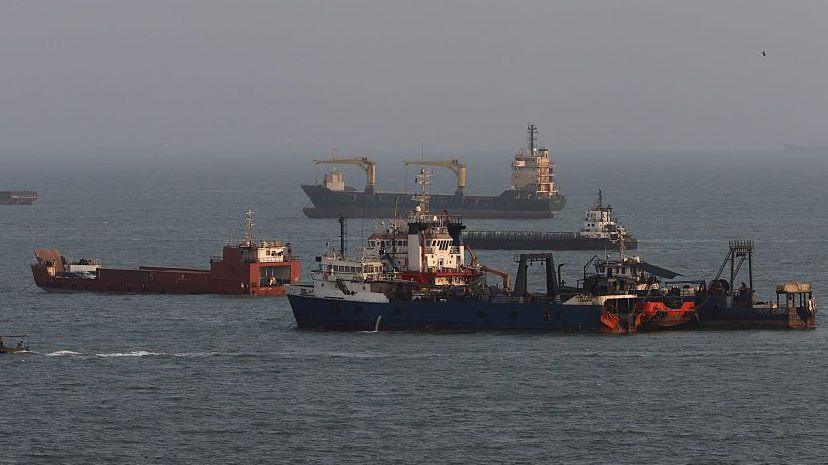
With the ongoing conflict, the U.S. has reportedly used nearly all of its global stockpile of precision missiles, according to European media reports. The historic strike‑risk surrounding shipping lanes in the Persian Gulf was highlighted after a projectile sank an Indian‑flagged vessel in Yemeni waters last Tuesday.
The potential reopening of the Strait could relieve pressure on tanker routes, but it also raises legal questions – notably, whether Iran would charge shipping fees. Treasury Secretary Bessent said a deal might be reached “by Wednesday,” but he offered no finer details.
As the U.S. market watches for a diplomatic resolution, the broader geopolitical stakes — energy security, sanctions policy, and regional stability — remain high. Washington’s aggressive posture has been mirrored by global calls for a balanced, lasting agreement, balancing economic interests against the risks of renewed hostilities.