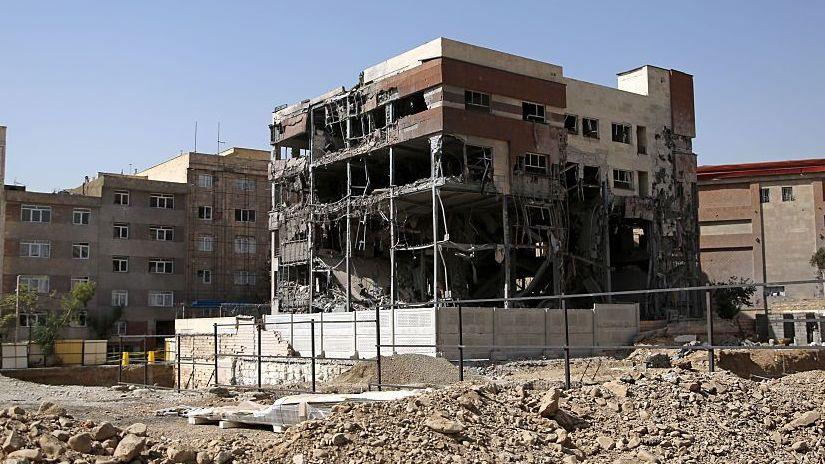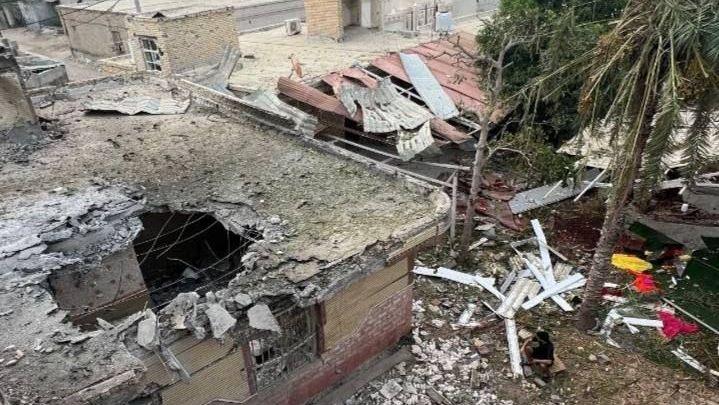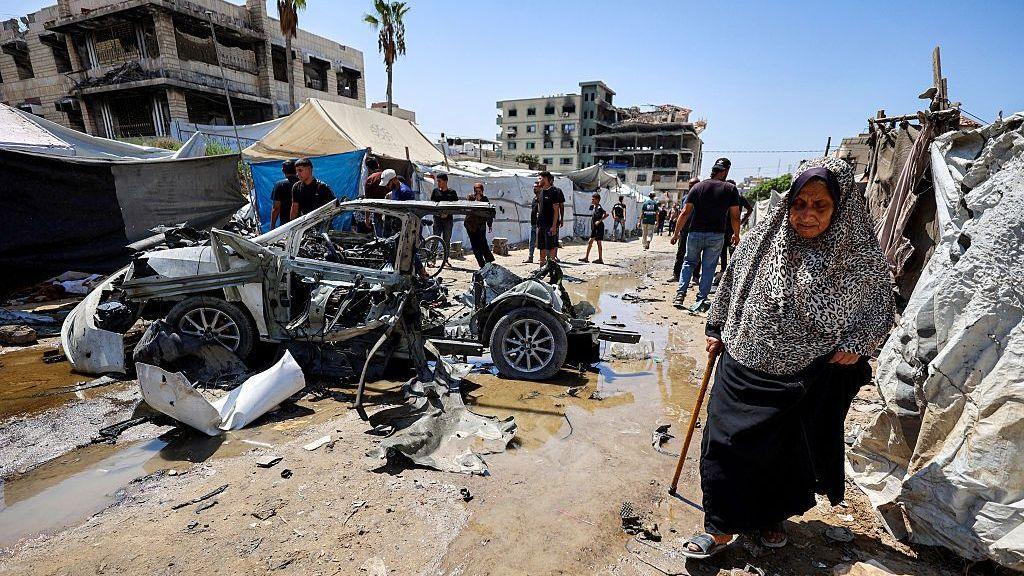
The BBC team trekked along an abandoned Mediterranean highway in southern Lebanon, a region that has become a frontline after a series of Israeli strikes that began in March this year. What once were thriving villages now lie in ruins, their crops abandoned and buildings that once bustled with life standing as gray skeletons amid the dust.
Near Naqoura, a lone Lebanese military checkpoint—painted in the national flag’s white‑red scheme—reminds visitors that the state's presence is still fading. Further south, Israeli symbols punctuate the landscape: the yellow flag, armored vehicles, and a wall that separates the country from its neighbour, a concrete barrier that snakes for ten kilometres.
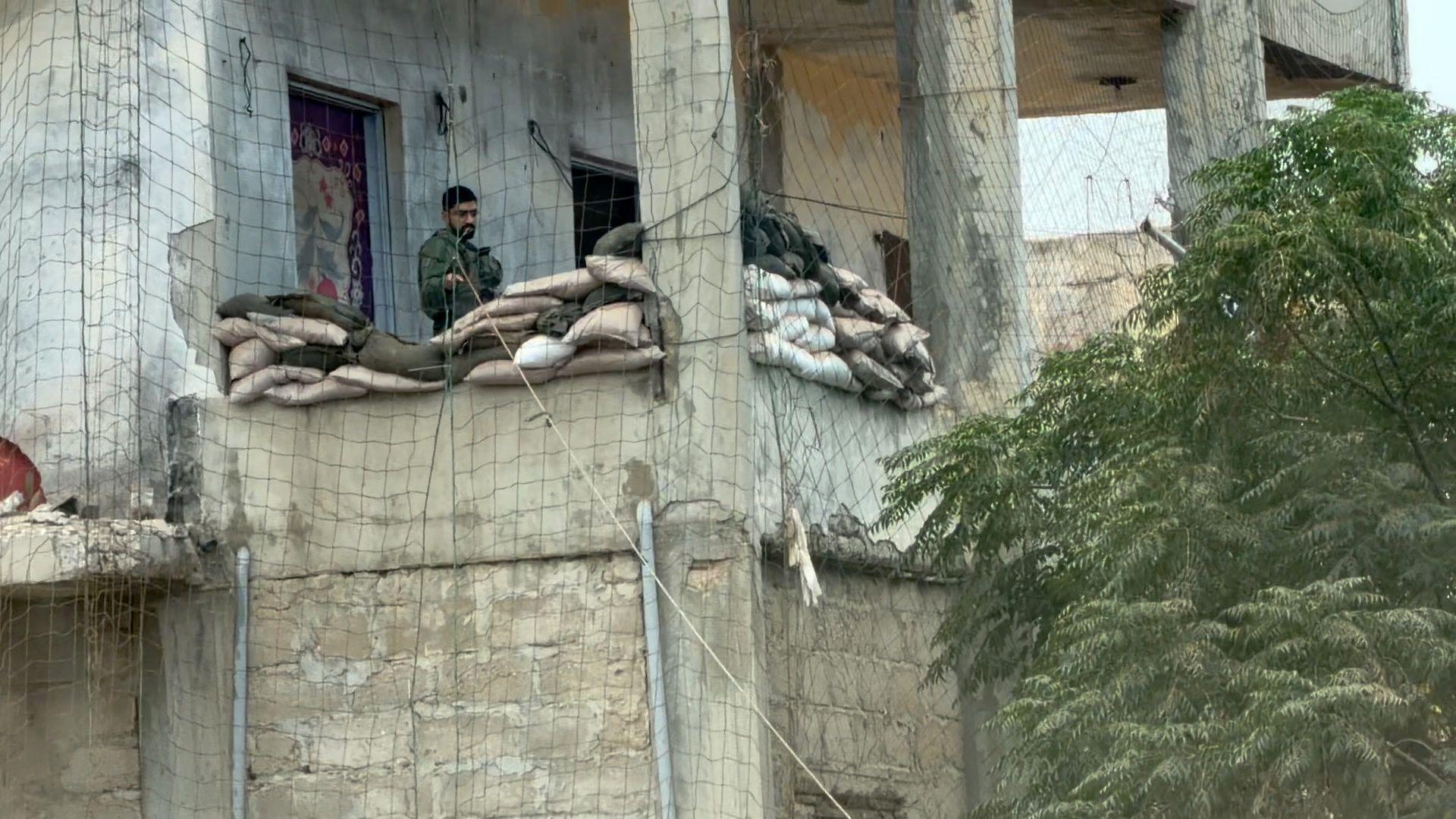
UNIFIL, the United Nations peacekeeping force, allowed the BBC to escort civilians through the occupied territory, revealing how the Israeli defence ministry’s “security zone” is expanding. New bases have been erected, soldiers patrolling the roads, and residential homes covered with netting to protect them from Hezbollah’s drone attacks.
The Israeli defence minister has announced plans to maintain a long‑term presence, citing threats from Hezbollah and the need to protect northern Israeli communities. The cabinet’s stance has drawn criticism from human‑rights groups, who allege that the destruction of civilian infrastructure constitutes war crimes, and from the Lebanese intelligence office, which reports over five thousand violations of a ceasefire agreement in the occupied zone.