In brief
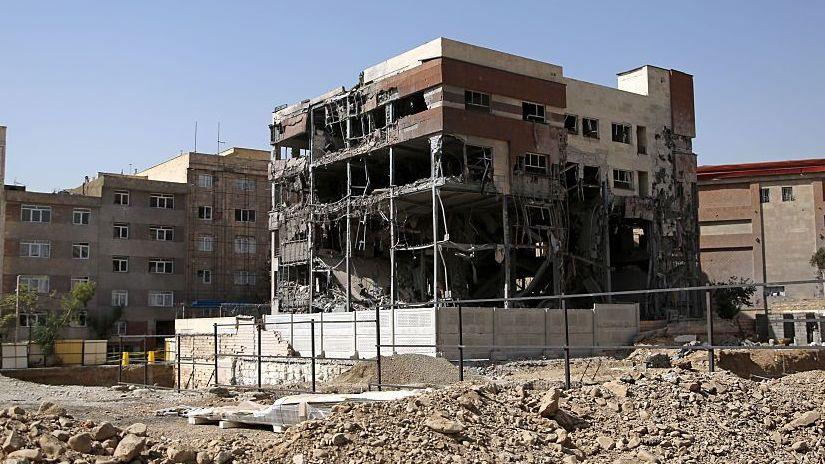
The US‑Iran conflict now enters its seventh month, with strikes, economic blockades and uncompromising rhetoric leaving neither side ready to negotiate. Former diplomatic and security experts argue that the United States may have to return to the 2026 Memorandum of Understanding, while Tehran waits for concessions before yielding. They warn that economic sanctions alone will not force a compromise, as key allies of Iran are unlikely to support unilateral measures. Ultimately, a negotiated ceasefire remains the only viable solution, though it may require patience and a shift in strategy by both superpowers.
The US‑Iran conflict now stretches into its seventh confrontation of strikes, blockades, and hard‑spoken rhetoric, leaving both parties adrift when it comes to a sudden ceasefire.
US officials claim the current economic embargo is intended to grind down Iran’s shipping in the Strait of Hormuz—closing a key commercial corridor that has been under pressure since February of 2026. However, the 60‑day ceasefire agreement signed in June has expired, and no new protocol has emerged to force the country to negotiate.
When queried about how the war might terminate, three experts each offered distinct frameworks. Dr. Aniseh Bassiri Tabrizi, of Chatham House, warned that Iran will keep waiting for US concessions and that the current sanctions will not shift Tehran’s calculations. She highlighted that economic hardship will not bring a pre‑planned explosive compromise, but that policy patience could erode hard‑liner power.
Senior Fellow Jason Campbell points to the US combining military pressure with a heavy‑handed sanctions package aimed at shuffling powers in Tehran’s negotiating room. He argues the United States is currently “satisfied” with the blockade and its periodic strikes that aim to keep a frictionless shipping lane open while maintaining pressure.
Nicholas Hopton, of the Royal United Services Institute, maintains that hard‑line economic tactics are unlikely to win outright, citing the lack of global support from allies such as China and Russia. Hopton says the only direct exit strategy is to return to the 2026 Memorandum of Understanding—a move that could weaken Iran’s hard‑line spirit and ultimately create a regime shift if sanctions were lifted over time.
In sum, the US and Iran appear stuck in a scenario where neither side is willing to compromise without concessions. The experts conclude that negotiations will need to be revisited with new leverage, potentially by re‑engaging the Memorandum of Understanding or offering deeper economic relief to push Iran down a different path to peace.