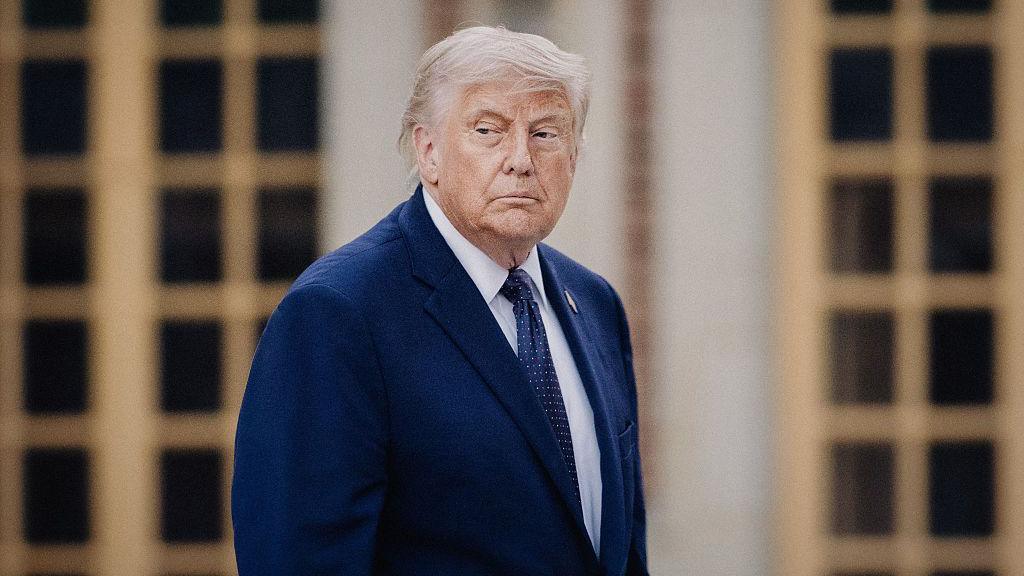
Another one bites the dust. The past few weeks had been dubbed a retribution tour for Donald Trump, as he settles old scores with his critics within the Republican Party.
Evidence is mounting that the Republican party is firmly under Trump's control. Not even unpopular wars, dismal polling numbers, or rising consumer prices have altered this trend. In the latest development, Thomas Massie, the independent-minded congressman from Kentucky, was comfortably defeated in the Republican primary by Trump-endorsed Ed Gallrein, who appears to secure a 55% share of the vote.
Massie has been a constant thorn in Trump's side, voting against the president's budget plan and military actions, while also pushing for the release of Justice Department files related to Jeffrey Epstein. These actions landed Massie on Trump's enemies list, leading to a significant $20 million campaign effort aimed at ousting him.
Trey Grayson, a former Republican secretary of state in Kentucky, noted that Massie's loss illustrates Trump's continued power over the party. Massie's independent stances led him to acquire many enemies locally, making this defeat a clear message about Trump's grip.
Interestingly, Gallrein's campaign was rather low-key; he largely avoided debates and public forums, leaning heavily on Trump's endorsement and funding. This strategy proved successful as voters did not seem to mind a candidate who did little campaigning.
Massie's defeat, coupled with other recent losses of incumbents like Louisiana Senator Bill Cassidy, underscores the effective power Trump wields over Republican electorates. As Trump prepares to target more incumbents, the implications for the Republican Party's future remain uncertain, especially given the criticisms of his economic management.
The situation paints a clear picture of a party realigned under Trump's leadership, leading to questions about what these ousted incumbents may do in their remaining months and how they could impact Trump's agenda.
Despite his strong base, Trump risks alienating moderate voters with his focus on loyalty over broader appeal, particularly as his approval ratings on critical issues continue to falter. His relentless campaign against dissenters within the party could yield unforeseen consequences in upcoming elections, where party unity will be put to the test.}
Evidence is mounting that the Republican party is firmly under Trump's control. Not even unpopular wars, dismal polling numbers, or rising consumer prices have altered this trend. In the latest development, Thomas Massie, the independent-minded congressman from Kentucky, was comfortably defeated in the Republican primary by Trump-endorsed Ed Gallrein, who appears to secure a 55% share of the vote.
Massie has been a constant thorn in Trump's side, voting against the president's budget plan and military actions, while also pushing for the release of Justice Department files related to Jeffrey Epstein. These actions landed Massie on Trump's enemies list, leading to a significant $20 million campaign effort aimed at ousting him.
Trey Grayson, a former Republican secretary of state in Kentucky, noted that Massie's loss illustrates Trump's continued power over the party. Massie's independent stances led him to acquire many enemies locally, making this defeat a clear message about Trump's grip.
Interestingly, Gallrein's campaign was rather low-key; he largely avoided debates and public forums, leaning heavily on Trump's endorsement and funding. This strategy proved successful as voters did not seem to mind a candidate who did little campaigning.
Massie's defeat, coupled with other recent losses of incumbents like Louisiana Senator Bill Cassidy, underscores the effective power Trump wields over Republican electorates. As Trump prepares to target more incumbents, the implications for the Republican Party's future remain uncertain, especially given the criticisms of his economic management.
The situation paints a clear picture of a party realigned under Trump's leadership, leading to questions about what these ousted incumbents may do in their remaining months and how they could impact Trump's agenda.
Despite his strong base, Trump risks alienating moderate voters with his focus on loyalty over broader appeal, particularly as his approval ratings on critical issues continue to falter. His relentless campaign against dissenters within the party could yield unforeseen consequences in upcoming elections, where party unity will be put to the test.}