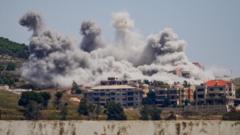
Israeli forces conducted air strikes on southern Lebanon on Wednesday, killing at least nine people, according to the Lebanese health ministry. The attack, which targeted an ambulance in the Chehour area and a civilian car near Beirut, came amid a surge of rockets fired by Hezbollah into northern Israel.
The health ministry said the victims were two paramedics, four Syrians and two Palestinians. An ambulance belonging to the Risala Scouts Association – an affiliate of Hezbollah’s Amal movement – was “directly targeted”, the ministry added. Lebanon’s military later confirmed that a soldier was killed and several others injured along a road near Nabatieh and Tyre.
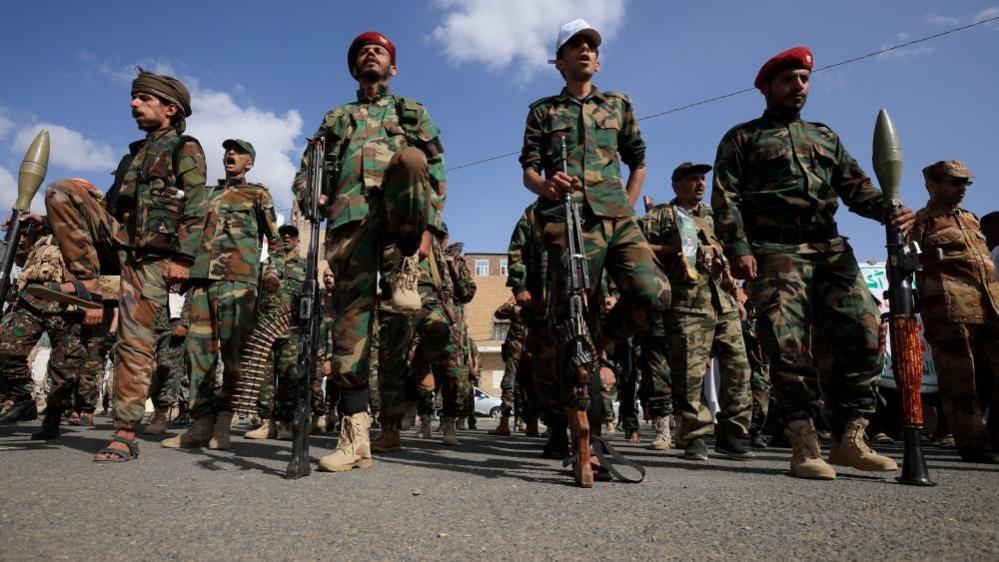
Israel cited a drone and two projectiles that crossed the border, claiming it intercepted hostile aircraft and fire‑missiles. Hezbollah counter‑claimed that the rockets were a response to the Israeli “violation of the cease‑fire” agreement, saying it targeted a “gathering of Israeli troops”.
The incidents tested a partial truce brokered on Monday, which promised Israel would refrain from a broad assault on Beirut in exchange for Hezbollah’s restraint at the border. U.S. officials, including Secretary of State Marco Rubio, have urged the parties to develop a concrete action plan for independent security in Lebanon.
The war that began on 2 March–when Hezbollah fired rockets in retaliation for an Israeli strike that killed Iran’s Supreme Leader–has already claimed the lives of over 3,500 people in Lebanon, according to the health ministry. The United Nations reports that more than one million residents have fled, and Israeli evacuation orders cover a significant part of the country.
Israel estimates that 26 of its soldiers and four civilians have died in the conflict, while the Lebanese army reports targeted strikes against its vehicles and personnel continue. Hezbollah warns it will retaliate further if Israeli forces breach the cease‑fire, particularly around its stronghold in Beirut’s southern suburbs.
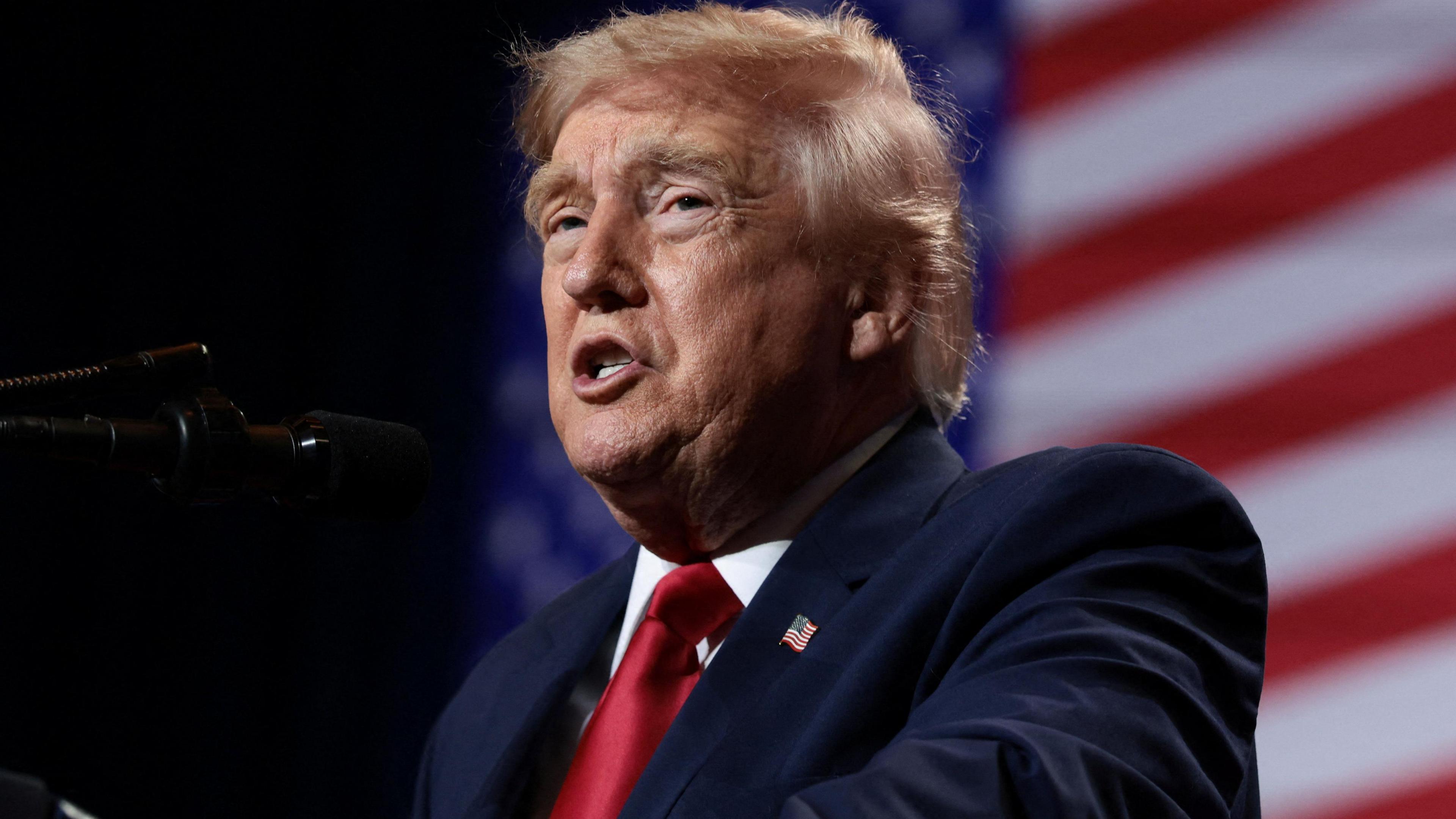
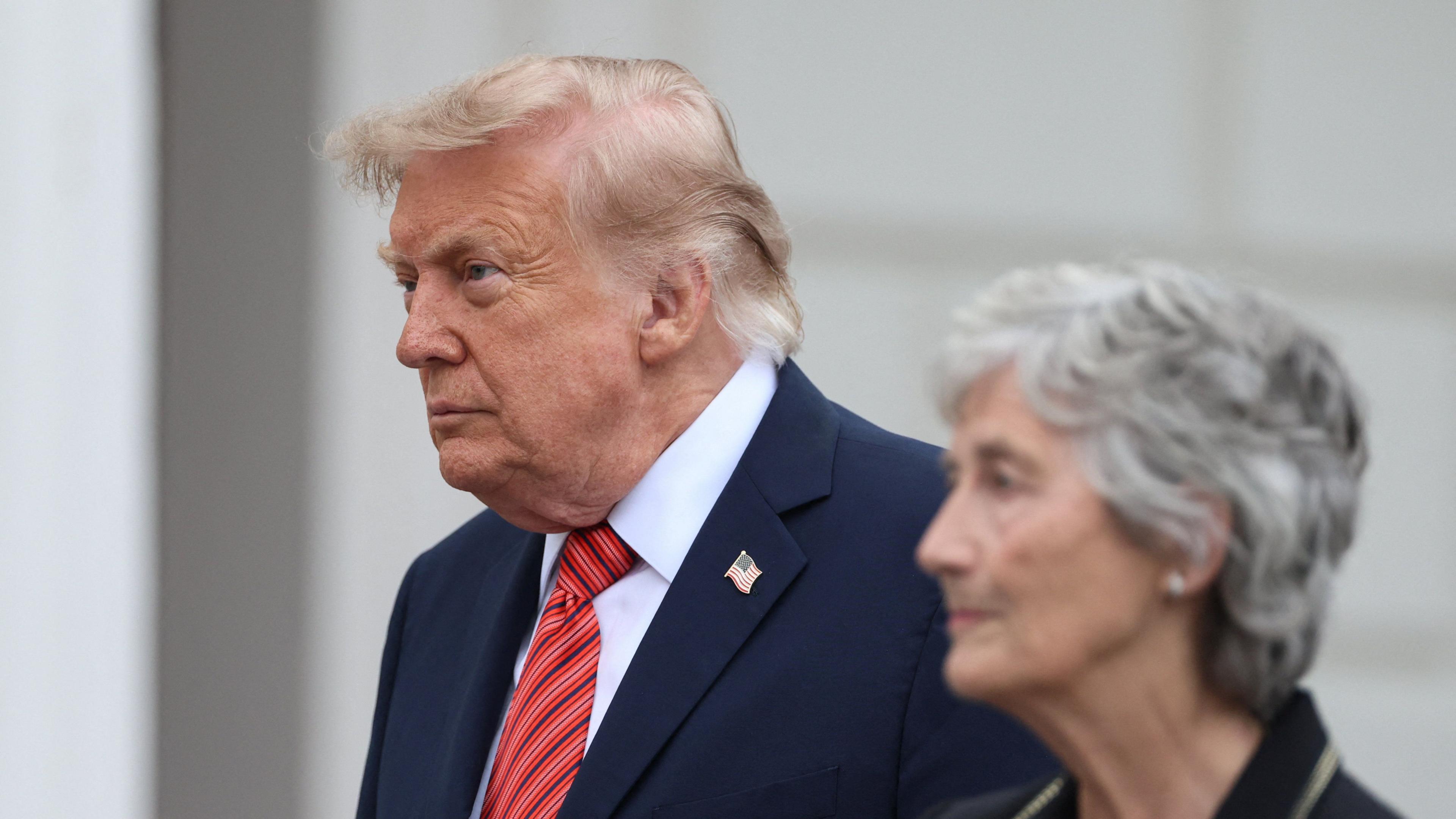
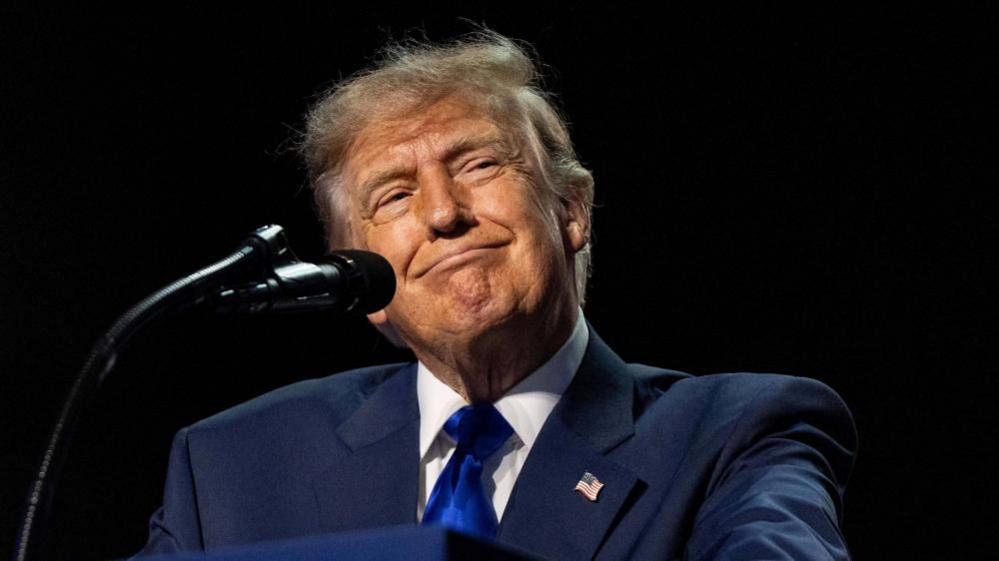
The cease‑fire, announced by former U.S. President Donald Trump, has not prevented escalation. Trump’s remarks in the past highlight concerns that any further flare-up could jeopardise broader diplomatic efforts to resolve the Israel–Iran standoff. Iran, meanwhile, insists that a comprehensive regional cease‑fire must include Lebanon.
The latest exchange of fire underscores the fragility of negotiations and the unpredictable nature of conflict dynamics in the Middle East. As diplomatic talks continue under U.S. facilitation, the international community watches closely for any signs of sustained peace or renewed violence.
Key Points:
- 9 civilians killed in last Israeli strike on Lebanon (2 paramedics, 4 Syrians, 2 Palestinians).
- Hezbollah fired rockets into northern Israel as retaliation.
- Partial cease‑fire in place: Israel to avoid broad attacks on Beirut in exchange for Hezbollah’s restraint.
- Conflict has caused 3,516 deaths in Lebanon and displacement of over 1 million residents.
- Diplomatic talks in Washington urging concrete action plan for security in Lebanon, independent of Hezbollah.
The situation remains tense, with both sides prepared to defend their positions. The international community continues to monitor developments closely, hoping for a durable resolution that protects civilians on both sides of the borders.