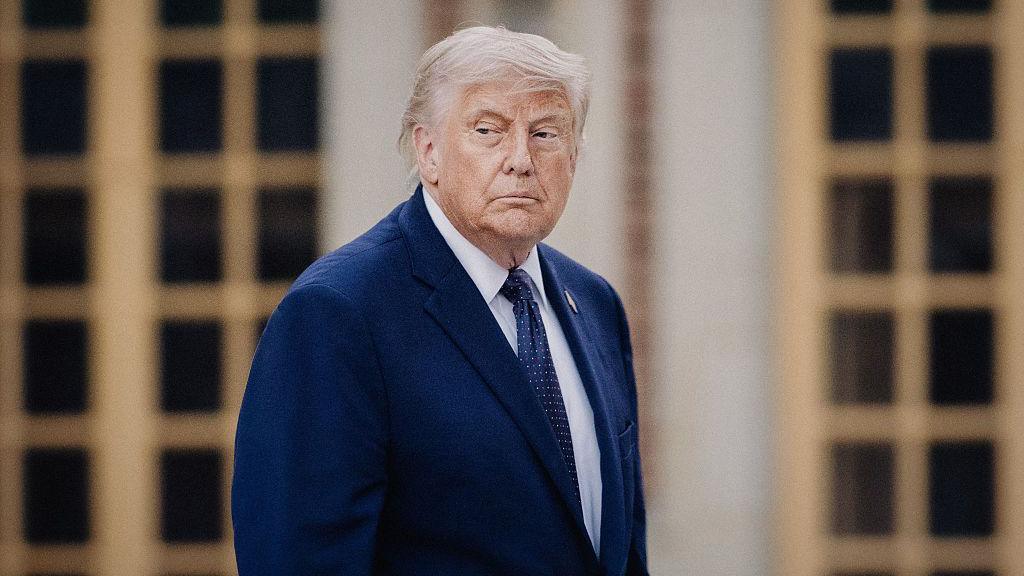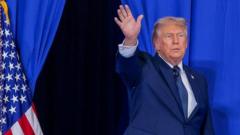
President Donald Trump’s latest social‑media post, published on Truth Social, stresses that while constructive talks continue with Iran, it would be ill‑advised for U.S. negotiators to seal an agreement prematurely. In a statement that came after reports of a potential memorandum of understanding “largely negotiated” between the two countries, the former president emphasized the need for patience and thoroughness.
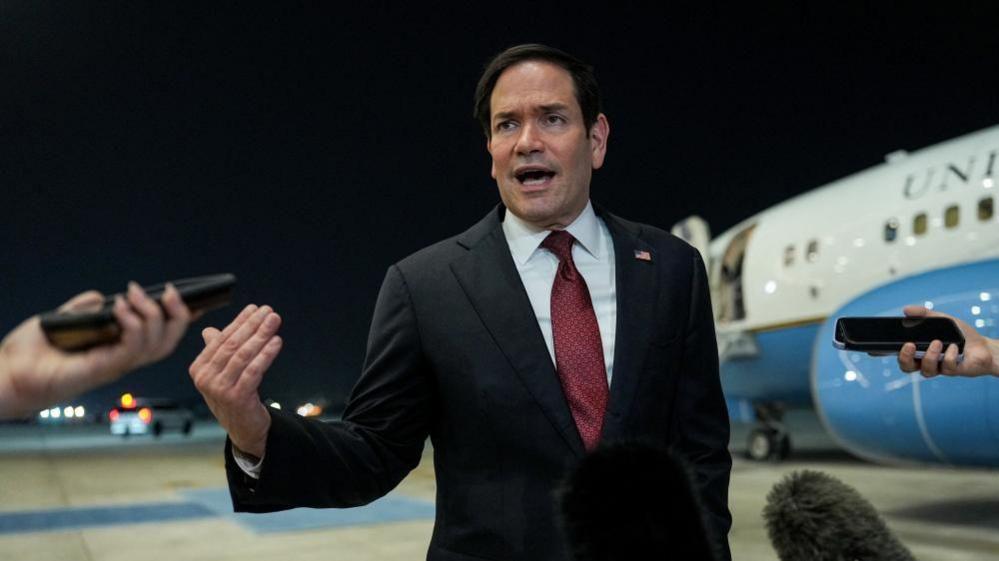
The administration’s warning comes at a time when U.S. officials hint at substantive gains, yet no final accord has been signed. U.S. Secretary of State Marco Rubio noted that “significant progress” has been made, though he acknowledged that further work is required. Likewise, Iranian diplomatic spokesperson Esmail Baghaei said progress on certain issues does not guarantee that all key points would be settled.
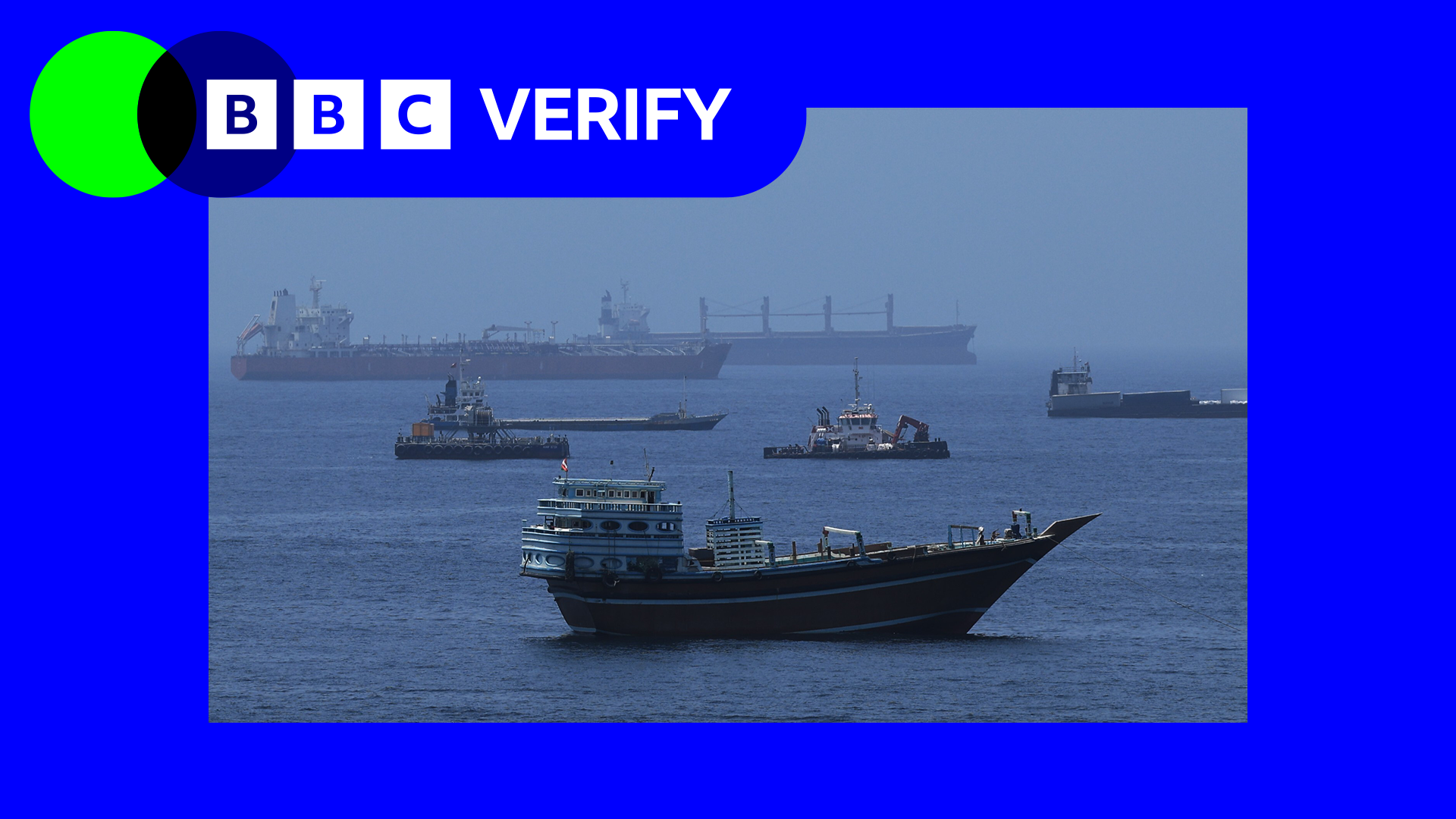
A core element under discussion is the potential reopening of the Strait of Hormuz, a critical maritime chokepoint through which roughly 20 percent of the world’s oil and liquefied natural gas pass. The U.S. blockade, which has been enforced to pressure Tehran, remains in force until a verified agreement is inked. In his post, Trump reiterated that Iran must “understand” it cannot develop a nuclear weapon – a stance echoed by Israel’s Benjamin Netanyahu.
The possible deal is believed to include a 60‑day ceasefire extension and a reopening of the strait, but Iranian media point to a handful of unresolved points. While Pakistan’s Deputy Prime Minister Ishaq Dar, a mediator in the talks, calls for optimism, U.S. outlets caution that the final agreement may not materialize before Sunday.
These diplomatic moves come against the backdrop of a tense regional security environment. Since late February, the U.S. and Israel have launched broad air strikes against Iran, triggering retaliatory missile attacks that targeted U.N.‑registered vessels and U.S. facilities in the Gulf. Although a ceasefire brokered in April has largely held, intermittent skirmishes persist. The outcome of the negotiations could significantly affect global oil markets, given the stratum’s strategic importance.
The Biden‑era administration’s approach had shifted the scope of discussions, but Trump’s recent remarks suggest the administration is wary of a rushed finality that might ignore nuanced policy and security considerations. Up until now, neither Washington nor Tehran have officially confirmed the terms of any potential deal, marking a critical juncture in U.S.–Iran relations.
This report is based on information from the BBC (“Trump tells US negotiators 'not to rush' into deal with Iran”), with additional context drawn from U.S. State Department briefings and Iranian diplomatic statements.
}
The administration’s warning comes at a time when U.S. officials hint at substantive gains, yet no final accord has been signed. U.S. Secretary of State Marco Rubio noted that “significant progress” has been made, though he acknowledged that further work is required. Likewise, Iranian diplomatic spokesperson Esmail Baghaei said progress on certain issues does not guarantee that all key points would be settled.
A core element under discussion is the potential reopening of the Strait of Hormuz, a critical maritime chokepoint through which roughly 20 percent of the world’s oil and liquefied natural gas pass. The U.S. blockade, which has been enforced to pressure Tehran, remains in force until a verified agreement is inked. In his post, Trump reiterated that Iran must “understand” it cannot develop a nuclear weapon – a stance echoed by Israel’s Benjamin Netanyahu.
The possible deal is believed to include a 60‑day ceasefire extension and a reopening of the strait, but Iranian media point to a handful of unresolved points. While Pakistan’s Deputy Prime Minister Ishaq Dar, a mediator in the talks, calls for optimism, U.S. outlets caution that the final agreement may not materialize before Sunday.
These diplomatic moves come against the backdrop of a tense regional security environment. Since late February, the U.S. and Israel have launched broad air strikes against Iran, triggering retaliatory missile attacks that targeted U.N.‑registered vessels and U.S. facilities in the Gulf. Although a ceasefire brokered in April has largely held, intermittent skirmishes persist. The outcome of the negotiations could significantly affect global oil markets, given the stratum’s strategic importance.
The Biden‑era administration’s approach had shifted the scope of discussions, but Trump’s recent remarks suggest the administration is wary of a rushed finality that might ignore nuanced policy and security considerations. Up until now, neither Washington nor Tehran have officially confirmed the terms of any potential deal, marking a critical juncture in U.S.–Iran relations.
This report is based on information from the BBC (“Trump tells US negotiators 'not to rush' into deal with Iran”), with additional context drawn from U.S. State Department briefings and Iranian diplomatic statements.
}