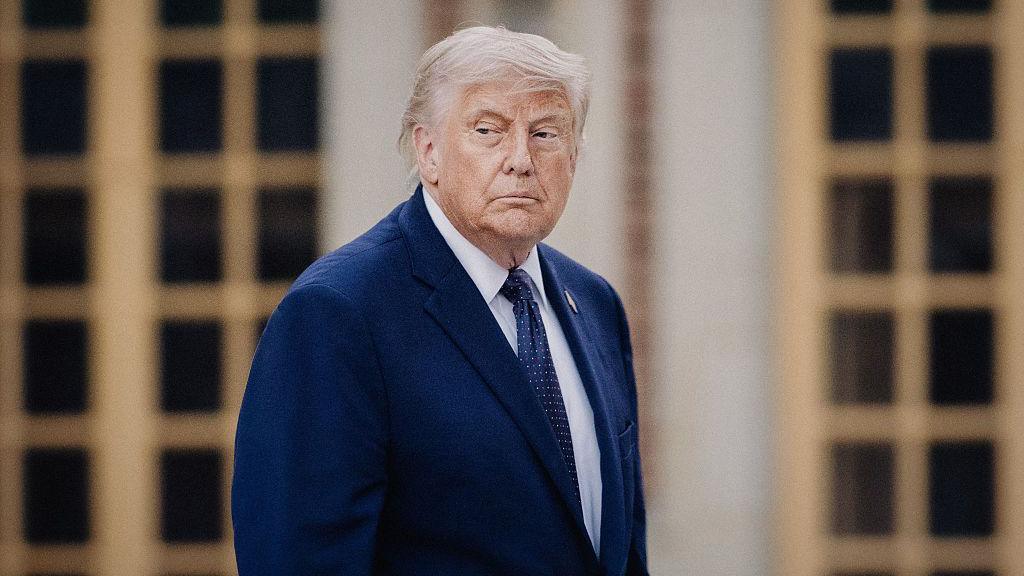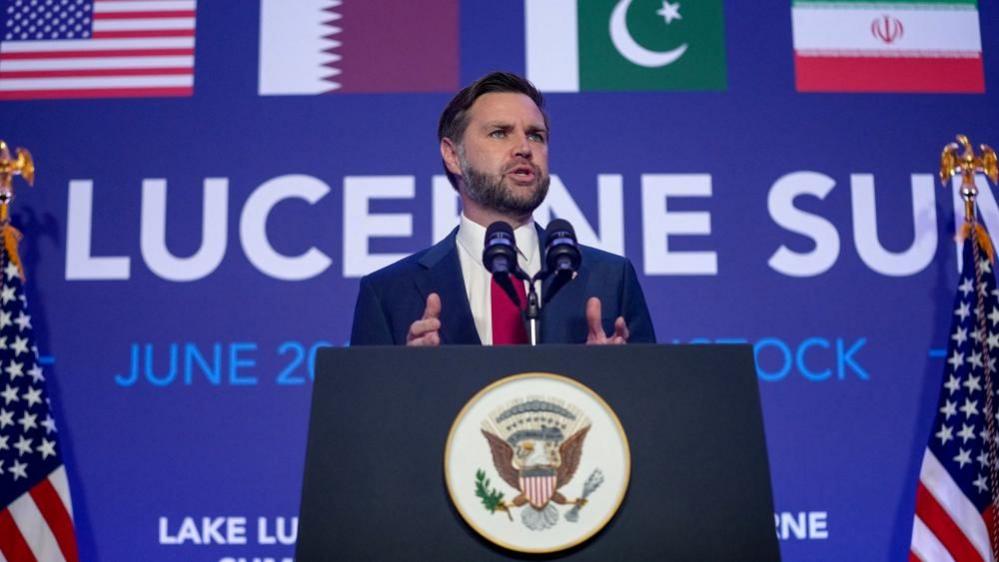
At a Tuesday cabinet session in Washington, President Donald Trump openly questioned the progress of talks with Iran. He said the United States is “not satisfied” with what the Iranian side has so far presented, emphasizing that Tehran’s official statements about reaching a deal are unsubstantiated.
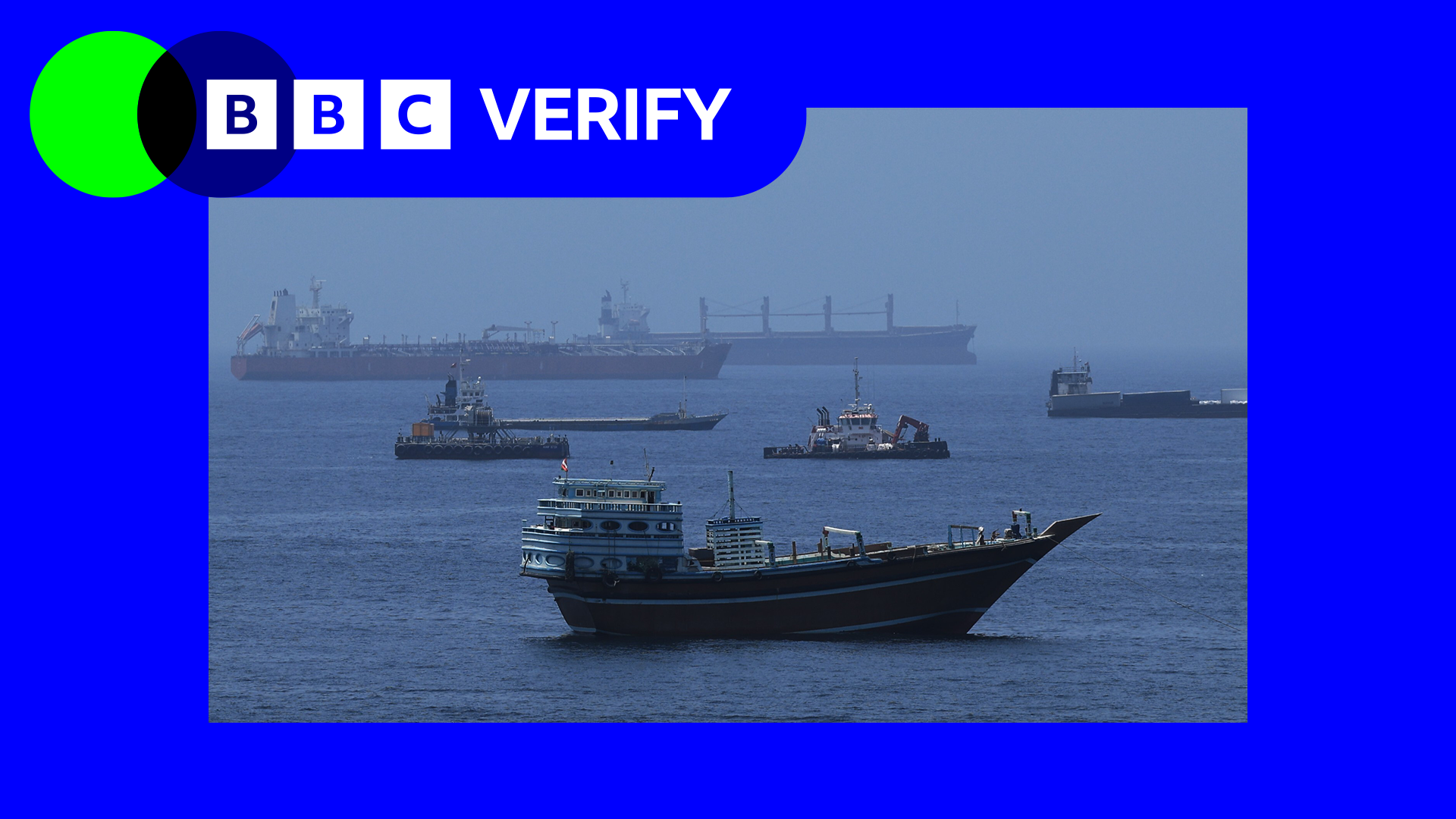
Trump’s remarks came after Iranian state television released a purported draft of a deal that would reopen the Strait of Hormuz and withdraw U.S. forces from the region. However, the White House dismissed the claims, labeling the text a “complete fabrication.”
The President stressed that, although Tehran is “very much intent” on concluding an agreement, the parties have not yet reached a concrete arrangement. He warned that Washington is prepared to resume strikes if the negotiations do not yield a satisfactory outcome.
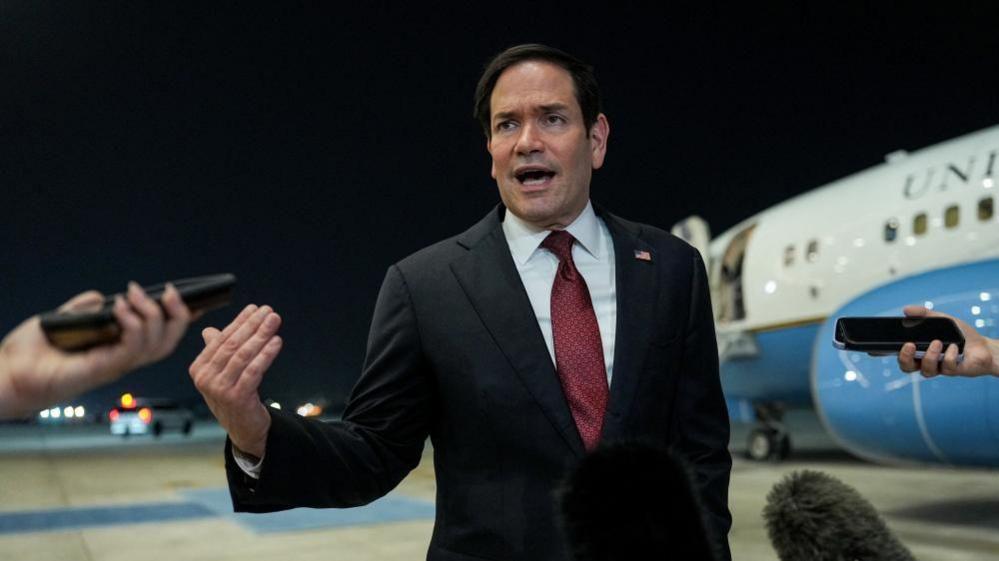
U.S. Secretary of State Marco Rubio echoed Trump’s cautious optimism, noting that some progress had been made but that the final terms were still uncertain. Neither official addressed the 14 points reported by Iranian outlets that, if accepted, would have surprised Washington’s rivals.
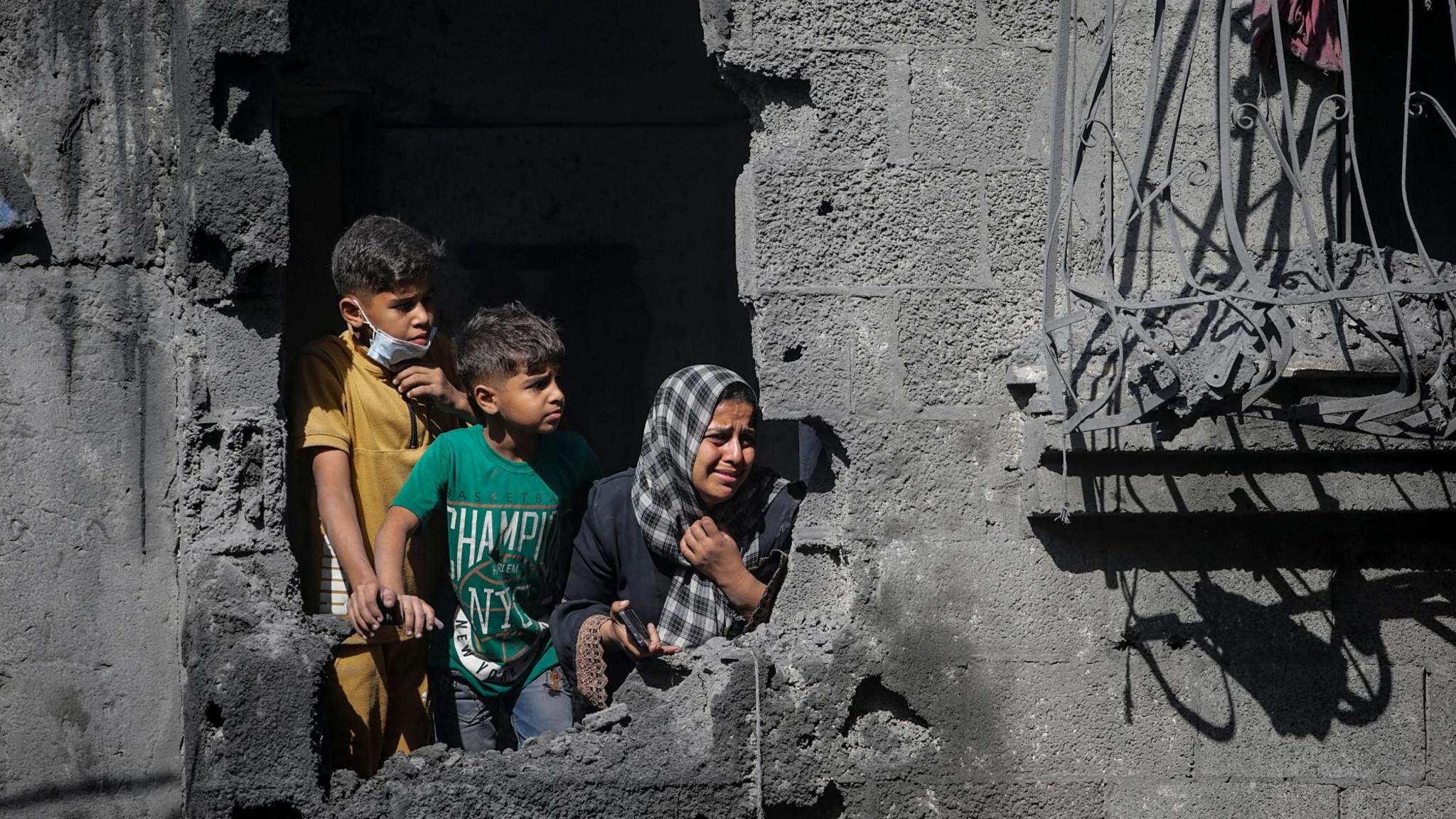
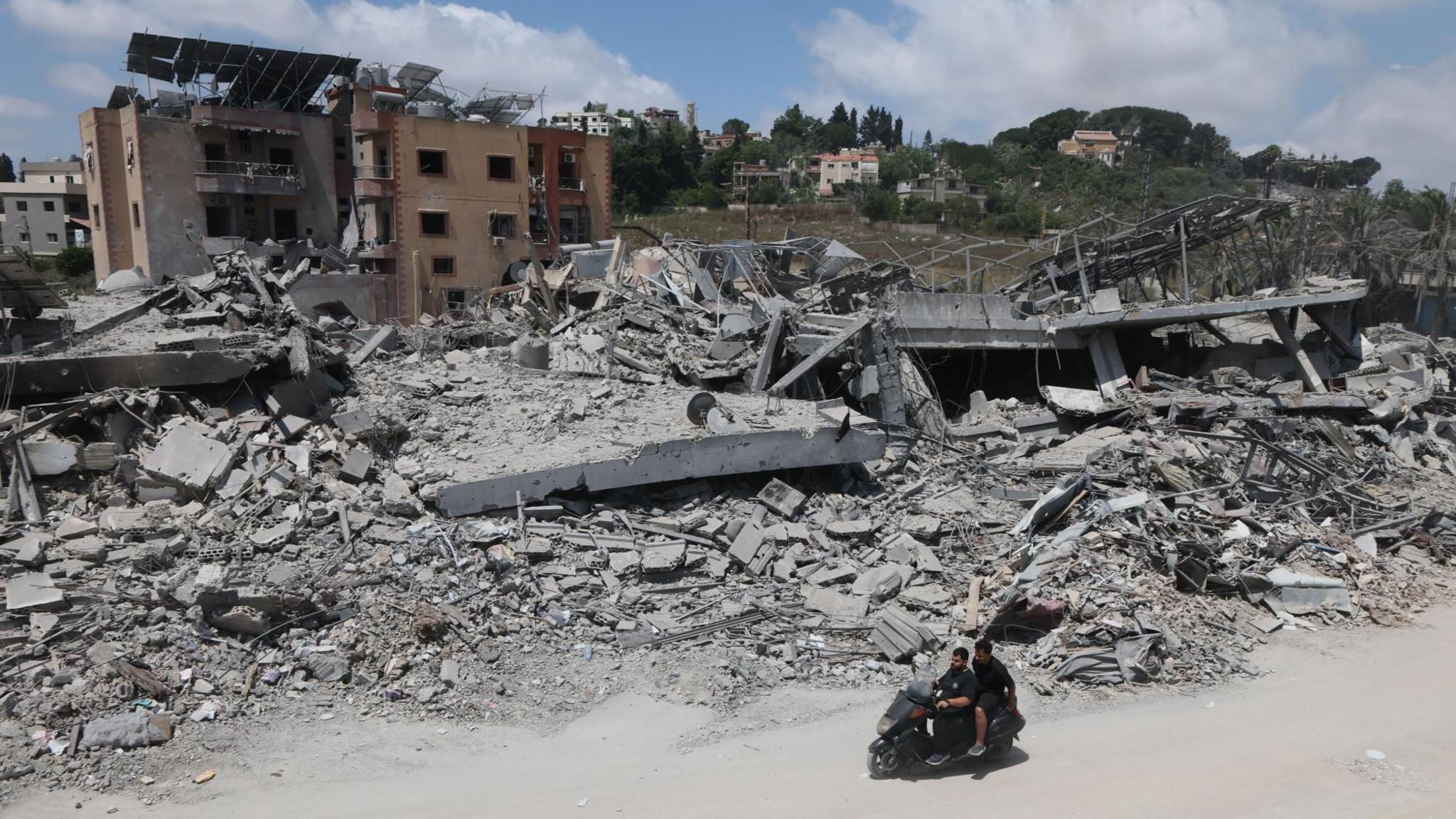
The tensions escalated earlier this year when the United States and Israel launched wide‑range missile strikes on Iranian sites in February. In retaliation, Iran threatened Israeli and U.S.–allied Gulf states, sealed off the Strait of Hormuz, and spiked global oil prices. A ceasefire announced on 8 April has been largely observed, yet talks to resolve the conflict have stalled in recent weeks.
Trump’s comments signal that the U.S. retainer is still open to forceful action, but also that diplomatic engagement remains a priority—albeit with a clear warning that the current state of negotiations does not meet Washington’s expectations.}
Trump’s remarks came after Iranian state television released a purported draft of a deal that would reopen the Strait of Hormuz and withdraw U.S. forces from the region. However, the White House dismissed the claims, labeling the text a “complete fabrication.”
The President stressed that, although Tehran is “very much intent” on concluding an agreement, the parties have not yet reached a concrete arrangement. He warned that Washington is prepared to resume strikes if the negotiations do not yield a satisfactory outcome.
U.S. Secretary of State Marco Rubio echoed Trump’s cautious optimism, noting that some progress had been made but that the final terms were still uncertain. Neither official addressed the 14 points reported by Iranian outlets that, if accepted, would have surprised Washington’s rivals.
The tensions escalated earlier this year when the United States and Israel launched wide‑range missile strikes on Iranian sites in February. In retaliation, Iran threatened Israeli and U.S.–allied Gulf states, sealed off the Strait of Hormuz, and spiked global oil prices. A ceasefire announced on 8 April has been largely observed, yet talks to resolve the conflict have stalled in recent weeks.
Trump’s comments signal that the U.S. retainer is still open to forceful action, but also that diplomatic engagement remains a priority—albeit with a clear warning that the current state of negotiations does not meet Washington’s expectations.}