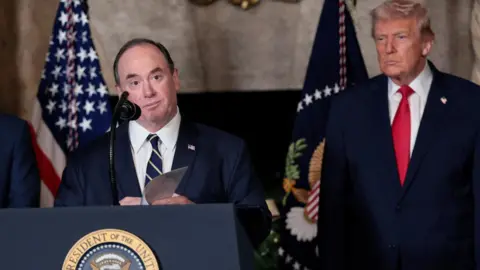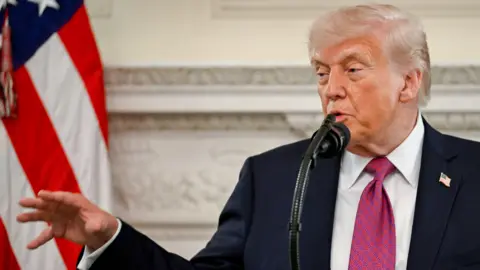
After a diplomatic team led by US Vice-President JD Vance attempted unsuccessfully to negotiate peace with Iran, President Trump announced a drastic next step on social media. He declared that the US would impose a naval blockade of Iran, stating, No one who pays an illegal toll will have safe passage on the high seas. Trump also mentioned ongoing efforts to clear mines from the Strait of Hormuz to maintain safe passage for allied shipping, and indicated that the military was locked and loaded to respond to any threats.
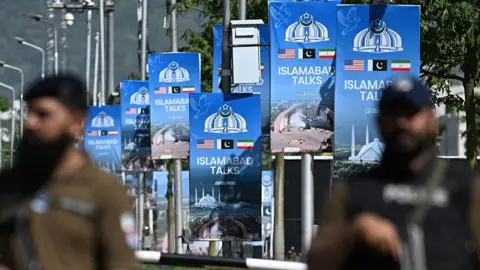
The statements follow a 20-hour round of negotiations in Pakistan, where the US purportedly sought to convince Iran to abandon its nuclear ambitions. However, a US official later indicated that the discussions had uncovered deeper disagreements regarding Iran’s influence in the region and its involvement with proxy groups such as Hezbollah and the Houthis in Yemen.
Trump's remarks come with added risk as they did not carry the same severity as previous aggressive postures he has taken against Iran, suggesting a more calculated approach. Still, numerous questions remain about the implications of such a blockade. For example, will the US confront foreign-flagged vessels that disregard the blockade? And how will this policy affect relations with countries dependent on Iranian oil, notably China?
Challenges abound as the US military Central Command announced that the blockade would halt all ships traveling to and from Iranian ports, deviating from Trump’s original statements. Various political figures, including Senator Mark Warner, expressed doubt about the blockade's effectiveness in encouraging Iran to comply with US demands.
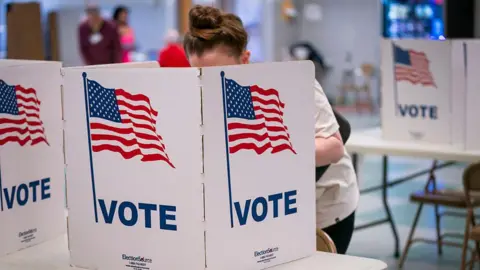
The Trump administration's firm posture comes at a time when public opinion appears critical, with a CBS poll indicating that a significant number of Americans believe the war is not going well for the US. With ongoing instability in the region, the situation remains precarious, with Trump gambling that Iran will ultimately concede to US demands, despite rising oil prices and domestic frustrations among American voters.
As the conflict continues, the uncertainty surrounding the blockade and its broader effects could have lasting ramifications not only for US-Iran relations but also for the global economic landscape.