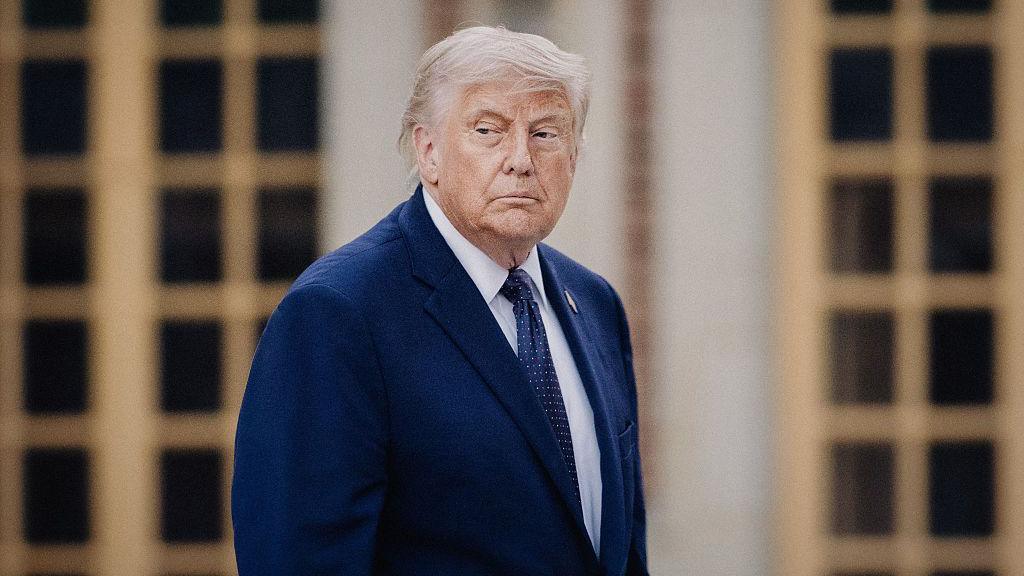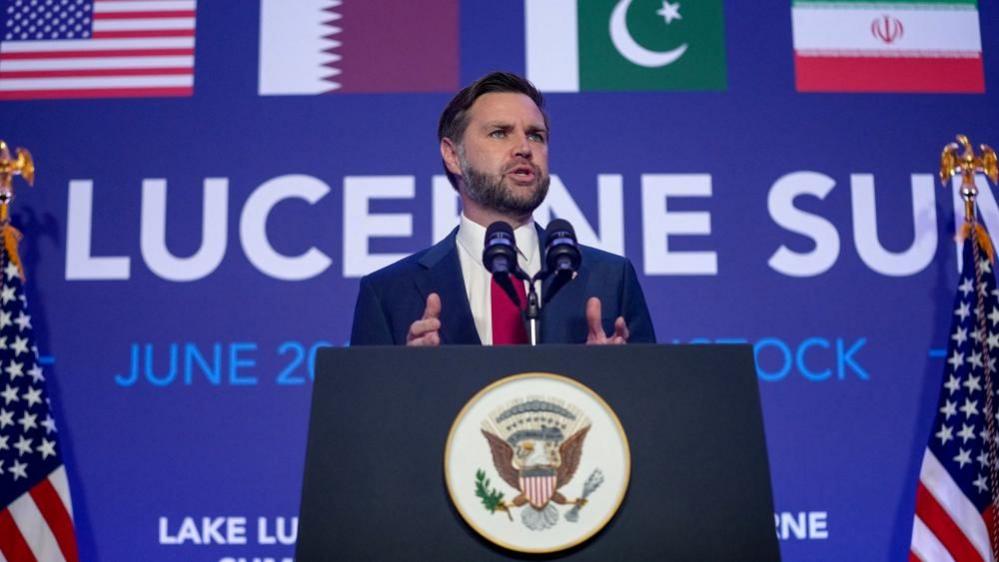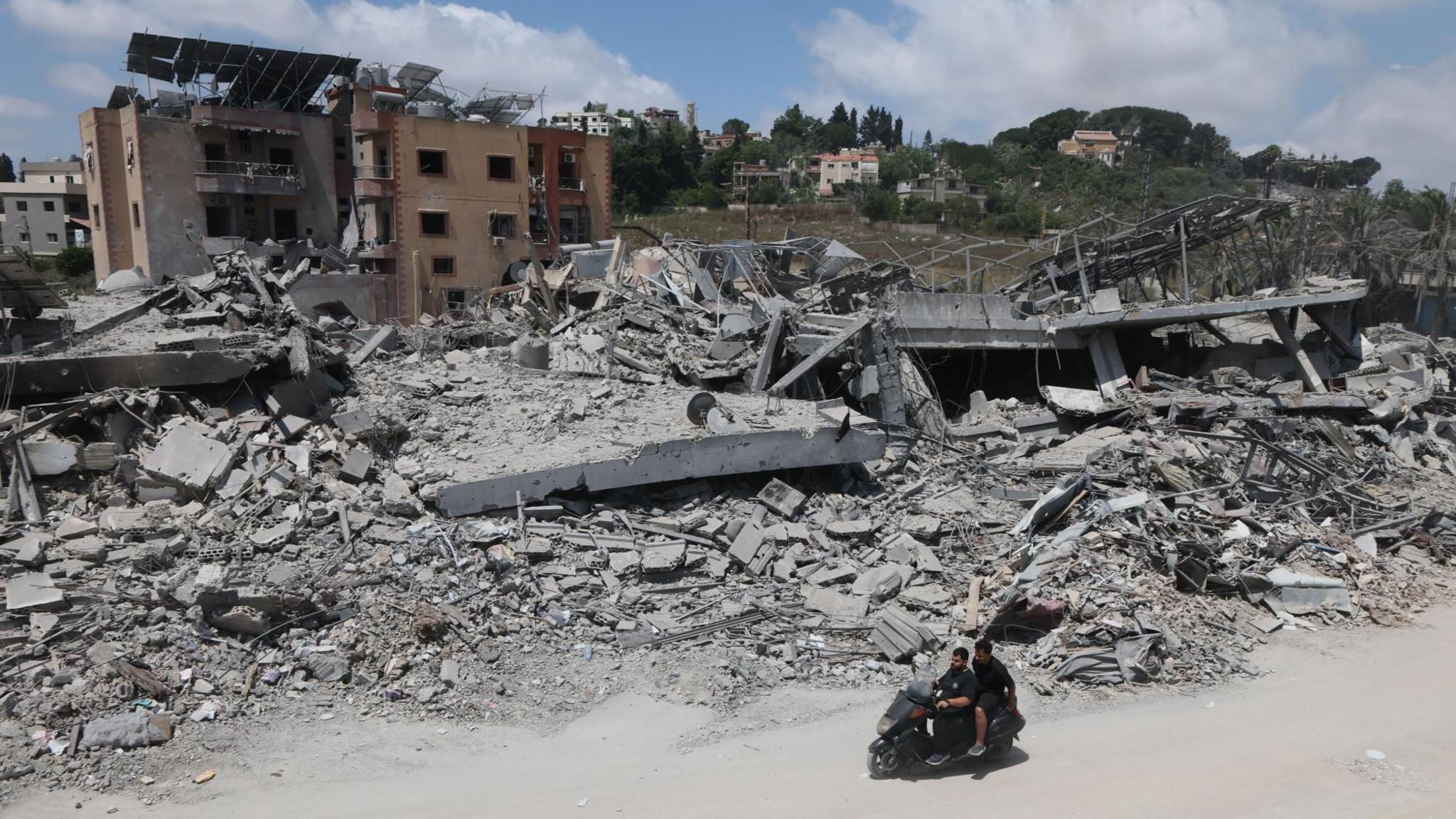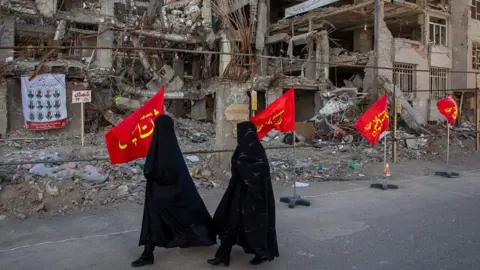
President Donald Trump has set deadlines, made demands, and issued threats over the course of the five-week joint US-Israeli war against Iran; however, seldom have they been explicit. The new round of strikes against Iran will be devastating, with plans to begin at 20:00, Washington DC time (01:00 GMT) on Tuesday. Within hours, every bridge and power plant in Iran would be 'decimated.'
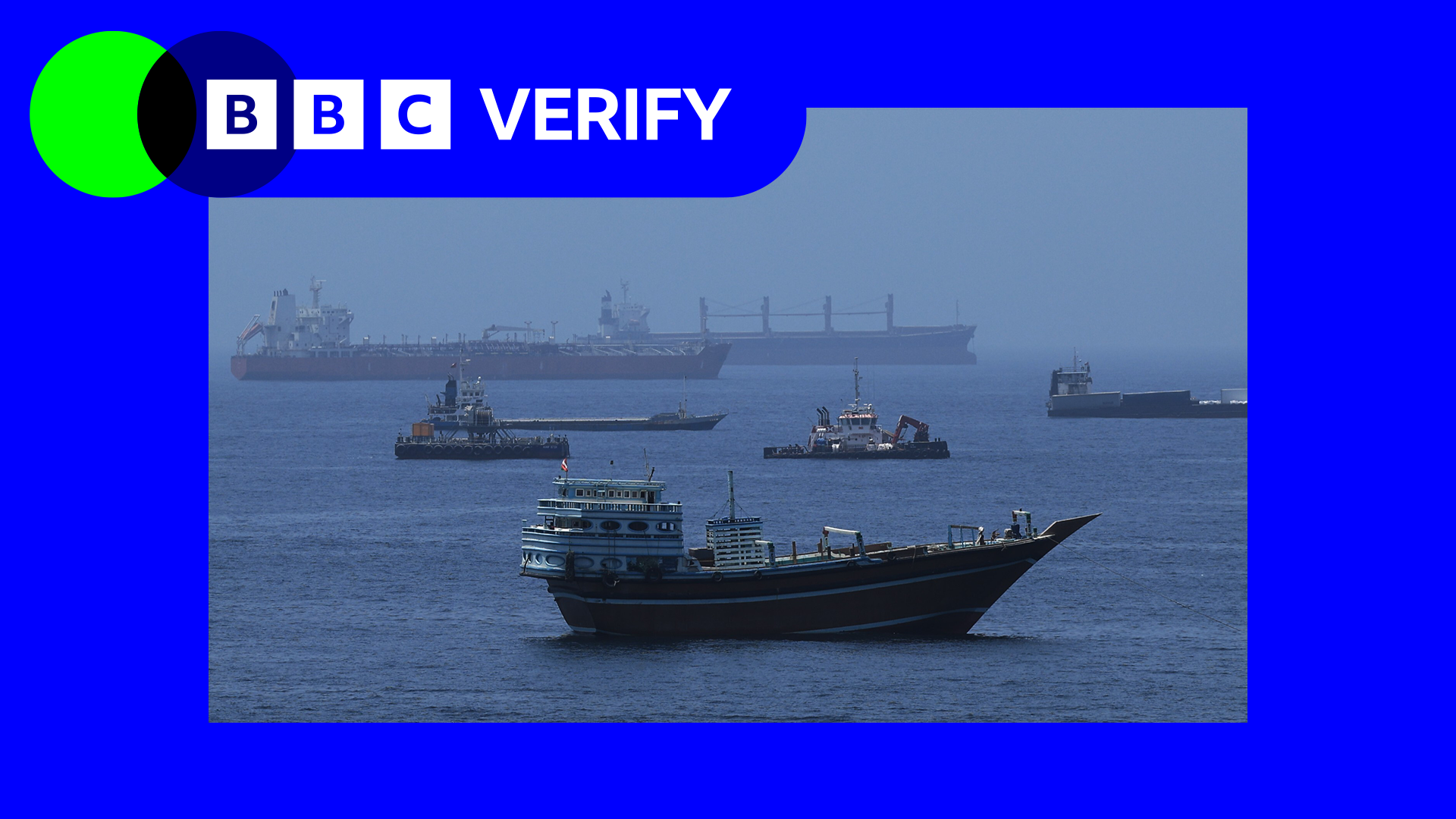
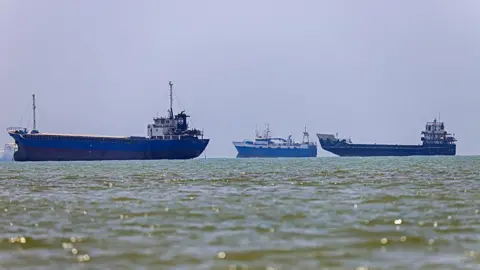
Trump emphasized that 'very little is off-limits,' and Iran must agree to a deal 'that's acceptable to me,' particularly focusing on ensuring 'free traffic of oil' through the strategic Strait of Hormuz.
As the final hours tick down, there has been little indication that Iran is ready to meet Trump’s demands. They have rejected a temporary ceasefire and countered with their own list of demands, described by a US official as 'maximalist.' This situation places Trump in a delicate position; failure to secure an agreement may see him extending his deadline for the fourth time in three weeks.
Yet, backing away from such pronounced threats could jeopardize his credibility as the conflict continues. Trump's position is further complicated by the contrasting perceptions of America's military capabilities, which, despite recent operations, may not be viewed as negotiating from a position of strength. He remarked, 'We can bomb the hell out of them… but to close the Strait, all you need is one terrorist.'
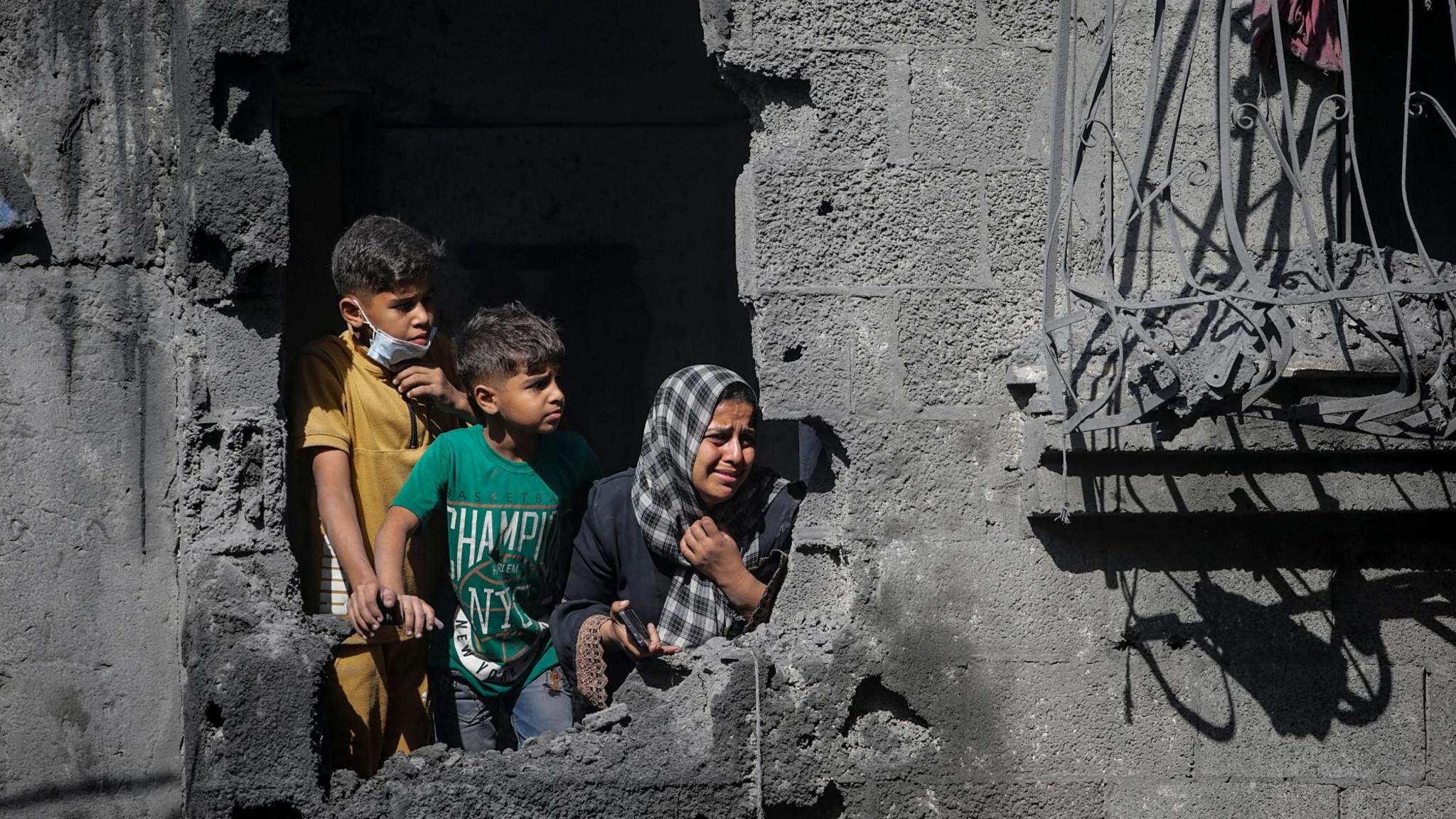
Even as Trump asserts America's military dominance and warns against a humanitarian crisis that results from extensive strikes, he acknowledges the longer-term implications: any damage would demand rebuilding efforts that the US may ultimately support.
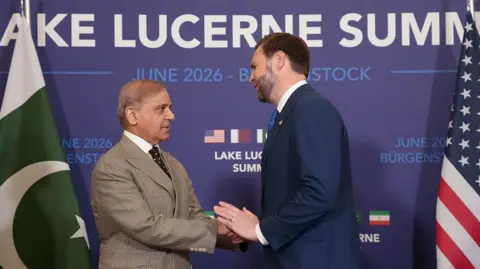
While Trump holds out hope for a breakthrough, claiming there are 'active, willing participants' on the other side, the situation remains fraught with potential conflict, raising questions about both nations' next moves. 'They have until tomorrow. We’ll see what happens,' he concluded.