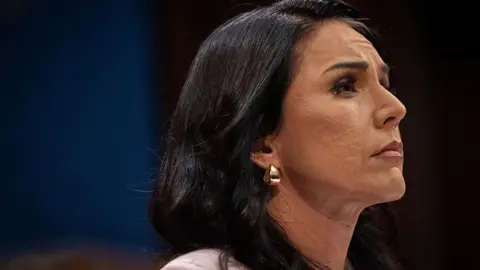
In a decision that has sent shockwaves through the intelligence community, Tulsi Gabbard announced her resignation as Director of National Intelligence, effective June 30, citing her husband Abraham's recent bone cancer diagnosis. In a heartfelt letter to President Donald Trump, she wrote: 'His strength and love have sustained me through every challenge. I cannot in good conscience ask him to face this fight alone while I continue in this demanding and time-consuming position.'
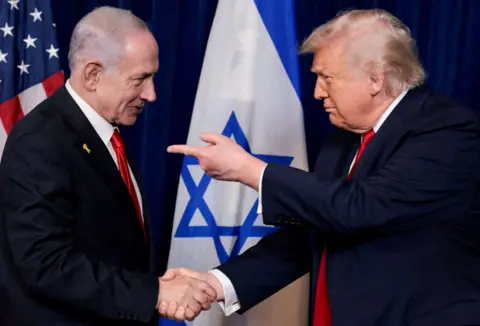
Trump responded on social media, stating Gabbard 'has done an incredible job, and we will miss her,' while confirming Aaron Lukas, the Principal Deputy Director, would assume the acting role. The resignation marks the fourth Cabinet-level departure from the Trump administration this year, following the exits of Labor Secretary Lori Chavez-DeRemer, Homeland Security Secretary Kristi Noem, and Attorney General Pam Bondi.
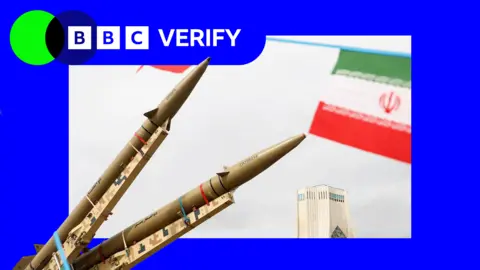
Gabbard's decision comes amid heightened tensions over Iran, where she had positioned herself as an anti-interventionist despite the White House's military strikes. During congressional hearings in March, she avoided directly endorsing the US-Israel operations and declined to comment on intelligence community warnings about potential fallout—a stance critics said weakened her credibility. President Trump had previously dismissed her claims that Iran wasn't pursuing nuclear weapons, declaring, 'I don't care what she said. I think they were very close to having a weapon.'
The political fractures deepened when her top aide, Joe Kent, resigned in February over Iran policy, urging the president to 'reverse course.' Gabbard later publicly backed Trump's decision, asserting the president retained sole authority over 'imminent threats.' But her resignation now reflects the strain of balancing personal obligations with national security demands.
Gabbard's career path reveals stark political evolution. A military veteran who served with an Iraq medical unit, she was first elected to Hawaii's Legislature at 21—a record she still holds. She became the first Hindu to serve in Congress in 2013, though her 2020 presidential bid failed. After leaving the Democratic Party in 2022, she joined the Republican Party and endorsed Trump in 2024. Under her leadership, the intelligence community underwent major restructuring, with her proposing nearly 50% staff cuts to address what she called 'bloated and inefficient' operations.
Her departure symbolizes broader instability in the administration. With multiple high-profile departures, including the resignation of a top intelligence official over Iran policy, the intelligence community faces leadership vacuum as Gabbard transitions out. As the acting director takes the helm, observers note this signals ongoing tensions between operational demands and the personal toll of serving in the White House.
This moment captures the human reality behind the headlines: a policy maker forced to choose between her duty to national security and her duty to her family—a choice that highlights the profound personal sacrifices required in government service.}
Trump responded on social media, stating Gabbard 'has done an incredible job, and we will miss her,' while confirming Aaron Lukas, the Principal Deputy Director, would assume the acting role. The resignation marks the fourth Cabinet-level departure from the Trump administration this year, following the exits of Labor Secretary Lori Chavez-DeRemer, Homeland Security Secretary Kristi Noem, and Attorney General Pam Bondi.
Gabbard's decision comes amid heightened tensions over Iran, where she had positioned herself as an anti-interventionist despite the White House's military strikes. During congressional hearings in March, she avoided directly endorsing the US-Israel operations and declined to comment on intelligence community warnings about potential fallout—a stance critics said weakened her credibility. President Trump had previously dismissed her claims that Iran wasn't pursuing nuclear weapons, declaring, 'I don't care what she said. I think they were very close to having a weapon.'
The political fractures deepened when her top aide, Joe Kent, resigned in February over Iran policy, urging the president to 'reverse course.' Gabbard later publicly backed Trump's decision, asserting the president retained sole authority over 'imminent threats.' But her resignation now reflects the strain of balancing personal obligations with national security demands.
Gabbard's career path reveals stark political evolution. A military veteran who served with an Iraq medical unit, she was first elected to Hawaii's Legislature at 21—a record she still holds. She became the first Hindu to serve in Congress in 2013, though her 2020 presidential bid failed. After leaving the Democratic Party in 2022, she joined the Republican Party and endorsed Trump in 2024. Under her leadership, the intelligence community underwent major restructuring, with her proposing nearly 50% staff cuts to address what she called 'bloated and inefficient' operations.
Her departure symbolizes broader instability in the administration. With multiple high-profile departures, including the resignation of a top intelligence official over Iran policy, the intelligence community faces leadership vacuum as Gabbard transitions out. As the acting director takes the helm, observers note this signals ongoing tensions between operational demands and the personal toll of serving in the White House.
This moment captures the human reality behind the headlines: a policy maker forced to choose between her duty to national security and her duty to her family—a choice that highlights the profound personal sacrifices required in government service.}