US and Lebanon Shield Syrian Chemical Weapons Expert Despite International Warrants
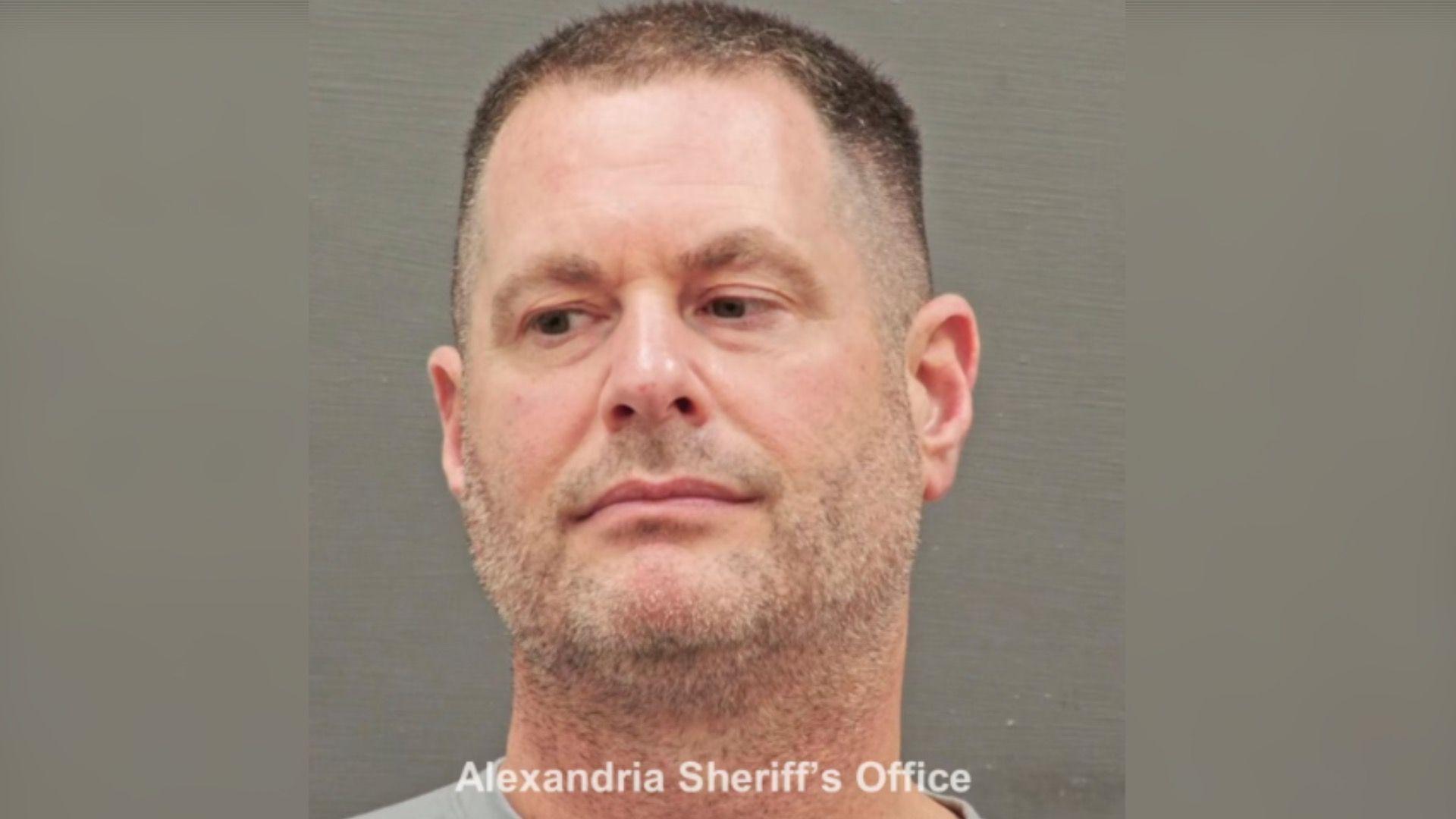
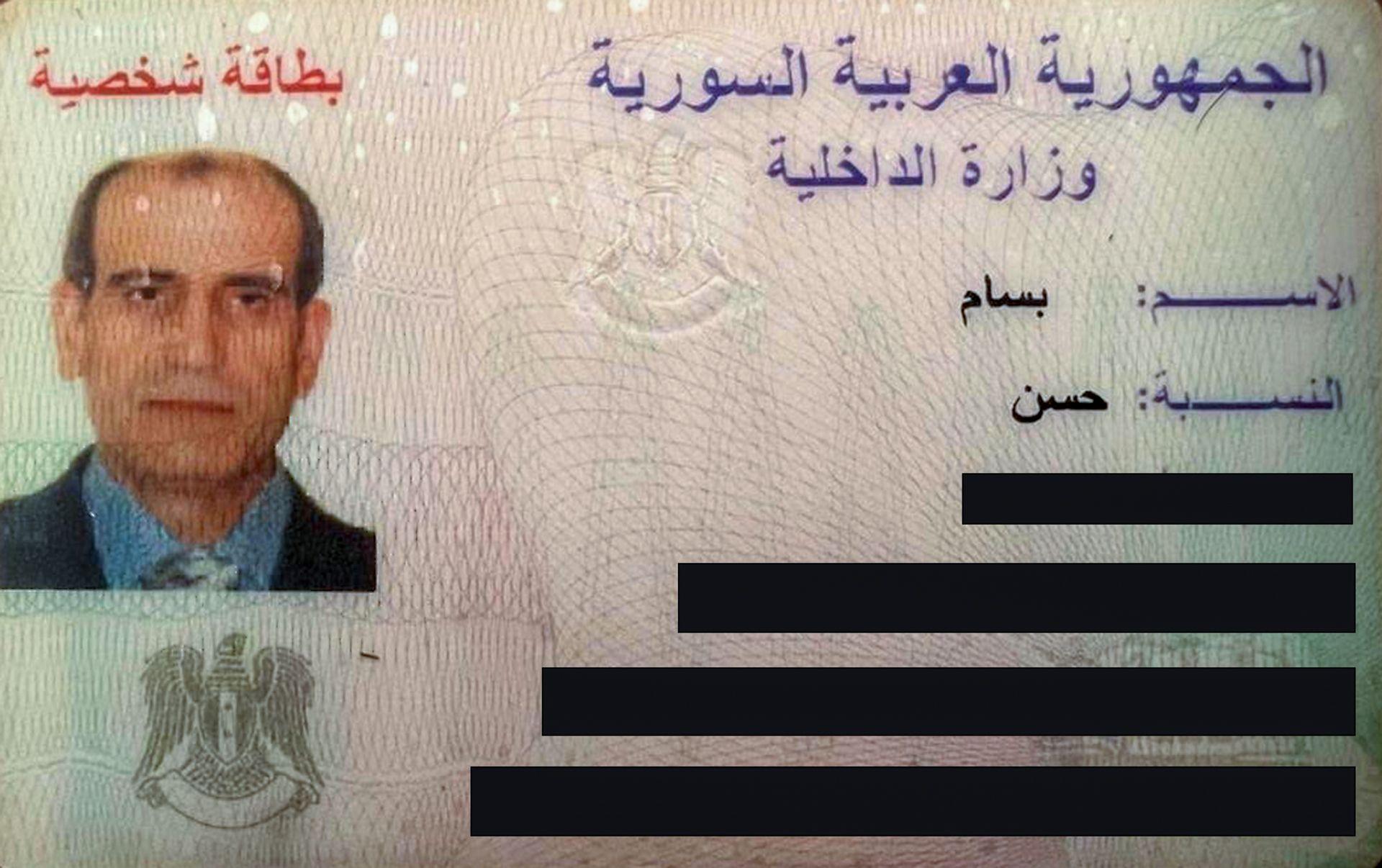
A BBC and NPR investigation has found that Bassam al‑Hassan, the former senior officer who oversaw Syria’s chemical weapons programme, is being concealed in Lebanon under a deal that involves U.S. intelligence agencies. The United States and Lebanese authorities are allegedly protecting him while he is wanted for crimes against humanity.
Al‑Hassan, who once advised President Bashar al‑Assad, fled the country after the regime collapsed in late 2024. According to the report, the United States, through the FBI and CIA, is facilitating his “residency” in Lebanon in return for intelligence on the 2012 kidnapping of U.S. journalist Austin Tice.
The arrangement was reportedly finalised in spring 2025, after negotiating with Lebanese security forces and a Syrian businessman with ties to former regime officials. The deal was framed as a means to get actionable information on Tice’s disappearance, which the U.S. officials say is central to a broader investigation into Syrian war crimes.
While Damascus has publicly called for al‑Hassan’s extradition to face trial, U.S. officials say that keeping him in Lebanon is essential for ongoing intelligence collection on Syria’s military linkages with Iran and the chemical weapons cluster. The U.S. says it is still trying to recover Tice, who was moved to a “planned operation” that led to al‑Hassan’s involvement.
The Tice family spokesperson, Phil Elwood, condemned the arrangement as “offensive” and accused the U.S. of weaponising the victim’s case to safeguard a former war criminal. He urged Syrian citizens to demand justice and called the deal a crime of aiding and abetting murder.
The investigation also uncovered that other former Assad‑era officials, including Mohammed Makhlouf and Sakr Rustom, are believed to be living in Lebanon or the UAE under similar protection arrangements. They allegedly received payments from the U.S. in exchange for cooperation on the Tice case.
Legal scholars argue that the U.S. arrangement risks undermining international efforts to prosecute those responsible for chemical weapons usage in Syria. The case exemplifies the challenges faced by the international community in balancing strategic intelligence gains with the pursuit of accountability for human rights violations.

Source: BBC News, NPR