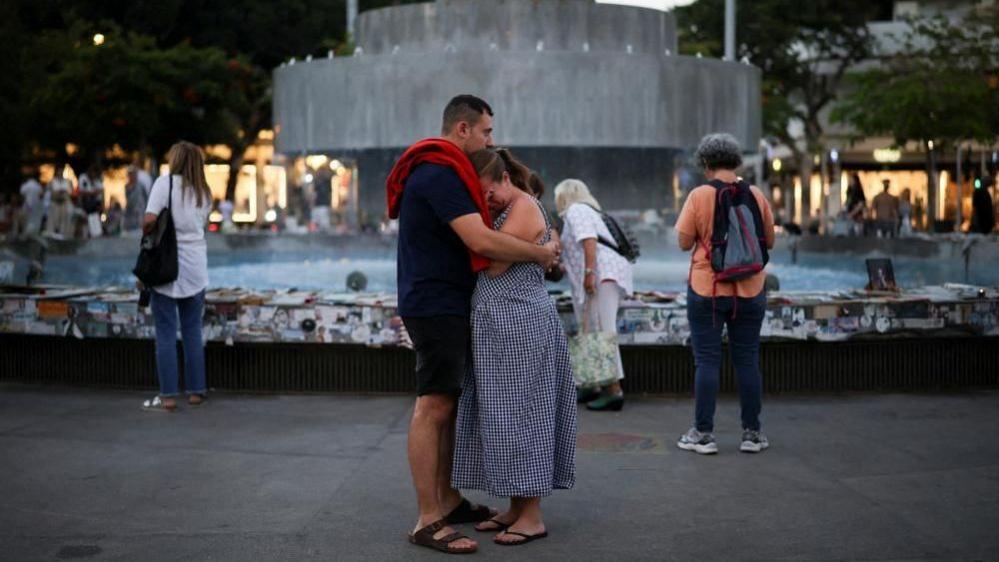
The sky over Israel’s border with Gaza rose to a muted dawn on 7 October 2026, as residents of the kibbutz Kfar Aza silently approached the central armoury where the community’s civilian defences would be housed. A few hours earlier, the place had been the scene of a devastating raid in which 64 members of the kibbutz were killed and 19 taken hostage, and the small 14‑person civil defence squad had been completely wiped out.
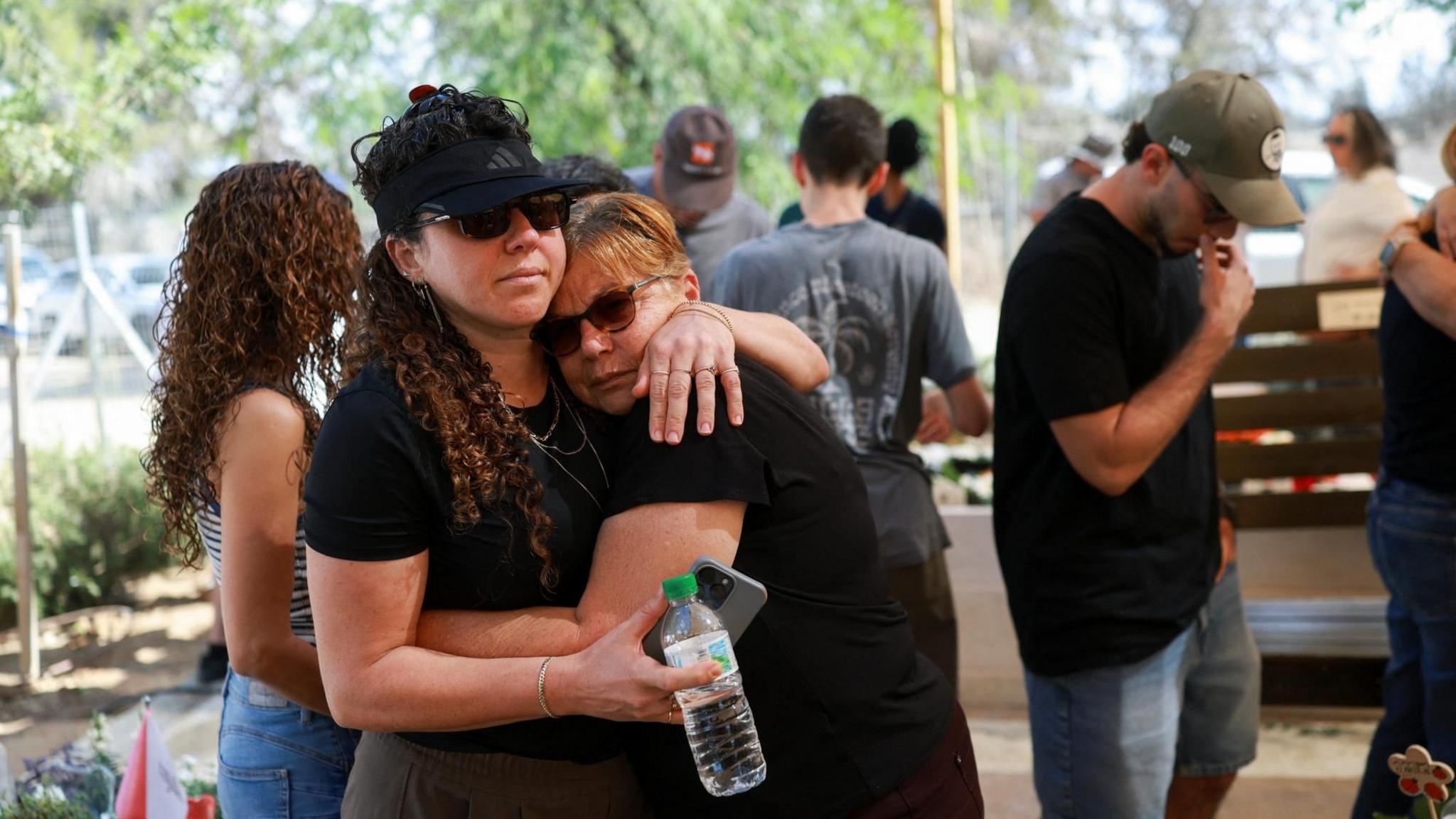
Three years later, the grief remains raw. Inbar Goldstein, whose brother and niece were murdered and whose family was among the hostages, voices the growing sense that Israel’s leadership ignored warnings in the lead‑up to the attack and that Prime Minister Benjamin Netanyahu must answer for the failure that cost so many lives.
While Hamas bears responsibility for the armed assault, the real debate centers on how the state’s intelligence, security chiefs and political leaders handled the flight‑path of precision warnings. Reports have emerged that the prime minister was alerted by officials from Egypt and the United Arab Emirates ten days before the attack, though his office has blasted the story as a total fabrication and threatened legal action against the publishers.
In recent months, senior officers have openly criticised the decision to keep the prime minister asleep when potentially dangerous intelligence was flagged. One former commander recalled that his superiors had specifically instructed him not to wake Netanyahu, fearing mass mobilisation of the Israel Defence Forces would provoke a larger conflict.
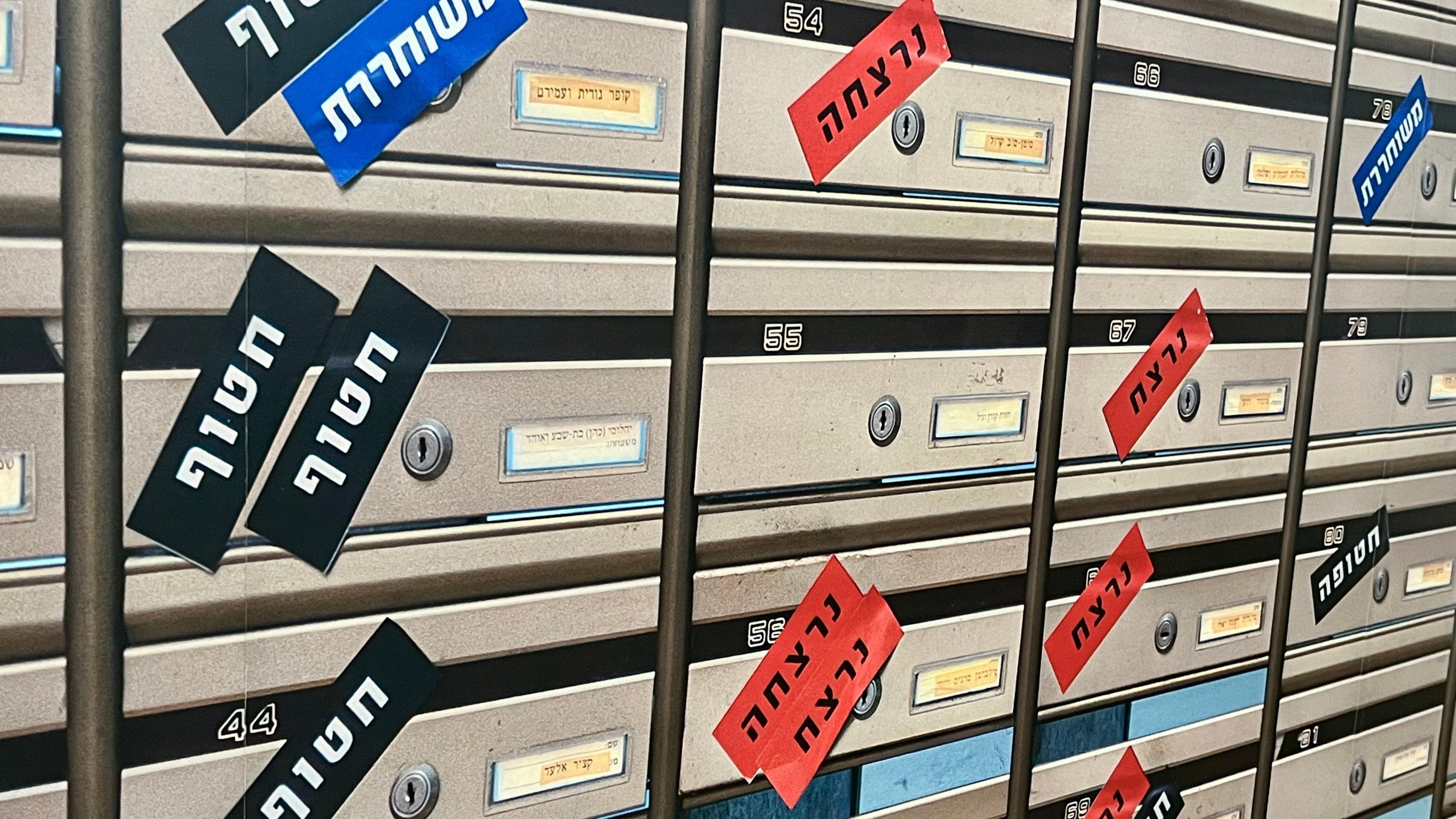
The failure to protect civilians has prompted widespread civil unrest. In Jerusalem, a grieving father challenged Netanyahu at a memorial ceremony, calling for a public apology. In Tel Aviv, demonstrators carried banners demanding a state commission of inquiry and painted slogans across the city, while a political satire video called “Sleepy Bibi” mocked the prime minister’s deflected responsibility.
Opposition politicians have pressed the Supreme Court to force a national inquiry. Yizhar Shai, former minister and father of a soldier killed in 7 October, said that the elections are being fought on ground that the prime minister refuses to explain in detail. Netanyahu’s government has offered a “national commission” whose members would be chosen by political parties, but the proposal has yet to be vetted by parliament.
As Netanyahu campaigns to return to office on a platform of security, the shadow of the 7 October attacks continues to divide public opinion, with supporters debating whether his record of military successes outweighs the failure that claimed thousands of lives. The petition for a comprehensive inquiry, however, has grown louder as the anniversary approaches, demanding a transparent reckoning with the past and a safer future for all citizens.