Fear on the Rails: How Drones are Disrupting Ukraine’s Iron Arteries
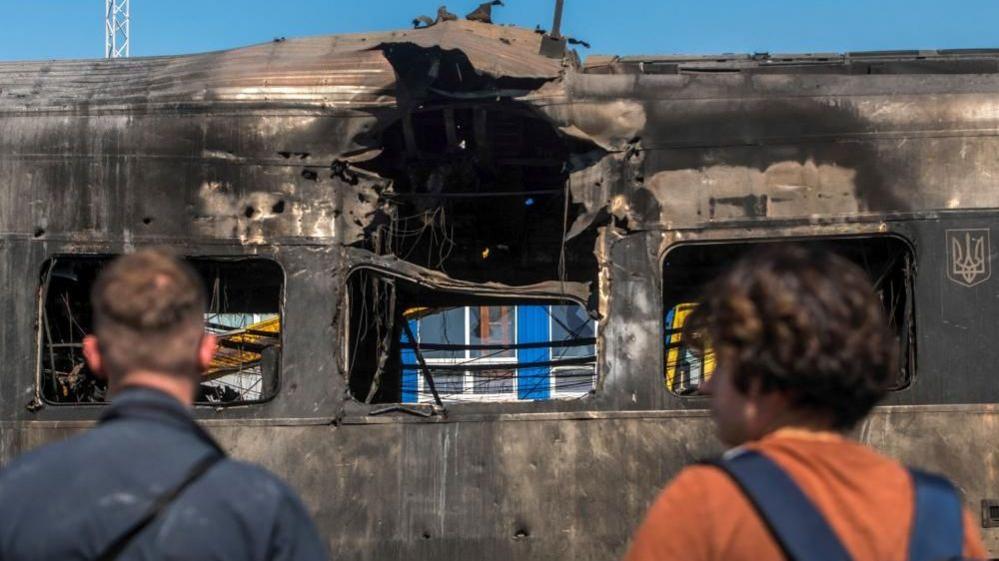
Since the full‑scale invasion in 2022, Ukraine’s railway network has been pivotal for moving essentials and civilians alike. The recent surge in drone attacks has thrown this lifeline into peril, cutting thousands of miles of track and leaving passengers stranded.
27‑year‑old Yuliia Ponomarenko, a marketing specialist from Kharkiv, shared her harrowing stop just shy of the Ukraine‑Poland border: border guards shouted “Run! Get out of the carriages! There’s shelling!” after a drone slammed a locomotive, forcing a six‑hour detour for her and other travellers. She was “really lucky” the delay didn’t hit her train directly.
Anastasiia Ryvbalchenko, a 17‑year‑old student, recounts a night‑time evacuation from an Odesa–Kirovohrad route. A drone exploded near the tracks, sending “an extremely loud explosion” that sent passengers scrambling into the woods. “I’m not going to travel by train ever again,” she says.
Ukrzaliznytsia reports that 5,831 trains were evacuated in September alone—about 205 per day on average. The operator’s statistics show 521 locomotives hit since the start of the war, with 60% of those strikes occurring this year. Overall, attacks on railway facilities have jumped from 1,206 in 2025 to 1,700 this year.
CEO Oleksandr Pertsovskyi admits the challenge: “We used to boast better punctuality even in war. Now, preventing our crews and passengers from being in danger tops our priorities.” Warsaw‑based drones, sometimes equipped with AI image recognition, are described as a “cat‑and‑mouse” threat, prompting Ukraine’s plans to electronic jamming and updated evacuation protocols.
In the “Iron Command Centre”, railway staff monitor drones on a massive screen. A colored icon indicates a drone’s 100‑km danger zone; any train inside is evacuated immediately and cannot reboard until the drone passes and the danger zone clears. This real‑time vigilance has kept casualties low—only eight employees have died in 2026, six of them in a missile strike on a Kyiv depot.
With winter approaching, the company is already preparing mobile shelters, evacuation packs, and bus services for passengers in frequent evacuation zones. “We may reinvent the railway,” Pertsovskyi says, “but we’ll keep connecting the country, no matter what—winter, summer, or war.”
These stories echo across the network: an everyday citizen’s life, once routine, now a gamble with the skies, underscoring the civilian toll of Russia’s relentless drone campaign.