Current Ebola Outbreak in DR Congo: Challenges and Overview
The Democratic Republic of Congo is currently grappling with a significant outbreak of Ebola, which the World Health Organization (WHO) has designated as a public health emergency. This outbreak is particularly concerning due to the presence of the rare Bundibugyo strain, for which no vaccine exists, alongside the challenges posed by ongoing conflict in the region.
Ebola is a severe and often fatal virus transmitted through bodily fluids, with symptoms initially resembling those of the flu, such as fever and fatigue. Once the disease progresses, it can lead to severe vomiting, diarrhea, organ failure, and bleeding. The virus usually originates from animal hosts, primarily fruit bats.
Why This Outbreak is Unusual
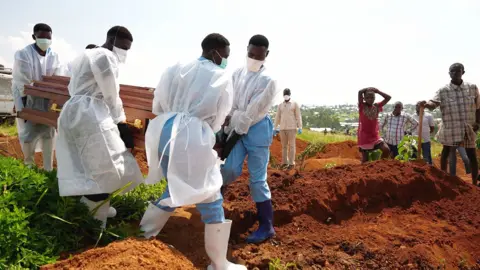
Unlike previous outbreaks, this one is caused by the Bundibugyo species of Ebola that has not been seen for over a decade. The virus can spread rapidly, especially following funerals and gatherings where traditional practices expose relatives to the deceased’s potentially contaminated bodily fluids. The initial cases were undetected for weeks, complicating the response.
Treatment and Vaccination Challenges
As of now, there is no approved vaccine or targeted medication for the Bundibugyo strain, making prevention and treatment exceedingly difficult. Experimental vaccines are in development, but the absence of effective treatment options raises the stakes for affected communities.
Government and Community Response
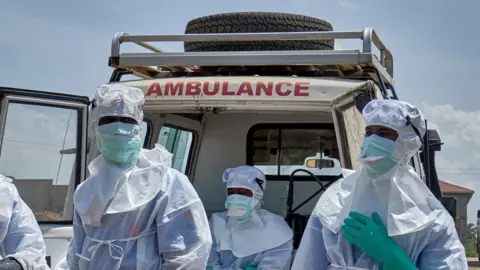
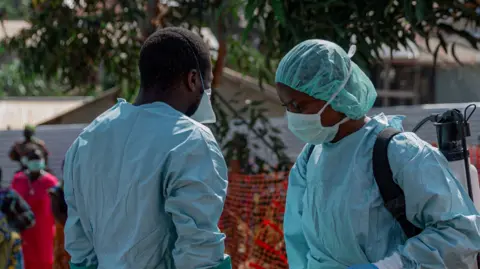
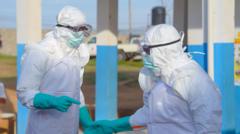
Health teams have been deployed with protective gear, and organizations like Médecins Sans Frontières (MSF) and the WHO are establishing treatment centers and public health campaigns. The Congolese government urges citizens to adhere to safety measures, including social distancing and effective symptom reporting.
Additional strains on the containment efforts include the fact that the outbreak is unfolding in a conflict zone, with many individuals displaced and crossing porous borders to neighboring countries.
Cross-border Concerns and International Response
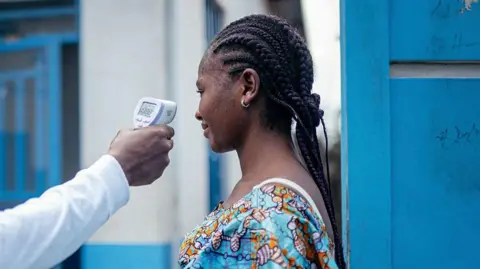
Concerns about the virus spreading to neighboring countries such as Uganda and Rwanda have led to the implementation of heightened screening protocols at borders. Regional cooperation among health authorities is crucial in curbing the outbreak and preventing further transmission.
In summary, while the WHO's declaration highlights the severity of the outbreak, the international risk remains low outside of East Africa. However, active monitoring and rapid response efforts are imperative to contain this public health crisis.