Abiy Ahmed wins Ethiopia’s parliamentary majority
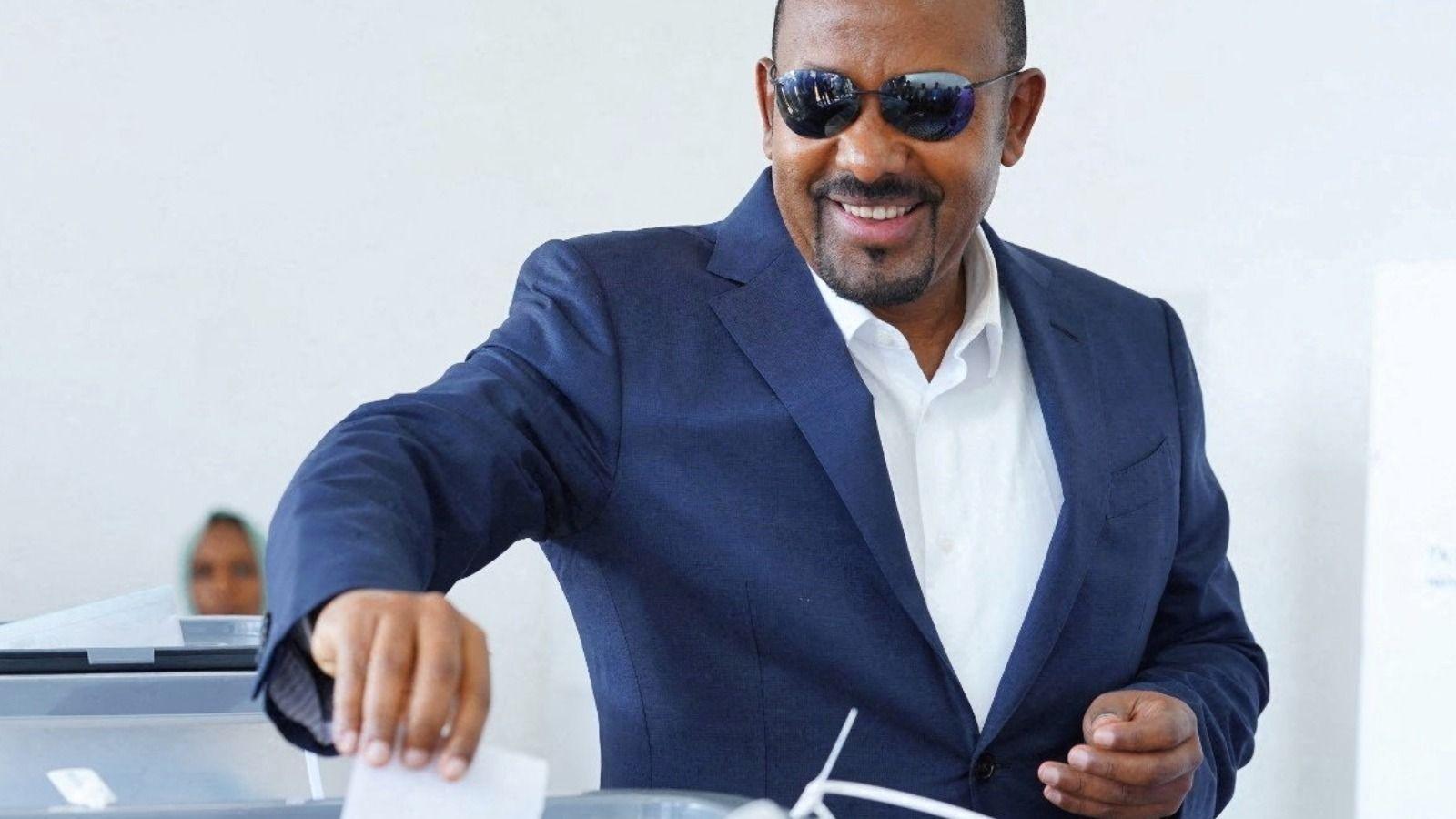
Ethiopian Prime Minister Abiy Ahmed’s Prosperity Party secured 438 out of 501 seats following the country’s June 1 general election, according to the government’s post‑election announcement. The result confirms his party’s overwhelming majority in parliament and lets him be sworn in for a second term next month.
Abiy, who was named Nobel Peace Prize laureate in 2019 for brokering an end to the war with neighboring Eritrea, vowed to continue his economic reforms. The announcement heralds a victory for supporters who see him as a catalyst for Ethiopia’s growth. Yet the political climate is fragile and the country is riddled with unresolved conflicts that the election could inflame.
Security concerns cast a shadow on the vote
On election day, officials reported that 143 polling stations in the two most populous regions—Amhara and Oromia—were shut down owing to armed threat of violence. The military presence of the Fano militia in Amhara and the banned Oromo Liberation Army in Oromia, both of whom engage in armed struggle for greater autonomy, rejected the election and its legitimacy.
The Tigray region, still recovering from a devastating civil war that ended in 2022, was entirely excluded from voting. The mayoralty and the local authorities in Mekelle announced a return to pre‑war governance, while the Ethiopian government did not permit any polling in the province due to fears of renewed fighting.
A tense history of conflict
The war between the Ethiopian government and the Tigrayan Liberation Front (TPLF) claimed an estimated 600,000 lives and left parts of Tigray on the verge of famine. The peace deal signed in November 2022 was meant to end hostilities, but both sides now accuse each other of violating the agreement. The split over fiscal autonomy and security arrangements remains a core point of contention.
Eritrea, which gained independence in 1993, continues to accuse Ethiopia of bid to regain access to a Red Sea port, enhancing its already tense relationship with Addis Ababa. Eritrea’s decision to ally with Tigrayan leaders further complicates regional allegiances potentially leading to a broader conflict.
International scrutiny and warnings
The European Union has called for an immediate de‑escalation in the north of Ethiopia. Meanwhile, the United States announced visa sanctions targeting “hard‑line members” of the TPLF tied to undermining the peace process. These moves illustrate international concern about a possible re‑armament scenario.
Voices from the field
Reports from other parts of Tigray highlight local apprehensions: youths are allegedly being coerced into joining armed groups, and communities are wary of the TPLF’s increasing militarisation. Some residents claim that local officials either deny forced recruitment or attempt to prime fighters under the pretext of defence training.
Analysts forecast that the balance of power might soon determine Ethiopia’s near‑future political landscape. While under tenets of fair democratic process may have unfolded, the lingering hazards of militarisation and the autonomy demands of several regions signify a volatile status quo that could erupt into open conflict.
The road ahead
The result of Ethiopia’s general election may secure Prime Minister Abiy’s political grip and sustain the country’s economic momentum, yet it is also a warning sign of persistent instability. Without careful collective action and the walled‑in support of the international coalition, the nation may still mismanage its aspirations for democracy and progress while the shadow of war overhangs its future.