Unveiling China's Espionage Tactics: Secret Police Stations in the US
The glass-paned office building perched above a ramen store in the heart of Manhattan's Chinatown might have seemed innocuous amid the bustling streets lined with Chinese restaurants and shops. However, this was the setting for significant espionage activity.
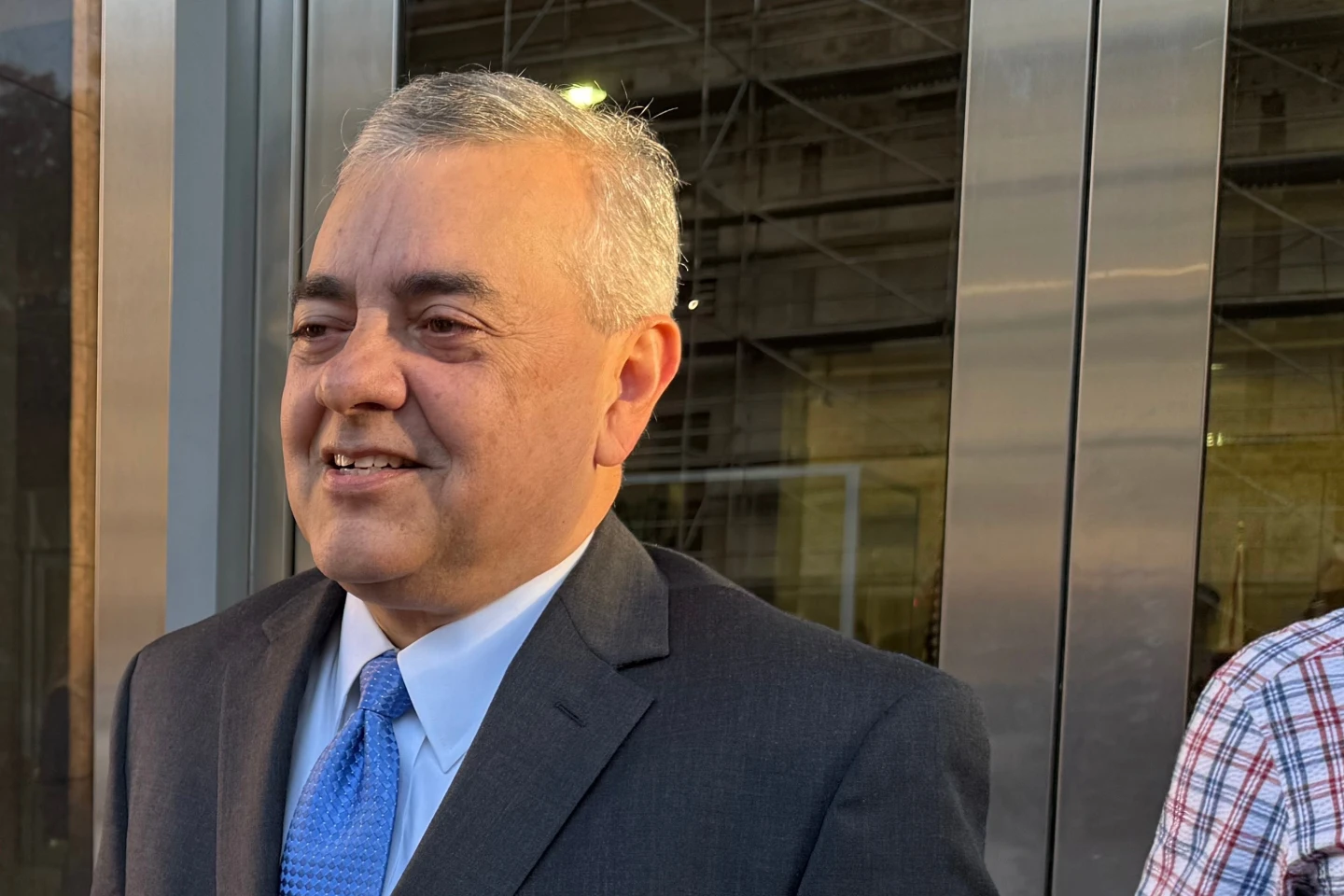
In 2022, Lu Jianwang, the 64-year-old president of a Chinese community group, established an office there. His attorneys argued that his intentions were benign, aimed at helping fellow expatriates renew their driver’s licenses and partake in recreational activities like ping pong.
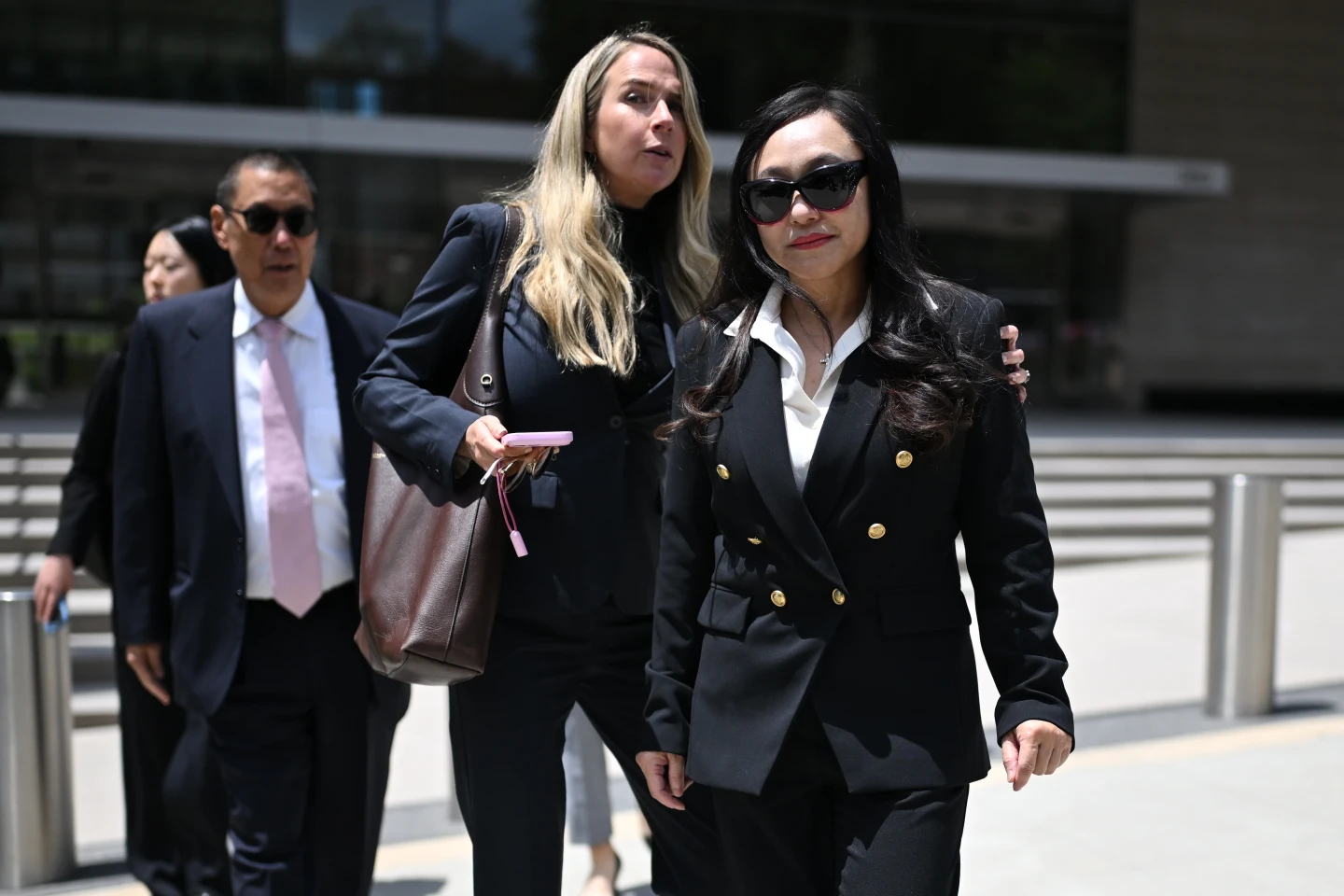
Yet, events took a dramatic turn when the Federal Bureau of Investigation (FBI) raided the premises, accusing Lu of operating the first known overseas police station of the Chinese government on US soil. Last week, he was found guilty of acting as an unauthorized foreign agent for China, a development coinciding with the guilty plea of a California politician on similar charges.
The case is emblematic of the broader issue of Chinese influence and espionage activities abroad, particularly at the expense of national security. Experts indicate that this pattern reflects the long arm of the People’s Republic of China (PRC), which has significantly intensified its global operations aimed at shaping narratives and suppressing dissent.
Moreover, Arcadia Mayor Eileen Wang admitted to publishing pro-China propaganda on behalf of the Chinese government, underlining a troubling trend of local leaders being ensnared in foreign influence campaigns.
This week saw Lu's conviction alongside historical shifts in US-China relations, with President Donald Trump and Chinese President Xi Jinping meeting and deliberately avoiding discussions of espionage.
According to experts, China's activities extend beyond the establishment of illegal police stations; they highlight a strategic approach to counter dissent globally and advance an agenda beneficial to the PRC, viewing criticism as a threat to national stability.
Lu's attorney argued his client was merely engaging in community support and facilitating societal interactions, yet prosecutors asserted that the operation served a more sinister purpose: gathering intelligence against Chinese dissidents and critics.
The implications of these developments are vast. China's international influence operations have allegedly proliferated with secret police stations reported in at least 53 countries worldwide. These stations, often defended as community centers, have come under scrutiny as they harbor darker intents linked to espionage.
Experts emphasize that the time has come for vigilant scrutiny regarding China's activities within the US. The existence of such entities poses a serious future threat, as they allow foreign governments to operate unchecked within US borders.
As discussions regarding these issues evolve in Congress and beyond, it remains critical to examine the balance between fostering international relations and safeguarding national security. The situation continues to develop and will require concerted efforts to address the intricate dynamics of foreign influence and espionage.