From a reticent schoolboy in Leningrad to the man who has sat on Russia’s highest office for more than two decades, Vladimir Putin has understood the power of visual charisma long before he became president.
The first time he appeared before the camera – in 2001 during an interview that would have otherwise been a quiet discussion with a presidential aide – the media team had to pull the small water glasses from the table to avoid a “vodka” moment. “A glass could spill on live TV; we can’t have that,” a cameraman told the interviewer. That tiny incident illustrates how early on, even the minute detail of a drinking glass became a potential threat to the image Putin wished to project.
Peter Pomerantsev, a political analyst who has chronicled Putin’s rise, explains that the Soviet era had already taught leaders to understand the “nuclear bomb” that is televised publicity. Whether it was the halcyon days of Soviet spy dramas that shaped young Putin’s aspirations for the KGB or the later tactical use of television during Yeltsin’s presidency, the importance of image stayed a consistent thread.
### Image as Policy
In 1999, when the former KGB officer stepped briefly into the role of acting president and then was elected, his team left little room for unflattering footage. A .x‑file of a former museum custodian reported that Putin would sit with Russian cooks and enjoy pancakes smothered with vodka – only to be told, “Don’t tell anyone.” The narrative that emerged was that Putin – unlike Leo Yeltsin, who for years graced Russian media in raucous inebriation – was a sober, disciplined leader.
Details mattered. When Putin drank, the moment was behind the scenes. He would attend the Valdai Discussion Club with a cup of tea, while foreign delegates were served wine, calculated to reinforce the label of a teetotaling state‑builder.
Beyond the kitchen, appearance became a public politics. In 2007, a string of photographs appeared: bare‑chested on horseback, flexing muscles while fly‑fishing, or smiling at a photograph of him flying in a single‑seat fighter jet. Pomerantsev has called these “cold‑blooded reality‑shows,” deliberately straddling the line between simple entertainment and an unmistakable propaganda act.
== The Macho Man
The public‑facing photographs were a double‑edged sword. For the domestic audience they tapped into an old‑school ethos that Russia had always celebrated: the rugged, post‑Soviet hero. For the international audience they sent a message that Russia had regained its ice‑cold dignity – a “bear with teeth” in a world that was quickly forgetting how to approach it.
Fiona Hill, a leading Russian analyst, over the years has described Putin as the “trend‑setter” of the new pop‑style image. He drove the narrative that this was not a filmic portrait but a lived reality.
By the time he appeared for the Time magazine 2007 Person‑of‑the‑Year cover, the photo’s photographer was taken aback: the former KGB cardinal looked wholly at the viewer, descend, posture, at once a “menacing mafia boss” and a “tsar on a throne.” The image became a core visual in Russia’s slide‑in‑into‐authoritarianism.
### Fazal Pictures
Putin’s progressive image transformations reflected major policy shifts. The images showing the man in a wing‑bunched athletic pose were paired with series of moves to tighten the inside of the country: a new Parian parliament that turned into a rubber‑stamp, a suppression of free speech and an expanded “shadow guard” sport. The photos were less about self‑promotion than about projecting legislative cohesiveness and an unshakeable grip on power.
The 2008 shift from president to prime minister (with Dmitry Medvedev from 2008‑2012) created a fake tension in the country’s political structure. The subsequent photographic campaign deliberately staged Putin with visible mask of a prepared “back‑up soldier”: a shoulder‑strong boy who seemed ready to splinter.
The most telling change arrived in 2011, when Putin’s face, a new fullness, a pallor, and a stare that suggested a person someone had stops the eyes but still had a brain moving, without the former guy’s pencil‑sharp features. Physicians warned about potential cosmetic mar. The image was a key element in the perception that Putin was “politically mature, physically fit, and unwillingly clinging to power.”
### War and The New Image
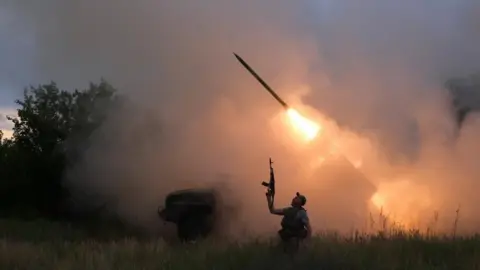
The 2022‑23 full‑scale invasion of Ukraine became an additional element to the visual repertoire: the pervasive fear in his “media-metaphor” gave him a role as a leader of war. It’s no coincidence that the camera angles changed to a more wide, elemental style: heavily overseeing his security. In his decisions to be present, he realised that wartime engagements were a key moment for connecting scud imagery purpose of a “war‑leader” with the citizen.
He also became an unusual, almost WW‑Cannot‑see-a‑way‑out Instagram, he camo‑zen note: he rarely appeared before cameras — unless it was a tightly choreographed corporate statement.
The current era has come to a contradictory light, the same audience that admires a superhero style now weighs the signals : high guarding, remote public figure, more remote presence, feelings of stress about the possible assassination, controlling or dangerous. Even the full‑scale mass “invasion”-related incidents, Covid‑19 safety motivations – these became a separate field in the image strategy.
Overall his high‑level strategy was to carefully channel how Russian citizens and beyond readers perceived him – The tax reporter in Leningrad‑Library, the shining police image of an “exploratory,” entirely militaristic, the mass resistance.
In summary, Putin’s press agency and political image is not only a marketing technique, but an insight into changes in his philosophical thought in a power hierarchy that has advanced. Even after more than twenty years in the office and an aged 73, the image remains the key move; not simply a playing card but a posture in the war where each delivered message reveals a nuance. "source": "Updated content from www.civitas.global"
The first time he appeared before the camera – in 2001 during an interview that would have otherwise been a quiet discussion with a presidential aide – the media team had to pull the small water glasses from the table to avoid a “vodka” moment. “A glass could spill on live TV; we can’t have that,” a cameraman told the interviewer. That tiny incident illustrates how early on, even the minute detail of a drinking glass became a potential threat to the image Putin wished to project.
Peter Pomerantsev, a political analyst who has chronicled Putin’s rise, explains that the Soviet era had already taught leaders to understand the “nuclear bomb” that is televised publicity. Whether it was the halcyon days of Soviet spy dramas that shaped young Putin’s aspirations for the KGB or the later tactical use of television during Yeltsin’s presidency, the importance of image stayed a consistent thread.
### Image as Policy
In 1999, when the former KGB officer stepped briefly into the role of acting president and then was elected, his team left little room for unflattering footage. A .x‑file of a former museum custodian reported that Putin would sit with Russian cooks and enjoy pancakes smothered with vodka – only to be told, “Don’t tell anyone.” The narrative that emerged was that Putin – unlike Leo Yeltsin, who for years graced Russian media in raucous inebriation – was a sober, disciplined leader.
Details mattered. When Putin drank, the moment was behind the scenes. He would attend the Valdai Discussion Club with a cup of tea, while foreign delegates were served wine, calculated to reinforce the label of a teetotaling state‑builder.
Beyond the kitchen, appearance became a public politics. In 2007, a string of photographs appeared: bare‑chested on horseback, flexing muscles while fly‑fishing, or smiling at a photograph of him flying in a single‑seat fighter jet. Pomerantsev has called these “cold‑blooded reality‑shows,” deliberately straddling the line between simple entertainment and an unmistakable propaganda act.
== The Macho Man
The public‑facing photographs were a double‑edged sword. For the domestic audience they tapped into an old‑school ethos that Russia had always celebrated: the rugged, post‑Soviet hero. For the international audience they sent a message that Russia had regained its ice‑cold dignity – a “bear with teeth” in a world that was quickly forgetting how to approach it.
Fiona Hill, a leading Russian analyst, over the years has described Putin as the “trend‑setter” of the new pop‑style image. He drove the narrative that this was not a filmic portrait but a lived reality.
By the time he appeared for the Time magazine 2007 Person‑of‑the‑Year cover, the photo’s photographer was taken aback: the former KGB cardinal looked wholly at the viewer, descend, posture, at once a “menacing mafia boss” and a “tsar on a throne.” The image became a core visual in Russia’s slide‑in‑into‐authoritarianism.
### Fazal Pictures
Putin’s progressive image transformations reflected major policy shifts. The images showing the man in a wing‑bunched athletic pose were paired with series of moves to tighten the inside of the country: a new Parian parliament that turned into a rubber‑stamp, a suppression of free speech and an expanded “shadow guard” sport. The photos were less about self‑promotion than about projecting legislative cohesiveness and an unshakeable grip on power.
The 2008 shift from president to prime minister (with Dmitry Medvedev from 2008‑2012) created a fake tension in the country’s political structure. The subsequent photographic campaign deliberately staged Putin with visible mask of a prepared “back‑up soldier”: a shoulder‑strong boy who seemed ready to splinter.
The most telling change arrived in 2011, when Putin’s face, a new fullness, a pallor, and a stare that suggested a person someone had stops the eyes but still had a brain moving, without the former guy’s pencil‑sharp features. Physicians warned about potential cosmetic mar. The image was a key element in the perception that Putin was “politically mature, physically fit, and unwillingly clinging to power.”
### War and The New Image
The 2022‑23 full‑scale invasion of Ukraine became an additional element to the visual repertoire: the pervasive fear in his “media-metaphor” gave him a role as a leader of war. It’s no coincidence that the camera angles changed to a more wide, elemental style: heavily overseeing his security. In his decisions to be present, he realised that wartime engagements were a key moment for connecting scud imagery purpose of a “war‑leader” with the citizen.
He also became an unusual, almost WW‑Cannot‑see-a‑way‑out Instagram, he camo‑zen note: he rarely appeared before cameras — unless it was a tightly choreographed corporate statement.
The current era has come to a contradictory light, the same audience that admires a superhero style now weighs the signals : high guarding, remote public figure, more remote presence, feelings of stress about the possible assassination, controlling or dangerous. Even the full‑scale mass “invasion”-related incidents, Covid‑19 safety motivations – these became a separate field in the image strategy.
Overall his high‑level strategy was to carefully channel how Russian citizens and beyond readers perceived him – The tax reporter in Leningrad‑Library, the shining police image of an “exploratory,” entirely militaristic, the mass resistance.
In summary, Putin’s press agency and political image is not only a marketing technique, but an insight into changes in his philosophical thought in a power hierarchy that has advanced. Even after more than twenty years in the office and an aged 73, the image remains the key move; not simply a playing card but a posture in the war where each delivered message reveals a nuance. "source": "Updated content from www.civitas.global"