In brief
Explosive Media, a key player in creating viral AI-generated videos, is utilizing recognizable Lego-style graphics to disseminate pro-Iran propaganda in the ongoing conflict with the US. These videos, filled with striking imagery and narratives that challenge dominant Western narratives, are rapidly gaining popularity and are viewed as a new tool of internet diplomacy. Experts highlight the sophisticated nature of this content and its implications for misinformation in a digital age.
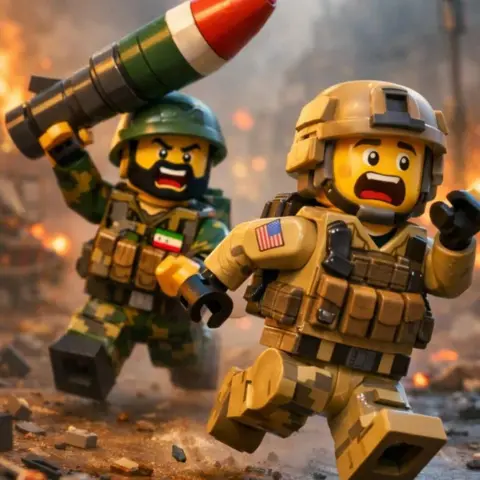
At first glance they look like they could be scenes out of a Lego movie, although more vivid and fast-paced. But these viral AI videos inspired by the instantly recognizable Lego aesthetic feature dying children, fighter jets, and US President Donald Trump - and are in fact pro-Iran propaganda. For our new BBC podcast, Top Comment, we spoke to a representative of Explosive Media, one of the key accounts generating these clips. He wanted us to refer to him as Mr. Explosive.He's a savvy social media operator who initially denies working for the Iranian government. However, upon further questioning, Mr. Explosive admits the regime is a 'customer'. The overriding message of these videos is that Iran is resisting what it sees as an almighty global oppressor: the United States. The clips are garish and not subtle, yet they have sparked vigorous interaction and debate online. One video features Donald Trump falling through a whirlwind of 'Epstein file' documents, while another eerily depicts George Floyd under a policeman's boot, claiming Iran is 'standing here for everyone your system ever wronged'. Leading propaganda expert Dr. Emma Briant asserts that the term 'slopaganda' fails to capture the power and sophistication of this content. With estimates of hundreds of millions of views, the AI-generated clips during the war have made substantial impacts. Mr. Explosive's content, widely shared by both Iranian and Russian media, leverages Lego-style graphics that he claims make it a 'world language'. He argues that these videos highlight the confrontation between Iran seeking truth against those who associate themselves with 'cannibals', a reference linked to unfounded conspiracy theories involving the Trump administration. Despite social media platforms attempting to shut down these accounts, new profiles continuously emerge, reflecting a novel form of agile internet diplomacy that bypasses traditional media and engages directly with audiences. Experts warn that such approaches could heighten misinterpretations and increase tensions, illustrating a complex landscape where propaganda and digital communication intersect.