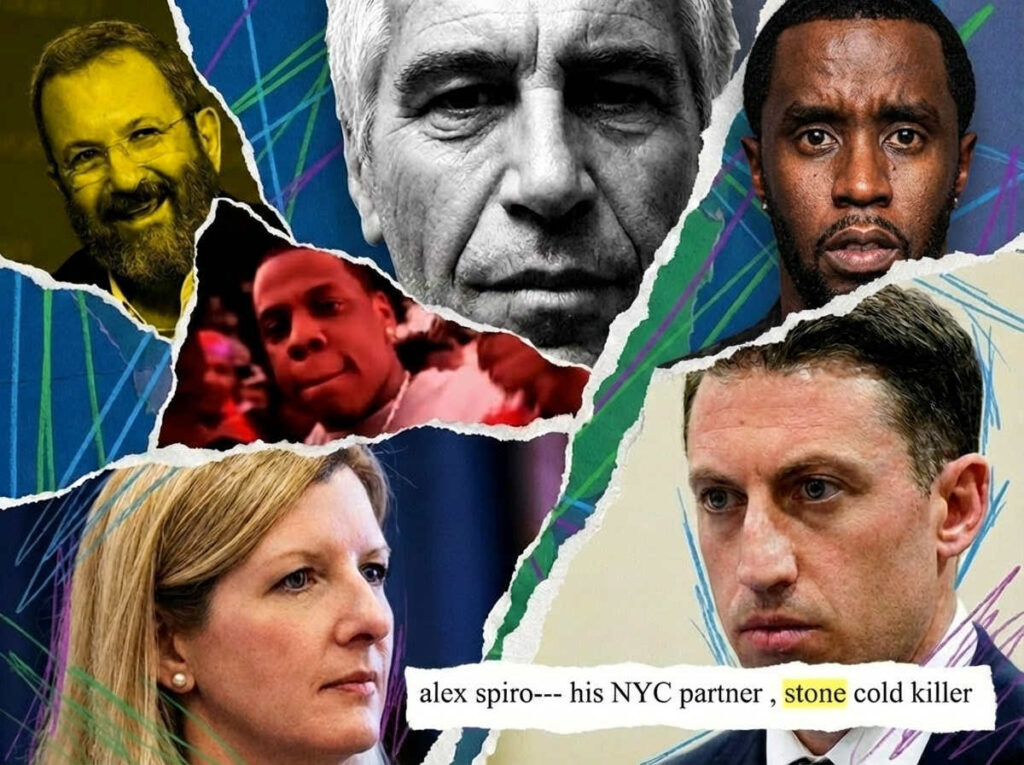
The US Department of Justice (DoJ) released its latest - and largest - tranche of files on Jeffrey Epstein on Tuesday.
The 11,000-plus documents continue a stream of released information that began on Friday, the deadline mandated in a law that required the department to publicly release all of its investigative files into the late convicted sex offender.
Many of the documents released on Tuesday were redacted with names and information blacked out, including names of people who the FBI appears to cite as possible co-conspirators in the Epstein case.
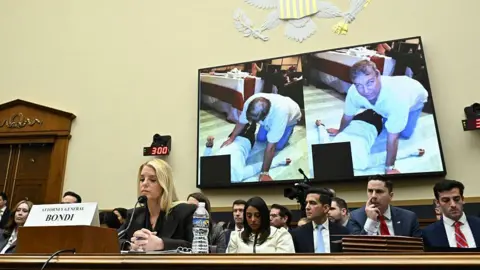
The DoJ is facing criticism from lawmakers on both sides of the political aisle over the amount of redactions in its files. The new law specifically states that redactions can only be done to protect the identity of victims or active criminal investigations.
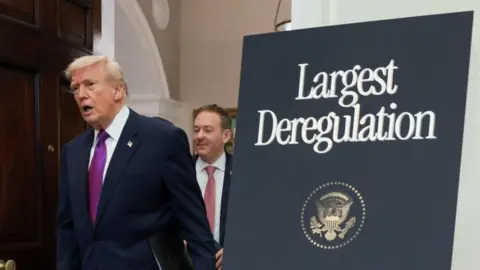
US President Donald Trump's name appeared more in these new documents than in previous releases. Many were media clippings that mention him, but one notable email from a federal prosecutor indicated that Trump flew on Epstein's jet.
The DoJ has said that some files contain untrue and sensationalist claims about Trump.
Being mentioned in the Epstein files does not indicate wrongdoing. The BBC has requested comment from individuals named in our reporting.
The newly released batch contains a 2001 email sent by a person identified as A to Epstein's associate Ghislaine Maxwell that raises eyebrows, asking if she has found "inappropriate friends." Emails regarding potential co-conspirators, several of whom received subpoenas, have surfaced, including references to high-profile figures. Notably, Maxwell's name appears without redaction.
In a striking detail, an alleged letter from Epstein to convicted sexual abuser Larry Nassar has been dismissed by the DOJ as fake, highlighting issues with authenticity in some materials. Furthermore, the release includes a fake video of Epstein that raised questions about its presence among official documents.
The implications of these releases reflect ongoing concerns around transparency and accountability, not just surrounding Epstein but across parties associated with him. Democratic lawmakers have now called for more openness from the DoJ regarding these files, emphasizing the need for justice and clarity for the victims of Epstein's network.