Urgent Conservation Needed for Migratory Fish Populations
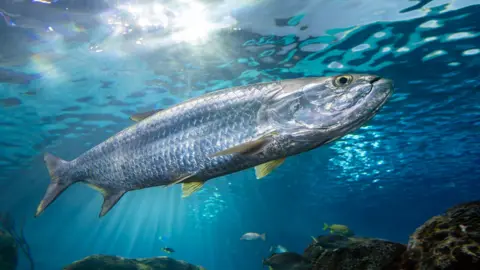
A staggering decline in fish species that migrate vast distances through rivers, lakes, and ponds is creating a crisis in global ecosystems. A new report by the UN details significant threats to migratory fish populations, revealing that their numbers have plummeted by an estimated 81% over the past half-century due to dams, pollution, and overfishing inhibiting their breeding migrations.
Among the thirty species prioritized for conservation are the golden mahseer and goonch catfish, highlighted for their ecological significance. Scientists examined the status of over 15,000 species of freshwater migratory fish, which account for half of all fish species, marking a critical moment in environmental conservation efforts.
Dr. Zeb Hogan, a biology professor from the University of Nevada, stresses the importance of these fish not only for biodiversity but also for human livelihoods, providing sustenance to over 200 million people globally. Their ecological diversity underlines the necessity for immediate action to protect these species and their habitats.
The UN's examination also revealed the interconnected nature of migratory fish populations, noting that many species traverse multiple countries. The Convention on the Conservation of Migratory Species, a UN treaty, is poised to expand its protections to thirty fish species deemed at risk, reinforcing the need for cooperative international efforts to enhance conservation.
Particularly concerning is the impact of human infrastructure—dams and barriers disrupt migration routes at an alarming frequency across Europe, affecting energy reserves and increasing susceptibility to disease among fish populations. These barriers prevent access to essential spawning habitats, further endangering their survival.
The report also showcases species lost to unsustainable practices, such as the Allis Shad and Atlantic Salmon in the UK. Calls for abandoning unnecessary barriers, alongside sustainable fishing practices, highlight a road towards recovery.
With a concerted push for increased awareness and action, there lies hope for not only the individual species struggling to survive but also for the ecosystems that rely on their contributions. As vital players in the freshwater environments, understanding and enhancing the habitats of migratory fish could lead to successful recovery stories in the near future.