At 17, Salvatore lives in the outskirts of Naples where he weighs 170 kg (26st 10lb) and can’t walk without help. He struggles to tie his own shoelaces, and a Vespa scooter that is supposed to transport him has had its wheels break seven times in a single week. “He eats constantly,” his mother Anna says, underlining the daily reality of his weight‑height.
A Diet Losing Its Stature
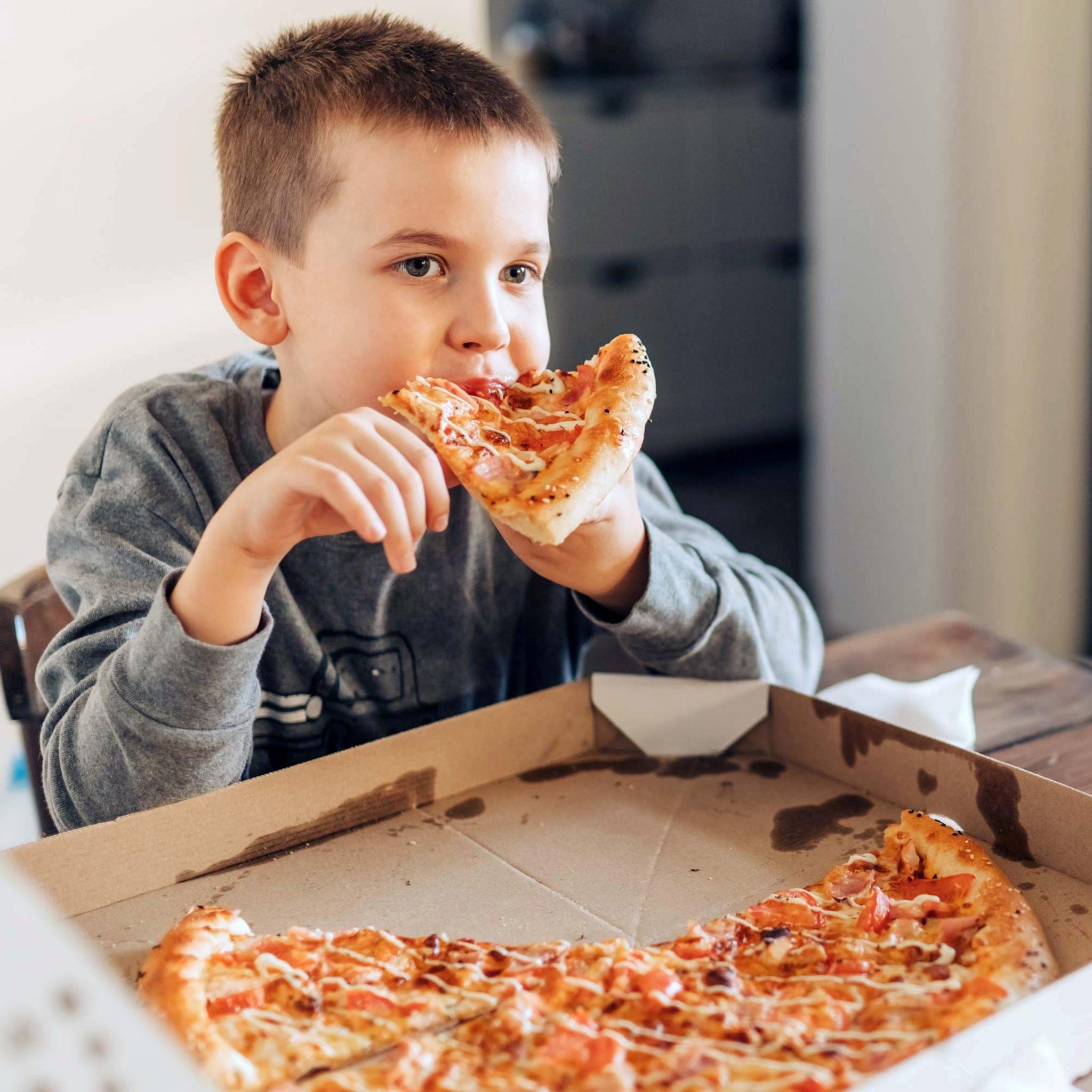
Italy used to be celebrated for the Mediterranean diet – rich in vegetables, legumes, olive oil, whole grains and fish – a model that helped the country have the lowest heart‑disease rates in Europe. Today that image is fading. Doctor Valter Longo explains that only about 10 % of Italians still follow that diet. He calls the modern Italian diet the “five Ps”: pizza, pasta, potatoes, protein and pane (bread). Consequently, kids are being raised on pizza slices topped with chips, sausage and fried snacks, processed meals and sugary drinks.
The Shadow‑Skilled Surgeons
At Betania Hospital in Ponticelli, Dr Sonja Chiappetta has treated patients with severe obesity for 15 years. She now treats teenagers as young as 16; grandparents of the children of her centre previously saw weight as a sign of health. Her standard procedure removes up to 90 % of the stomach, making it hard for patients to overeat. Salvatore is too heavy for the surgery, so Dr Chiappetta is prescribing GLP‑1 injections to reduce appetite and lower his weight enough to become eligible for the operation.
Nation‑wide Policy and Pilot Programs
In 2025 Italy passed the first national law that recognises obesity as a chronic, progressive and relapsing disease. The Campania region is testing a controversial “fast‑mimicking” diet: adolescents eat 1,100 kcal on day 1, then 770 kcal for four days before returning to normal meals. Proponents say the controlled deprivation can trigger a metabolic reset, while critics worry that such restrictive diets could increase the risk of eating disorders among teens.
School‑Based Interventions
The Valter Longo Foundation is running nutrition workshops in over 25 schools, reaching more than 17,000 students. Teachers hope to educate parents through their children, dismantling the cultural perception that a “chubby child” is healthy. A primary school in Napoli discovered that the gym’s small space limits physical activity, while a secondary‑school teacher says that many students simply do not care, even when they know what is healthy.
The Long Road Ahead
The WHO reports that childhood obesity has quadrupled since 1990, affecting over a billion people worldwide. Italy’s new law changes how obesity is treated – it is no longer just a matter of “bad choices,” but a chronic disease influenced by biology, environment and social factors. Salvatore’s hope to fall in love with a swimming outfit again may depend on the success of surgical, nutritional, and policy interventions that address both individual behaviour and the food culture that makes every slice of pizza a temptation.