Russia: Worker death sparks WHO inquiry into pneumonic plague risk
The World Health Organization has asked Russian authorities for more information after a laboratory worker at a Siberian plague research centre died under unclear circumstances. While Russian officials say those who handled the researcher tested negative for pneumonic plague, the WHO is pressuring for a full investigation.
What is pneumonic plague?
Pneumonic plague is a severe lung infection that is often described as the most virulent form of the plague. The disease can develop after an initial infection of bubonic or septicemic plague, which attack the lymph nodes or the blood, respectively. Symptoms include shortness of breath, chest pain, coughing up blood, and very rapid deterioration if left untreated.
Worldwide cases of all three plague types vary each year, ranging from 1,000 to 3,000, with most being bubonic. Plague is caused by the bacterium Yersinia pestis, which resides in rodent reservoirs across the Americas, Eurasia and Africa.
How does it spread?
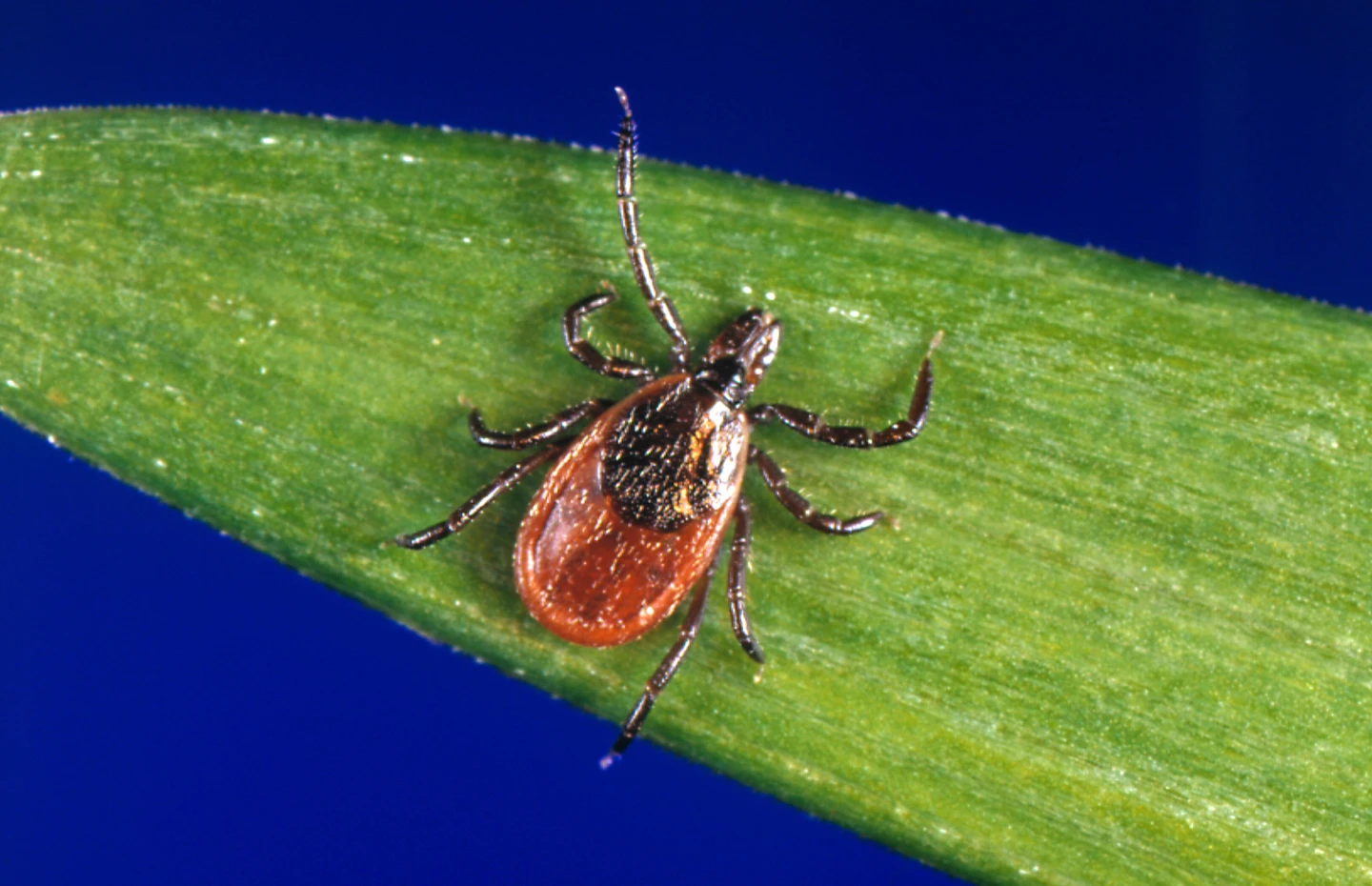
The bacteria live mainly in small mammals and their fleas. Infection can occur when a human is bitten by an infected flea or handles an infected animal. Pneumonic plague can also spread from person to person when a coughing patient emits infectious droplets; close contact is usually required. The disease is believed to have been the dominant form during the Black Death in the 14th century.
Lab research is essential, according to experts, because it allows for diagnostics, vaccine development and monitoring of antibiotic resistance. Dr Zania Stamataki of the University of Birmingham emphasises that studying the live organism is vital for preparedness against outbreaks.
Can it be treated?
Pneumonic plague has a short incubation period, sometimes as brief as 24 hours. Without rapid diagnosis and treatment, mortality approaches 100 %. The good news is that early antibiotic therapy—commonly doxycycline or ciprofloxacin—can cure the infection. Health professionals advise post‑exposure prophylaxis and quarantine for individuals at high risk.
In the current case, Russian authorities report no evidence of the bacteria linked to the worker’s professional duties, but the WHO still demands further detail to assess any potential risk. International bodies, including the CDC and the UK’s Health and Safety Authority, have issued statements noting a low but present threat.