In brief
This article explores the current geopolitical climate, focusing on notable conflicts, leadership changes, and public responses.
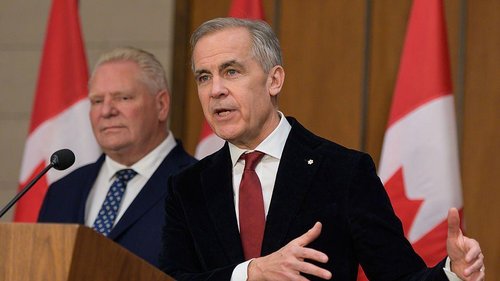
The geopolitical landscape continues to shift dramatically as nations grapple with leadership changes and rising tensions. From internal conflicts in Sudan's capital to the political battles surrounding former President Trump, global citizens are witnessing unprecedented challenges and responses. In Sudan, the fight for control over its capital has escalated, having devastating effects on civilians and the nation’s governance. Meanwhile, across the Atlantic, courts are clashing with former President Trump's administration over various legal issues, including alleged violations of court orders. In the realm of technology and energy, A.I. companies are evolving their business models, now venturing into energy sectors. The implications of such transformations raise questions about sustainability and corporate responsibility. Farmers in the U.S. are also feeling the pinch from Trump’s tariffs, complicating agricultural trade. Internationally, the arrest of a prominent activist in Colombia has sparked debates over free speech rights, highlighting the ongoing struggle for personal freedoms. Canada has embraced a new leader amid challenges stemming from Trump's trade policies, indicating a potential shift in diplomatic relations.Elon Musk’s companies are under scrutiny for their lack of transparency and significant operational missteps, while the Philippines faces its own political upheaval with the recent arrest of former President Duterte. To compound matters, health officials are examining long-term effects of Covid-19, particularly its link to heart conditions and, potentially, a resurgence of neglected diseases like measles. Educational systems are still recovering, with charts indicating persistent struggle among students post-pandemic. As the world catches its breath, significant questions emerge about how genetically modified solutions might solve future organ transplant issues and how the ongoing immigration policies in the U.S. threaten essential elder care services. Finally, the evolving security dilemmas in Europe, coupled with the effects of Trump's immigration policies, underline a widespread insistence on reevaluating both local and international frameworks. In this charged atmosphere, the narrative continues to unfold.