Ugandans under the age of 40 - more than three-quarters of the population - have only known one president.
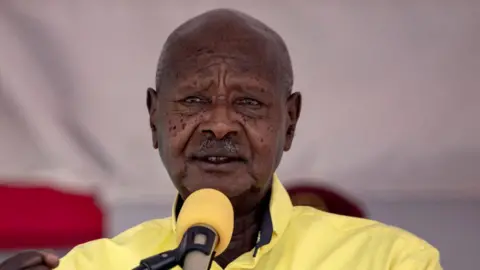
Yoweri Museveni seized the top job in 1986 following an armed uprising and, at the age of 81, he shows no signs of budging.
His time at the helm has been accompanied by a long period of peace and significant development, for which many are grateful. But his critics argue that he has maintained control through sidelining opponents and compromising independent institutions.
We don't believe in [presidential] term limits, he once told the BBC, confident after winning a fifth election. A year later, he successfully removed age limits on presidential candidates, allowing for the potential of a presidency for life.
Museveni's personal history includes his upbringing during Uganda's bloody independence struggle and his emergence as a leader in the fight against the notorious dictator Idi Amin. The past decades have seen Uganda's economy grow, primary school enrolment double, and a significant reduction in HIV with targeted campaigns championed by the president.
However, his administration has also faced allegations of repression. The judiciary has been accused of losing independence, and media freedom has been compromised, with numerous raids on outlets and journalists.
The greatest threat to opposition has come from Museveni's security services, targeting anyone seen as a challenger, including pop star-turned-politician Bobi Wine.
As he draws nearer to another election, many worry that Museveni's extended rule could turn into a family dynasty, with his son already positioned within the army.
Museveni continues to promote his vision of Uganda as a secure and developing nation but remains a divisive figure, especially among younger voters who question the sustained grip of one leader on power.