In brief
Judge Krasimir Mazgalov, campaigning for the Supreme Judicial Council’s judges’ quota, vows to be a direct representative of the judiciary. He outlines a platform of defending independence, improving workload measures, ensuring transparency in career development and strengthening accountability for misconduct. The candidate’s approach seeks broader input from magistrates to address systemic issues within Bulgaria’s court system.
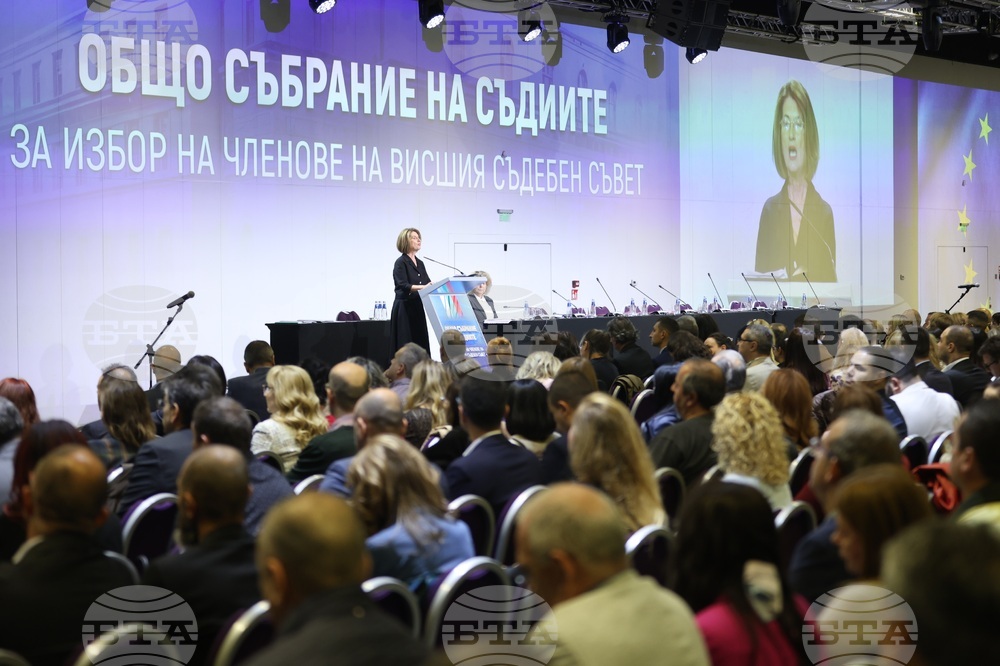
In the early hours of Saturday, the General Assembly of Judges in Sofia convened to elect new members to the Supreme Judicial Council (SJC) from the judges’ professional quota. Among the candidates was Judge Krasimir Mazgalov, a senior official at the Sofia City Court, who used the platform to announce a pledge to act as a direct representative of the judiciary, according to a report by BTA on 31 October 2026.
During the session, Mazgalov highlighted the repeat criticisms he has leveled at the SJC’s actions and inaction. He clarified that criticism alone would not suffice; instead, he argued, substantive steps and a commitment to problem‑solving are required to fulfill the Council’s purpose. The BTA coverage noted that the judge has called for a “willingness to take concrete action and assume responsibility” in resolving identified issues.
Central to Mazgalov’s platform is maintaining regular contact with magistrates across the country. The BTA article stated that he would see himself as a direct link between the SJC and the broader judicial community. By establishing open lines of communication, he hopes to detect problems and formulate timely solutions, a strategy he believes will serve the public interest by improving court operations.
His stated priorities encompass a range of institutional reforms. He has pledged to defend the independence and standing of the judiciary, address divisions within the magistrates’ community, and ensure a fair distribution of workload. Additionally, he will push for greater transparency in career development pathways and a predictable disciplinary practice that can be applied uniformly to cases of misconduct.
In a broader sense, Mazgalov wants the SJC to act as an advocate for judicial independence while also ensuring transparency, accountability and responsibility. BTA noted his insistence that complaints or misconduct must be pursued with clear, consistent procedures. The judge’s vision is that the Council’s authority is exercised in a manner that promotes public trust in the legal system.
Specific personnel policies are also part of the candidate’s platform. He argued for objective appraisals during career evaluations, the establishment of clear criteria for professional development, and enhanced transparency in the selection of administrative heads. He proposed drafting detailed profiles for various leadership positions, publishing assessment criteria in advance, and giving “greater weight to the opinions of judges’ general assemblies.”
Extending these principles beyond the Council, Mazgalov stated that similar standards should apply when selecting Presidents of the Supreme Court of Cassation, the Supreme Administrative Court, and the Prosecutor General. The BTA report emphasized his belief that accountability and open competition should guide the appointment of these high‑ranking officials as well.
Finally, the candidate addressed the issue of workload measurement. He has called for a meaningful system that considers not only the number of cases handled but also their factual and legal complexity, as well as the quality and timeliness of judges’ work. The coverage indicated that he sees improved workload metrics as essential for fair distribution of cases and for preventing burnout among magistrates.