In brief
As President Putin hosts leaders at the BRICS summit, the unexpected presence of Turkey's Erdogan underscores shifting geopolitical dynamics.
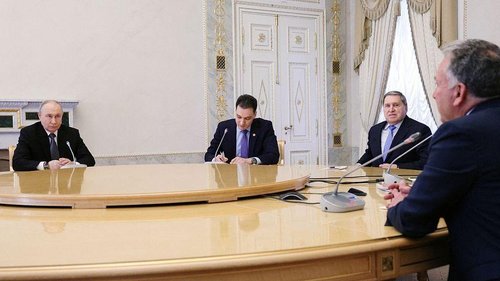
In a bold move to redefine his international standing, Russian President Vladimir V. Putin warmly welcomed leaders from diverse countries at the BRICS summit held in Kazan, Russia. Among these was Turkish President Recep Tayyip Erdogan, the only attending leader from a NATO country, illustrating the beginning of new alliances amidst the ongoing friction with the West.Putin has made it clear that he aims to demonstrate his relevance on the global stage, particularly against the backdrop of isolation imposed by the West following Russia’s invasion of Ukraine in 2022. Erdogan's presence and his frequent endearment of Putin as a "dear friend" signal Turkey's strategic maneuvering to align itself more closely with nations outside of the NATO framework, a choice that has raised eyebrows among traditional allies.During the summit, Putin emphasized the transition towards a “multipolar world order,” claiming an “irreversible process” had begun. This sentiment resonates well with BRICS nations, who have similarly criticized NATO and its influence in global affairs. Analysts suggest that Erdogan’s involvement is a significant testament to Putin’s attempts at expanding his circle of allies, potentially indicating more expansive cooperation between BRICS members and traditional NATO countries.As relations between Turkey and Russia appear to flourish, the broader implications for global security dynamics hang in the balance, suggesting that as traditional alliances shift, new ones might take their place on the world stage.