In brief
On 3 November 2026, a plane from Israel landing at Sofia airport triggered a counter‑terrorism inspection after an email bomb threat. Bulgarian Interior Ministry officials and transport authorities confirmed the safety of the aircraft, the absence of explosives on two inspected planes, and outlined the procedures followed. The incident highlighted the ongoing need for airport security and the role of authorities in addressing potential threats.
On 3 November 2026, a flight from Israel landed at Sofia airport after an email bomb threat prompted a counter‑terrorism inspection, Interior Ministry action secretary general Lyubomir Nikolov said to reporters, a move that underscored the strict vigilance exercised at Bulgarian air transport hubs.
Xinhua reported that special counter‑terrorism units examined the aircraft for explosive devices as soon as the threat was received. Nikolov confirmed that the inspection was carried out without incident and that no hazardous items were found on the plane.
Later that day, the Bulgarian Transport Ministry corroborated the findings. Minister Georgi Peev announced that inspections on two distinct aircraft—one from Bergamo and another from Dublin—reached the same conclusion, finding no explosive devices and asserting that the planes were not diverted to other airports, thereby adhering to standard safety procedures.
The threat, recorded as an email, raised questions about the source and intent of the sender, prompting authorities to initiate a chain of investigations aimed at identifying the individual or organization behind the message. Nikolov noted that past cases involved tracing IP addresses that pointed to other European countries.
Lyubomir Nikolov
'The worrying thing is that some airlines have now also started to be targeted, which means that aircraft have to be diverted and the relevant measures taken.'
According to Nikolov, the involvement of airlines in being directly targeted signifies a shift in threat patterns and necessitates heightened security measures. The counter‑terrorism unit’s rapid response aimed to prevent any potential disruption to flight operations.
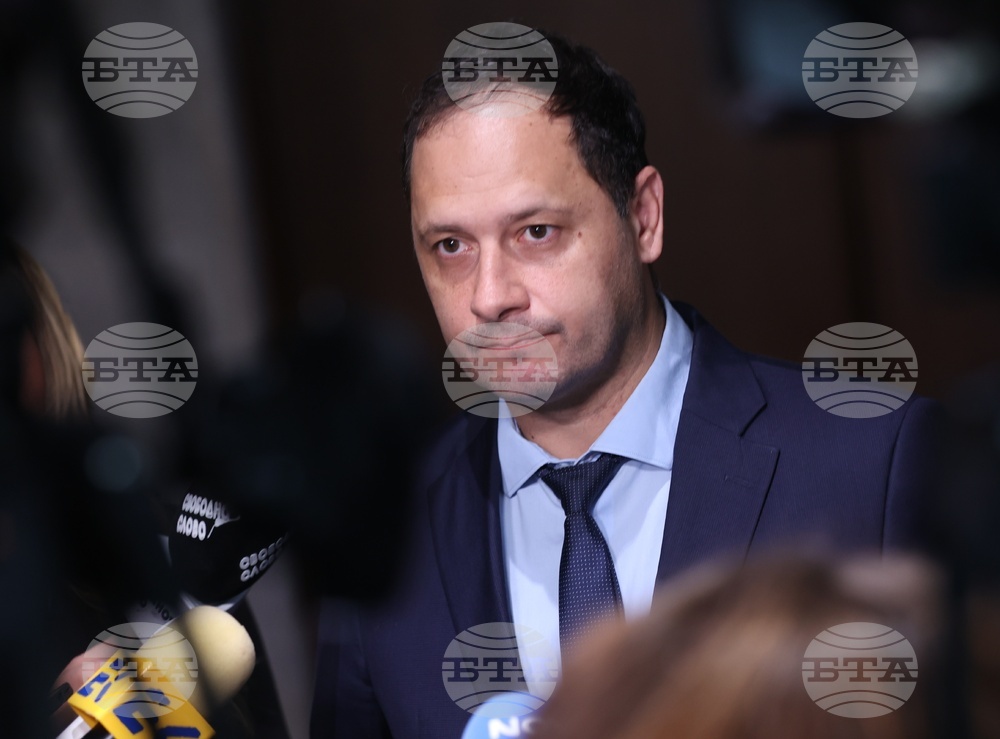
Minister Peev explained that pilot reports constitute the initial trigger for protocol activation. He added: 'The most recent incident was based on a report from the pilot.' This approach emphasizes a systematic workflow where the aviation sector collaborates closely with air traffic control and security teams to ensure a swift, coordinated response to verifiable threats.
Georgi Peev
'The most recent incident was based on a report from the pilot.'
Peev praised air traffic controllers, the air force, and other state institutions for adhering to protocols. He highlighted that the decision regarding a flight’s landing destination rests with the aircraft’s captain, while the state’s role is to confirm a safe landing and subsequently inspect the aircraft for any danger.
Security procedures at Sofia airport were reinforced following the incidents, maintaining a heightened state of readiness throughout the day. The Bulgarian authorities reaffirmed their capability to mobilize resources and follow established protocols in the face of any future threats.
The incident, though emergency in nature, ended without any injuries or operational disruptions. Bulgarians were assured that the investigatory process was ongoing, with the potential threat coming from an email address that remained the focus of forensic scrutiny.
These events underline the importance of maintaining robust security protocols at national airports and the role of public institutions in safeguarding transportation infrastructure. By consistently applying stringent inspections and collaboration between government ministries, Bulgaria demonstrated its commitment to public safety and accountability in air travel.