In brief
On 26 February 2027 the UK Treasury announced a further extension of its general licence for Lukoil‑owned entities in Bulgaria. The move allows the companies to conduct payments and other transactions without breaching sanctions, a step the Bulgarian government says is essential for the stability of crude oil supplies and the Burgas refinery. The licence is a key cooperation point between Bulgaria, the UK, and international insurers protecting the national economy and consumers.
In a policy shift that affects the flow of international oil, the UK Treasury announced on 26 February 2027 that it would extend the general licence that permits Lukoil Bulgaria subsidiaries to carry out business transactions until that same date, 2027. This decision follows a series of extensions made since the licence first took effect in November 2025, most recently on 28 October 2026.
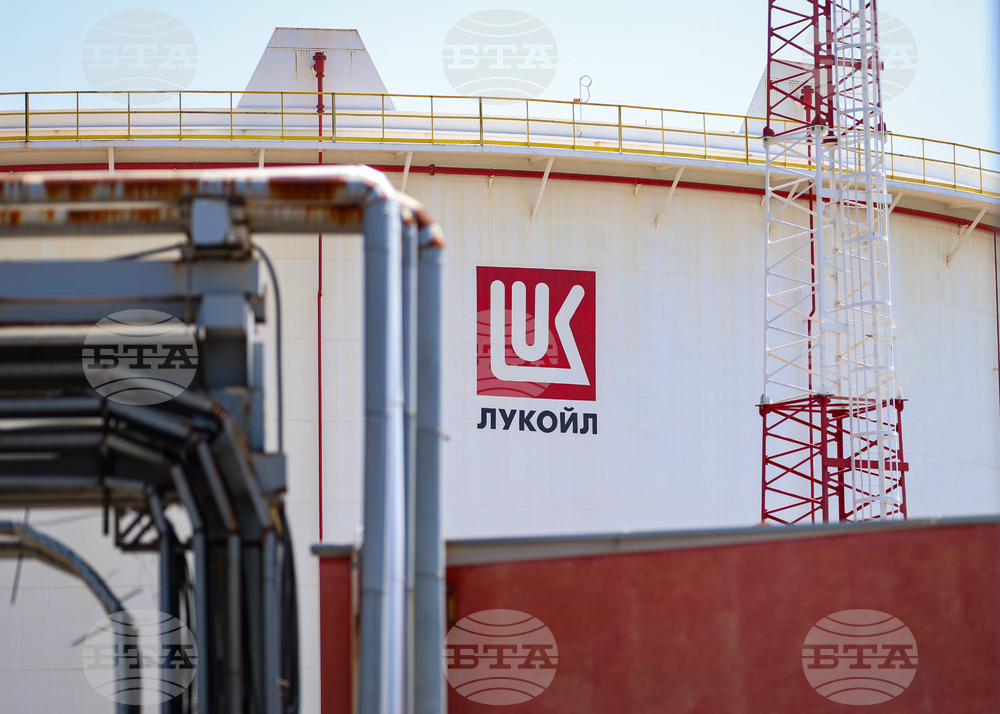
The most visible beneficiaries are four entities: Lukoil Bulgaria EOOD, Lukoil Neftochim Burgas AD, Lukoil Aviation Bulgaria EOOD, and Lukoil Bunker Bulgaria EOOD. The licence is specifically intended to enable these companies to make payments and conduct other transactions that would otherwise breach the UK sanctions regime imposed on Russian owner Lukoil. The extension supports ongoing operations relating to the import of crude oil, the running of the Burgas refinery, and the insurance of tanker shipments that deliver the fuel to Bulgaria.
Government and Industry Dialogue
The decision follows an active dialogue at the government level, with Prime Minister Rumen Radev and Deputy Prime Minister Alexander Poulev confirming the importance of the extension. Poulev said that the extension is the result of active dialogue at government level under Prime Minister Rumen Radev and talks with British partners and the British Embassy in Sofia.
He stressed that maintaining a licence is essential for “key business operations, including crude oil deliveries and tanker insurance.” “British insurers are crucial to the functioning of the supply chain, providing insurance for more than 90% of the tankers delivering crude oil,” Poulev wrote in a statement released by the Ministry of Economy, Investment and Industry.
“British insurers are crucial to the functioning of the supply chain, providing insurance for more than 90% of the tankers delivering crude oil.”
In his commentary, Poulev added that “the Bulgarian Government will continue working closely with international partners to safeguard supplies and protect the stability and interests of the Bulgarian economy and consumers.” This cooperation vision underscores the value that Bulgarian authorities place on the predictable running of energy supplies for the country’s populace and industries.
Insurance and the Tanker Chain
The UK‑linked insurers provide coverage for the majority of tankers that carry crude oil into Bulgaria; without the licence, those insurers could be barred from operating with Lukoil‑owned entities, which would disrupt the delivery schedule of barrels arriving at the Burgas terminal. The licence explicitly covers payments between the Bulgarian subsidiaries and international banks or other counterparties, thereby ensuring that the supply chain of oil and related trading continues unhindered.
International Coordination and Sanctions Framework
While the UK sanction regime remains in place, the United States has also extended its own authorisation until 24 April 2027, allowing certain transactions with Lukoil’s Bulgarian subsidiaries. The dual approval by the UK and the US creates a co‑ordinated environment in which Bulgarian companies can process payments from or to foreign partners that might otherwise be prohibited under sanctions. These overlapping levers of control highlight the complexity of sanction‑related compliance for European businesses exposed to Russian interests.
Implications for the Bulgarian Economy
From a civic standpoint, the licence extension is a linchpin that ties together parliamentary approvals, the Ministry of Economy’s regulatory framework, and the national financial system. The Bulgarian Ministry has framed the decision as a “stable and predictable” platform for the con‐tinuation of crude oil supplies, a stance that is intended to reassure domestic stakeholders ranging from industry operators to consumer protection groups. Calculations are underway in the Ministry’s policy office to quantify the economic contribution of the Burgas refinery, a key employer for the South Bulgarian region and a critical node for the transport of energy to the wider European market.
Public accountability is pronounced, as the licence decision is ultimately anchored in a parliamentary mandate concerning sanctions enforcement. The Ministry noted that the decision had the backing of the Parliament’s oversight committee, which monitors compliance of sanctions designed to maintain national security and the country’s compliance with international law. The licensing decision is therefore traceable through a series of legislative and executive actions that ensure transparency and adherence to legal standards.
Future Outlook
With the Lukoil entities retaining a licence until February 2027, experts predict that the supply of crude oil into Bulgaria will remain stable. However, the extension’s expiration in the spring of 2027 means that a further negotiation round will be necessary to determine whether further extensions or alternative arrangements can be agreed upon. This will involve a dialogue between the UK Treasury, the Bulgarian Ministry, and the U.S. Treasury’s sanctions office, with the possibility of renegotiating terms to keep the insurance framework operational for the next two years.
In short, the licence extension is a technical decision that carries significant public and economic stakes. It keeps the operational continuity of a domestic refinery, safeguards the insurance chain that underpins European shipping logistics, and provides a stable regulatory context for Bulgaria’s participation in the global oil market. The Bulgarian government has framed the move as a cornerstone for protecting the economy and citizens’ energy security while working within the broader, global sanctions architecture that governs Russian‑owned company activities in Europe.