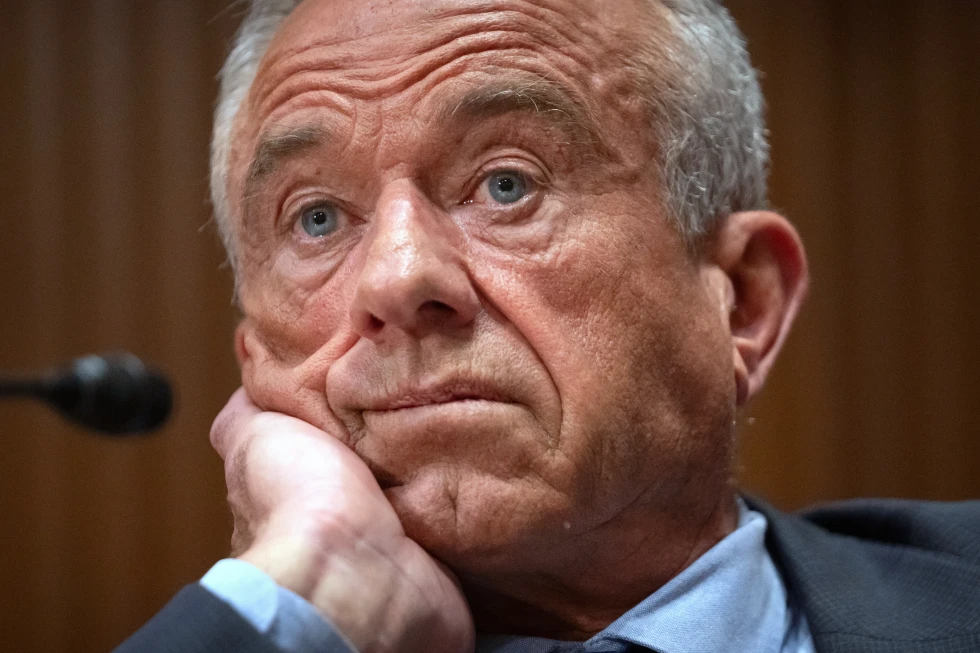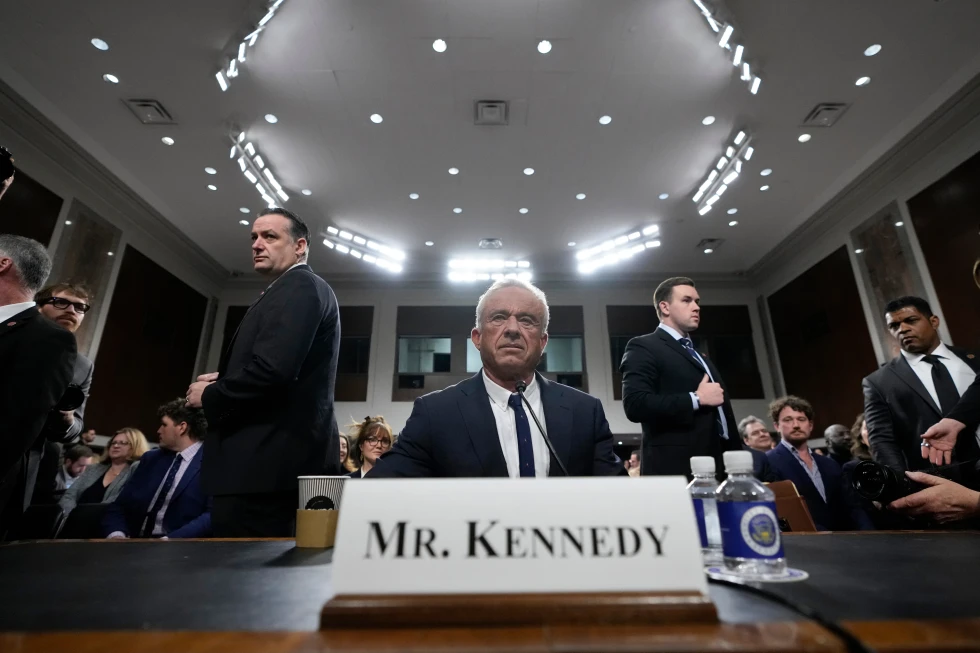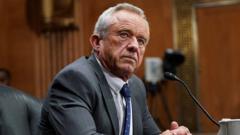
Kennedy's journey toward Senate confirmation as US Health Secretary began with a pivotal committee vote that saw a slim margin in favor of his nomination. Securing the backing from the Senate Finance Committee on Tuesday, Kennedy's nomination now heads to the full Senate, where Republicans hold a majority. The vote was strictly divided along party lines, reflecting the contentious atmosphere surrounding Kennedy's public health viewpoint, particularly his criticisms and calls for more stringent vaccine safety measures.
During the committee hearings, Kennedy attempted to distance himself from his past comments which labeled him as vaccine-skeptical, arguing that he only advocates for enhanced safety testing. His history of remarks, including claims about vaccines being inherently unsafe, garnered pointed questions, especially from Democrats. Senator Bernie Sanders highlighted this contradiction by presenting evidence of anti-vaccine merchandise from Kennedy's former organization. In response, Kennedy insisted he no longer manages the group.
A breakthrough came when Louisiana Republican Senator Bill Cassidy changed his initial skepticism and voiced support for Kennedy after gaining commitments from him and the Trump administration. This pivotal endorsement eased Kennedy’s path to a full Senate vote, where senators will evaluate his capability to lead critical health agencies such as the CDC and FDA.
As Kennedy's confirmation looms, he has indicated potential changes at federal health agencies to prioritize food safety and address food additives, without proposing outright bans on vaccines or fast foods. His nomination and the ensuing discussions encapsulate the ongoing division over public health policies and the influence of political affiliations on such critical leadership
During the committee hearings, Kennedy attempted to distance himself from his past comments which labeled him as vaccine-skeptical, arguing that he only advocates for enhanced safety testing. His history of remarks, including claims about vaccines being inherently unsafe, garnered pointed questions, especially from Democrats. Senator Bernie Sanders highlighted this contradiction by presenting evidence of anti-vaccine merchandise from Kennedy's former organization. In response, Kennedy insisted he no longer manages the group.
A breakthrough came when Louisiana Republican Senator Bill Cassidy changed his initial skepticism and voiced support for Kennedy after gaining commitments from him and the Trump administration. This pivotal endorsement eased Kennedy’s path to a full Senate vote, where senators will evaluate his capability to lead critical health agencies such as the CDC and FDA.
As Kennedy's confirmation looms, he has indicated potential changes at federal health agencies to prioritize food safety and address food additives, without proposing outright bans on vaccines or fast foods. His nomination and the ensuing discussions encapsulate the ongoing division over public health policies and the influence of political affiliations on such critical leadership