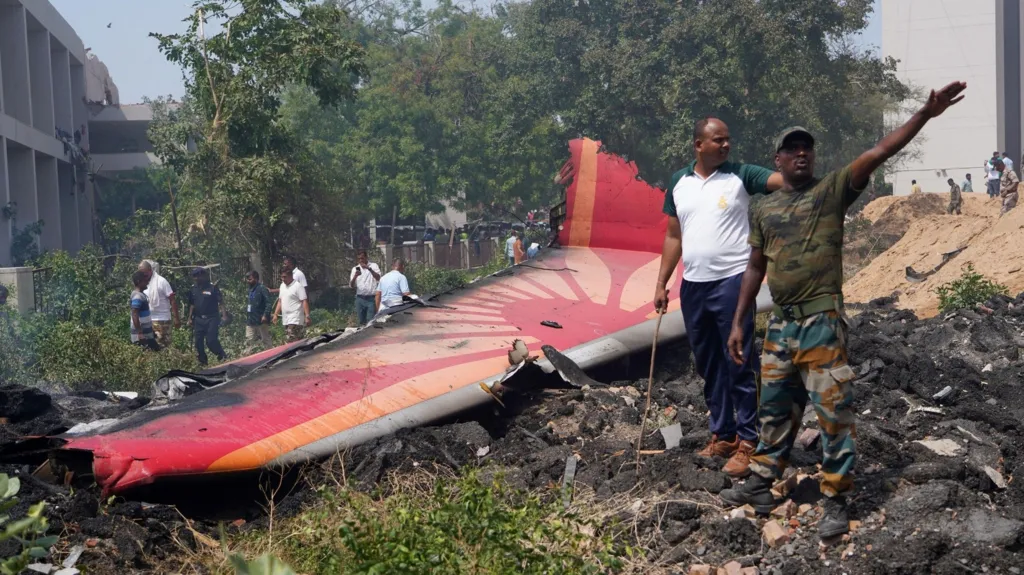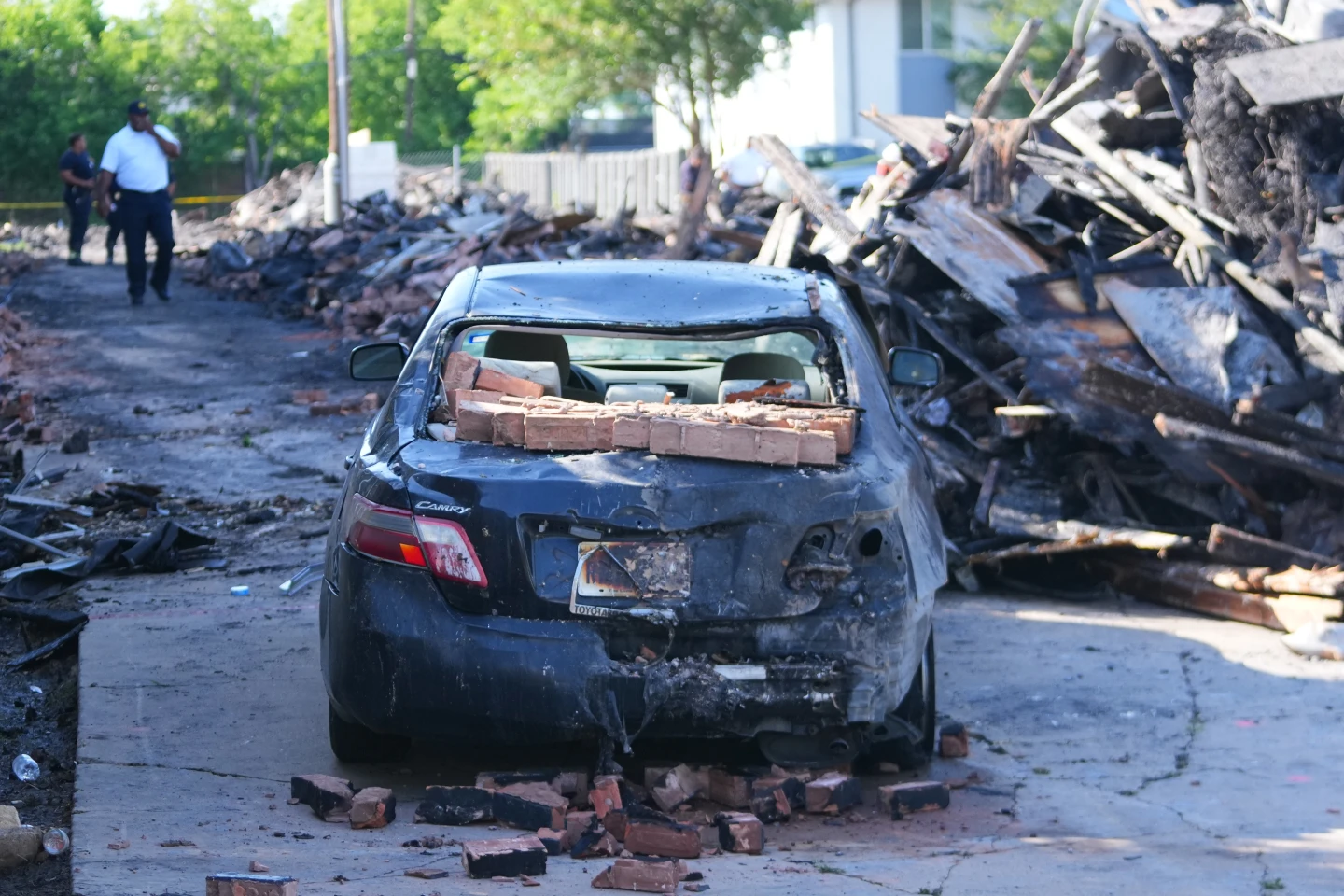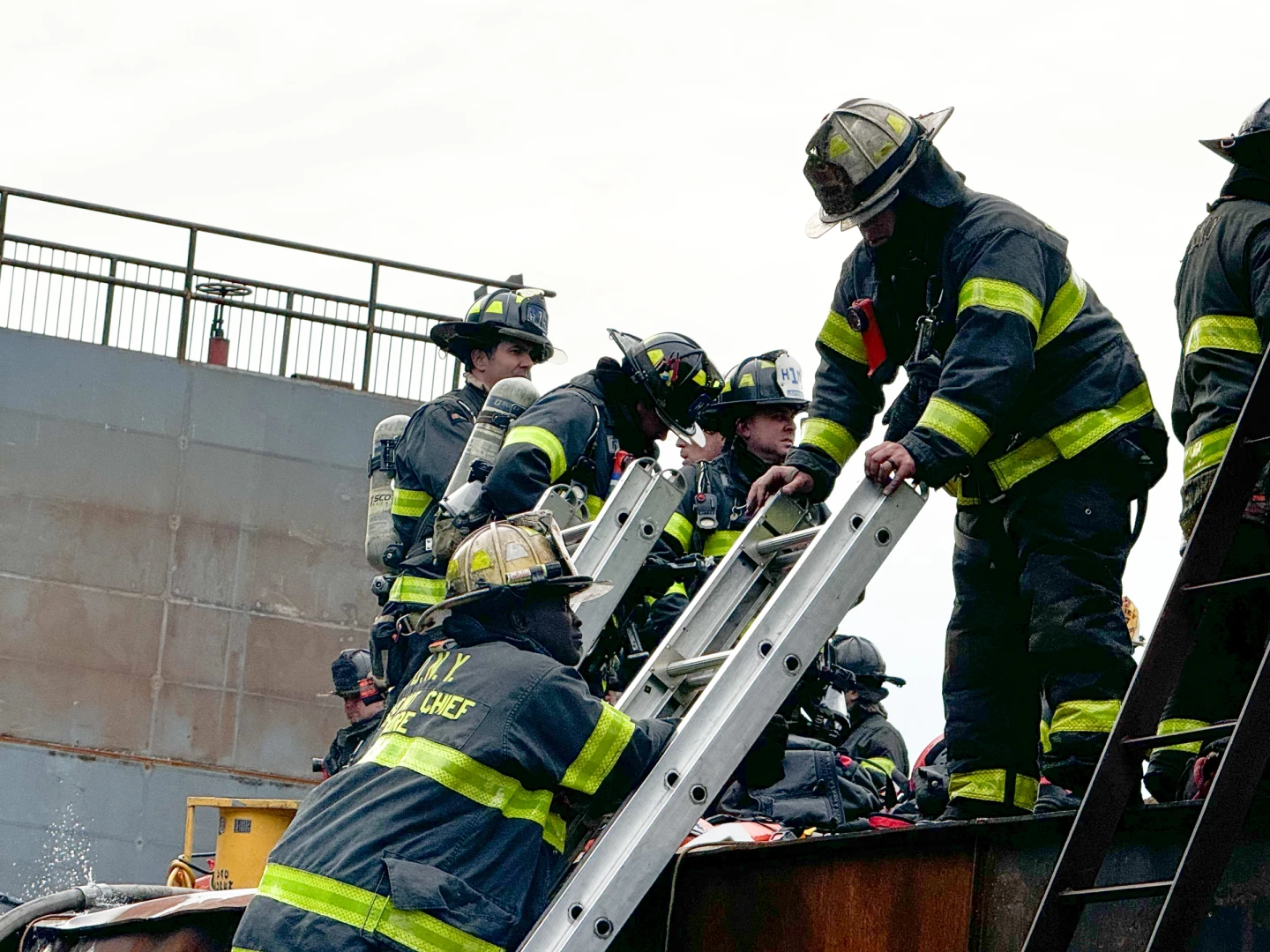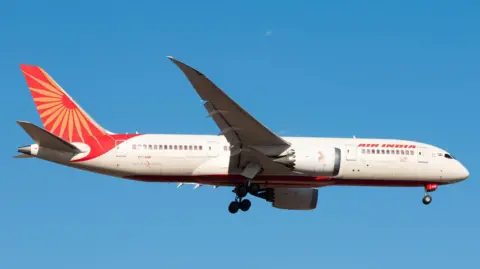
On 12 June 2025, Air India Flight 171, a 12‑year‑old Boeing 787 Dreamliner, plunged into a medical college campus outside Ahmedabad moments after take‑off, killing 260. A year after the disaster, the Aircraft Accident Investigation Bureau (AAIB) has yet to pinpoint a definitive cause, leaving families, investigators and the public in lingering doubt.
The preliminary report released in July 2026 identified a single, unsettling fact: seconds after the aircraft departed, both fuel‑control switches slid into the “cut‑off” position, severing fuel to both GE GEnx engines and triggering a total loss of thrust. That simple act, however, has not clarified whether it was a mechanical failure, an electrical glitch, or an intentional pilot action.
Three experts, former airline pilot John Cox and accident investigators Simon Hradecky and Shawn Pruchnicki, argue the unanswered questions revolve around the exact timing of the switch movement, the engines’ loss of power, the rapid deployment of the Ram Air Turbine (RAT) and the authenticity of cockpit voice data. They warn that any delay in the final report risks eroding public trust, especially as a variety of stakeholders—families, pilot unions, the airline and Indian aviation authorities—have divergent interests.
Fuel‑switch mystery – The switches are designed to prevent accidental shutdowns; moving them seconds after lift‑off is highly unusual. Cox points out that operational histories of OEM aircraft show no precedent for simultaneous switch failure. In contrast, Hradecky suggests the switches may have been moved as part of a dual‑engine‑failure procedure, where pilots deliberately cut power to reset engine controls.
The RAT’s deployment, which generates emergency hydraulic power, is another point of contention. A simulator test cited in the report indicates the RAT should activate 14‑18 seconds after fuel cutoff, yet the preliminary analysis implies it was engaged within five seconds. If the RAT deployed earlier than expected, it could reflect a different sequence of events, perhaps that both engines had already been inoperative.
Another theory posits that an accidental reboot of the flight‑control computers misidentified the aircraft as still on the ground, automatically cutting fuel and causing the engines to lose power. If true, the recorded “switch movement” would be a software command rather than a physical action.
The collection of engine exhaust gas temperature (EGT) data—available from the flight data recorder—could reveal whether a power loss began before or after the switches were pulled, helping to distinguish between a mechanical and an electrical cause. However, investigators have been slow to integrate these diagnostics into their final analysis.
The cockpit voice recorder’s entire transcript remains largely unpublished. Critics argue that a single phrase about the fuel‑switches cannot capture the full context of the pilots’ interaction. Peter Goelz, a former NTSB managing director, insists that a more complete analysis of cockpit dialogue is essential to understand the decision‑making that led to the crash.
As the final report waits behind months of detailed scrutiny, the debate over who—or what—brought down the jet grows more complex. Whether the answer lies in pilot error, an unexpected mechanical failure, a systemic electrical issue or an as‑yet unknown anomaly, the investigation continues to wrestle with fiercely competing hypotheses, all while a grieving nation seeks closure.