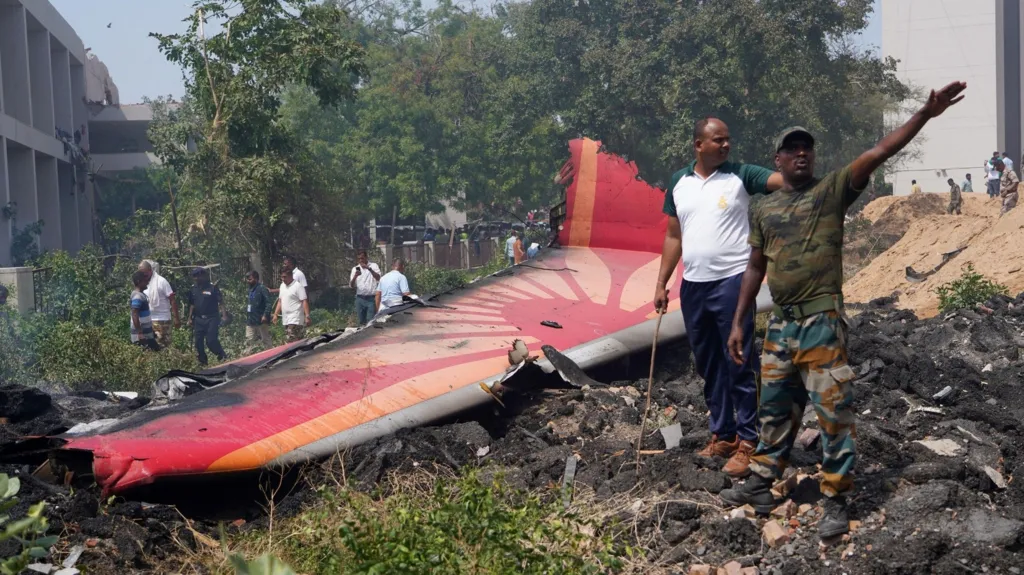
On the first anniversary of the tragedy, India’s Aircraft Accident Investigation Bureau (AAIB) confirmed that the investigation into the Air India crash remains active, with no official date set for the final report. The Boeing 787‑8, flight AI171 bound for London, exploded minutes after take‑off from Ahmedabad, killing 260 people on board and 19 others on the ground.
AAIB officials said the probe has progressed significantly in analysing the aircraft’s systems, flight‑recorders, engine components, maintenance records and operational logs, but the agency declined to disclose a timeline for the investigation’s completion.
In a preliminary report issued last year, investigators found that the fuel‑control switches jumped to the “cut‑off” position a few seconds after departure, instantly draining the engines of power. Audio recordings from the cockpit captured a heated exchange between the two pilots, one asking why the switches had been moved and the other denying any action on his part. The responsible pilot was not identified in the preliminary findings.
Following the preliminary release, major news outlets such as the Wall Street Journal and Reuters reported that new evidence had pointed to senior pilot Capt Sabharwal as the individual who switched off the fuel supply, a development that has intensified discussions about potential pilot error.
Pilot associations in India condemned the coverage, accusing it of unfairly implicating the captain without adequate evidence, and the AAIB quickly rebuked the claims. The associations demanded a thorough and impartial investigation before forming conclusions.
The air‑traffic safety community worldwide watches the unfolding investigation closely, noting the implications for global aviation security protocols. The AAIB will release the final report once the investigation is complete, with authorities hoping to provide closure to the families of those lost and to enhance safety standards for future flights.