The Prosperity Party has finished with a sweeping majority in Ethiopia’s newly elected parliament, winning 438 of the 501 seats that were contested. Prime Minister Abiy Ahmed, 49, is set to be sworn in for another term in early October, securing a continuation of the economic changes that have drawn praise from many supporters.
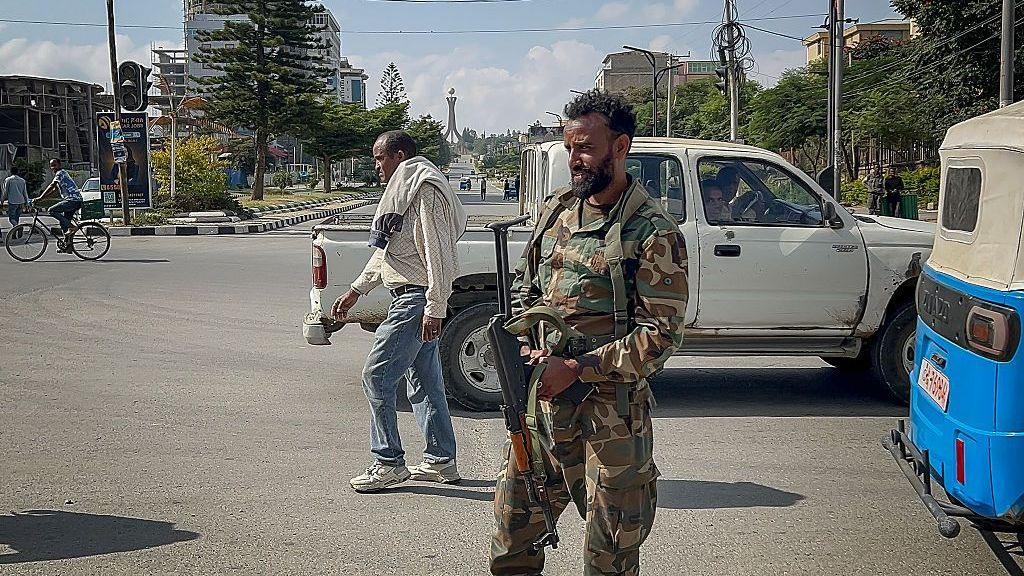
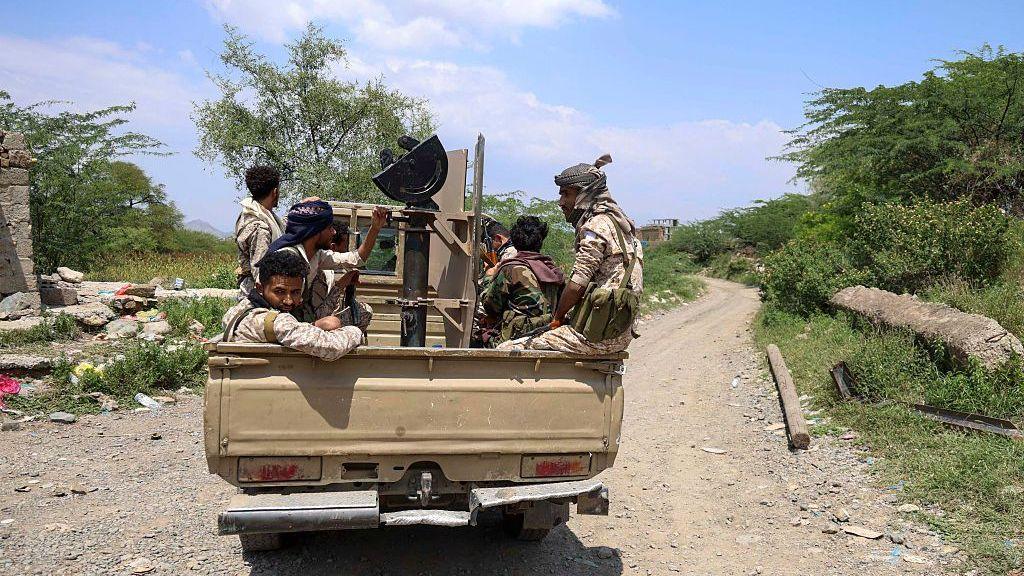
However, the election unfolded amid concerns that in addition to low voter turnout, armed militias and security fears had closed polling stations in key areas. In the Amhara and Oromia regions, the Fano militia and the sanctioned Oromo Liberation Army (OLA) rejected the vote, citing the risk of armed clash. In Tigray, the former Tigray People’s Liberation Front (TPLF) questioned the legitimacy of the process and elected representatives from the region were excluded entirely.
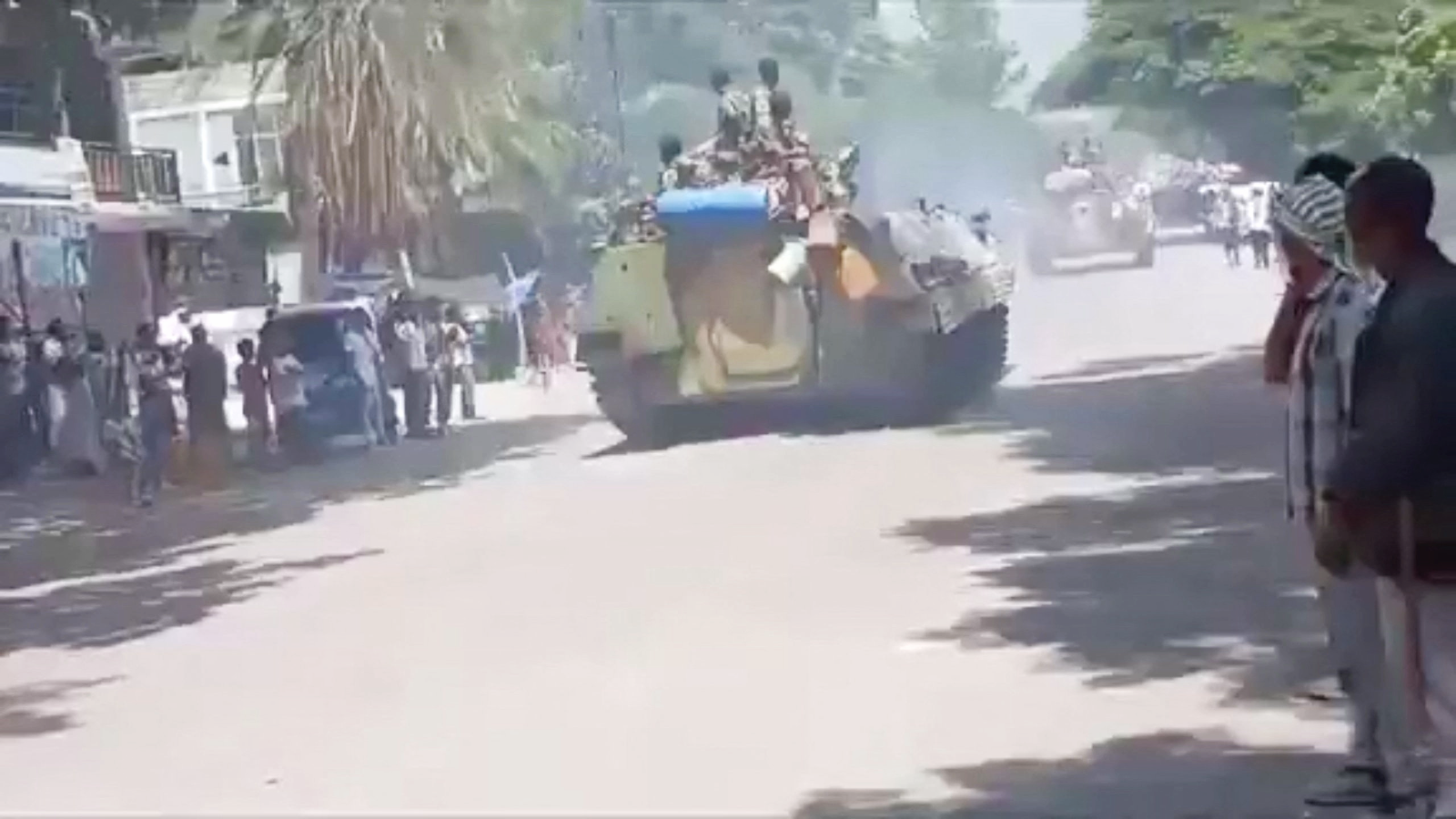
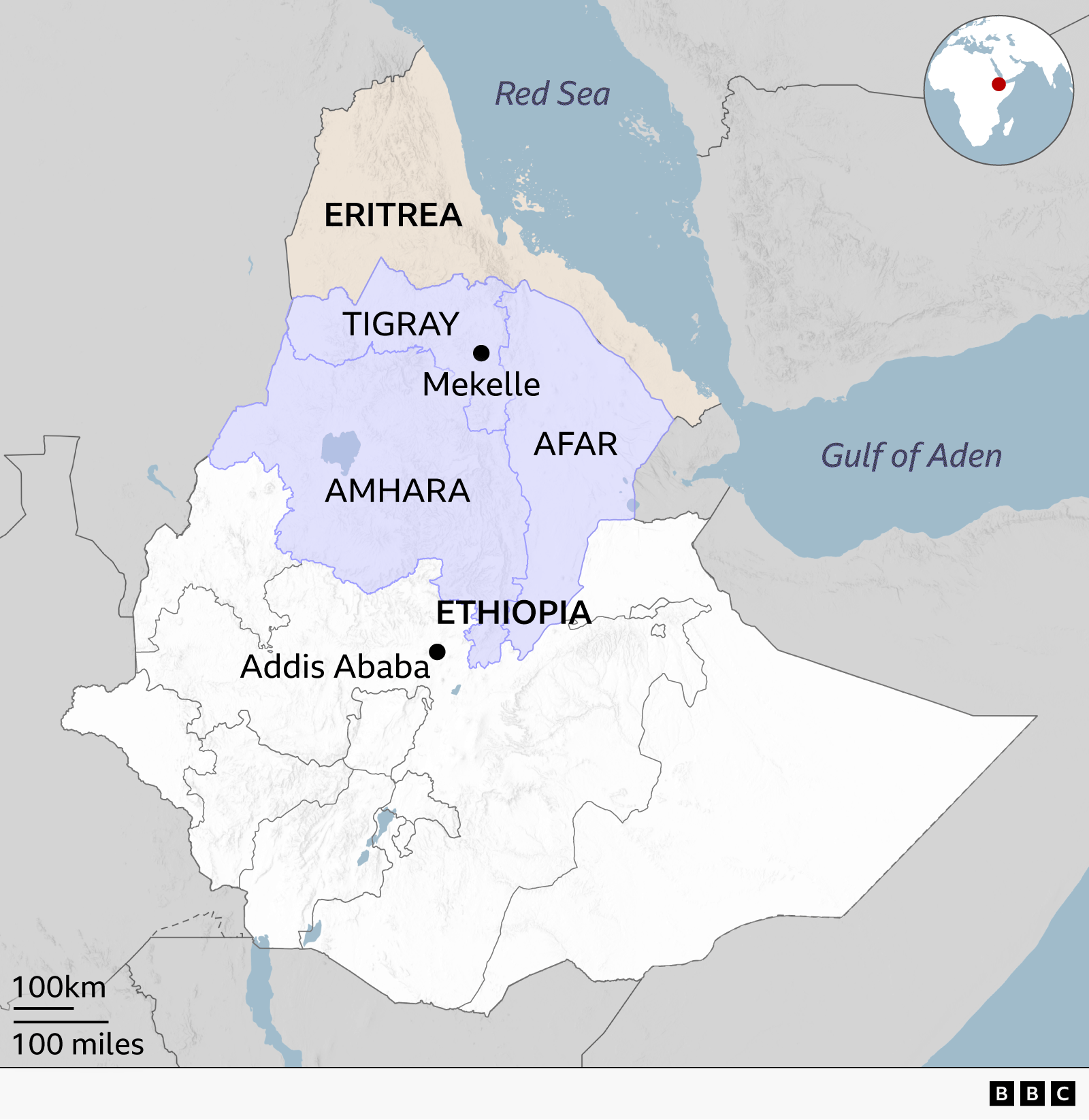
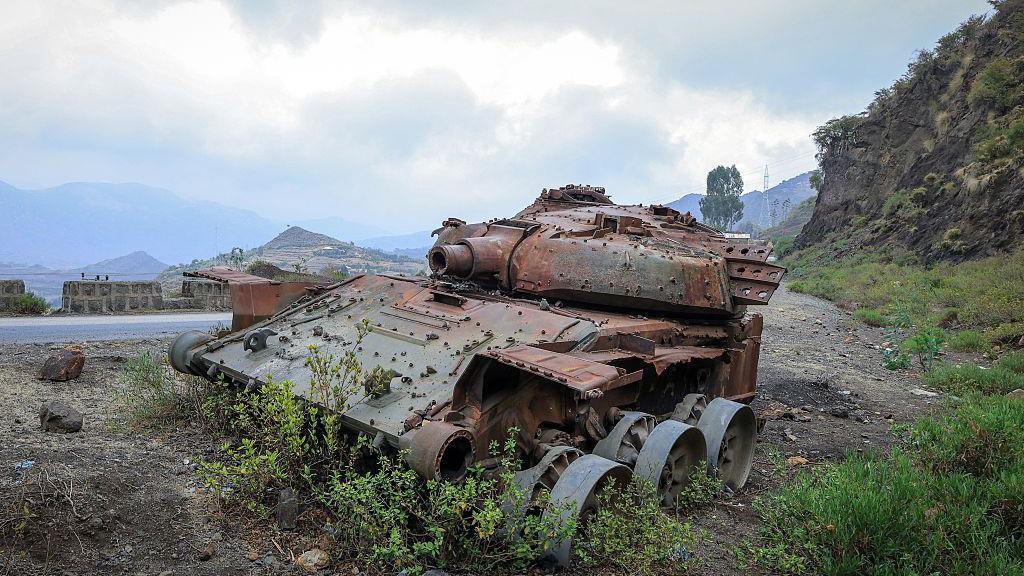
Abiy’s tenure has been polarised. He gained the Nobel Peace Prize in 2020 for ending conflict with Eritrea, yet the peace deal with Tigray signed in November 2022 has seen accusations of violations on both sides with the region still on the brink of renewed hostilities. Analysts warn that the tension, already a high‑risk scenario, could spill over into a broader regional conflict if the political stances of Addis Ababa and Asmara harden.
Eritrea, which asserts Ethiopia has imperial ambitions over its former Red Sea corridor, has allied with the TPLF, suggesting that any flare‑up could involve both Eritrean and Tigrayan forces on either side of the border. Parallel accusations have also surfaced that Addis Ababa feeds armed groups in Sudan’s conflict, further compounding the fragile security environment.
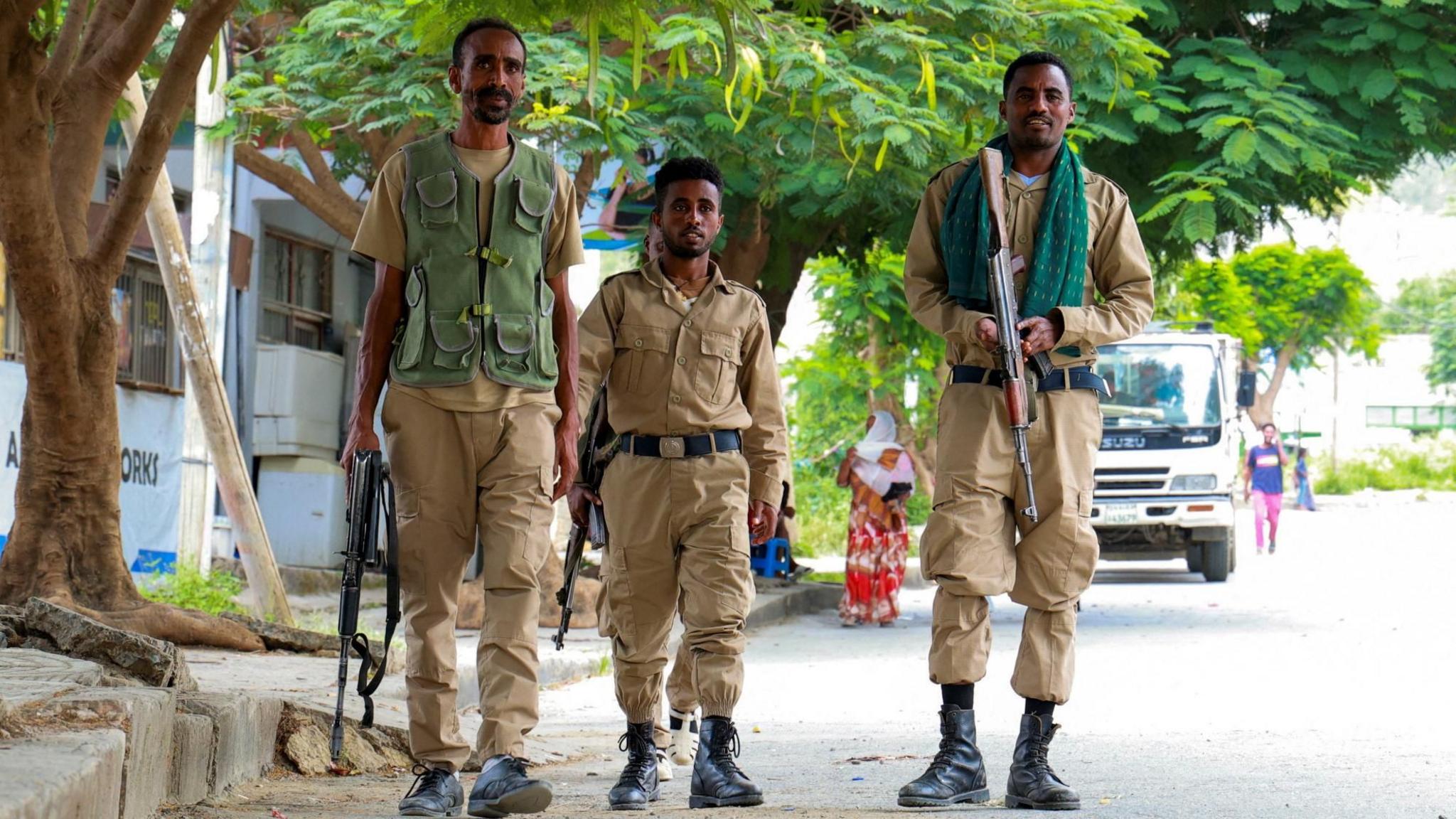
While some local authorities deny forced recruitment, accounts from Tigrayan communities reveal that local militias are actively mobilising young men and that the TPLF’s rhetoric is pushing the region toward an imminent crisis. Whether the new parliamentary majority will bring genuine decentralisation or continue to marginalise Tigrayan concerns remains uncertain.
International actors, including the European Union and the United States, have urged de‑escalation. The US has announced visa restrictions aimed at “hardline members of the TPLF” to prevent further destabilisation, while EU officials called for immediate de‑escalation amid unreported tensions.
As Ethiopia heads into a new parliamentary term, the same forces that built the current majority can also underwrite the potential for conflict. The coming months will see if the Prosperity Party’s hold on power can keep the nation on a peaceful path or if historic grievances will erupt anew against Abiy’s leadership.