Africa Faces Fuel Crisis: Power Rationing and Petrol Dilution Amid Iran War
Countries across Africa have taken measures such as diluting petrol and restricting electricity consumption to cope with the fuel crisis triggered by the US and Israel's war in Iran. South Sudan has started to ration electricity in its capital, Juba, while Mauritius has imposed restrictions to reduce wastage especially in high-power consumption areas.
As governments scramble to find alternative sources of fuel, Ethiopian authorities have ordered suppliers to prioritise specific sectors such as security, while Zimbabwe is increasing the ethanol content in its petrol. However, some nations such as Nigeria and South Africa could potentially benefit from new business as a result of the conflict.
In South Sudan, which has some of East Africa's largest oil reserves, the majority is exported while the country imports the refined product needed for fuel. Power rationing adds to the ongoing electricity cuts, with the main distributor in Juba announcing rotational cuts to manage available energy reserves amid the crisis.
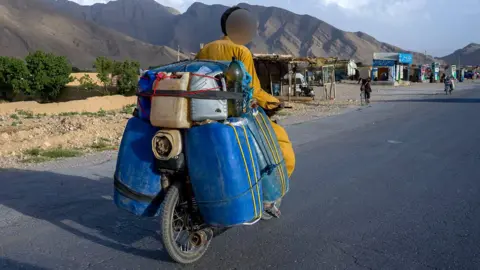
Meanwhile, Mauritius faces shortages and has sought alternative supplies, though they come at a higher cost. Zimbabwe plans to increase its ethanol mixture in petrol while scrapping import taxes to alleviate rising prices. Reports indicate that the prices of goods are rising significantly in Zimbabwe due to escalating transport costs.
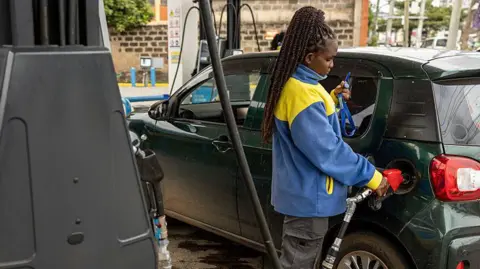
Kenya also reports that a fifth of its petrol stations are experiencing shortages due to panic buying, while Uganda's government assures citizens of adequate fuel supply amidst fears of inflation. In South Africa, officials affirm a stable supply for now but caution about future availability if the conflict continues.
As vessels avoid the Red Sea and opt for longer routes around Africa, certain ports could see increased activity, potentially benefiting economies there. Additionally, Nigeria's potential rise in oil prices may not translate to immediate benefits for ordinary citizens facing rising transport costs.