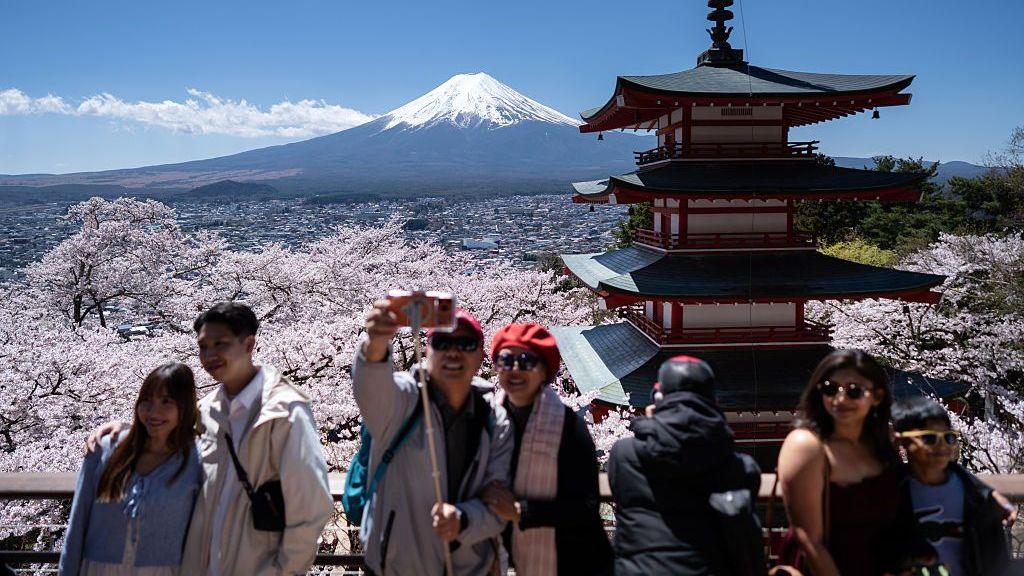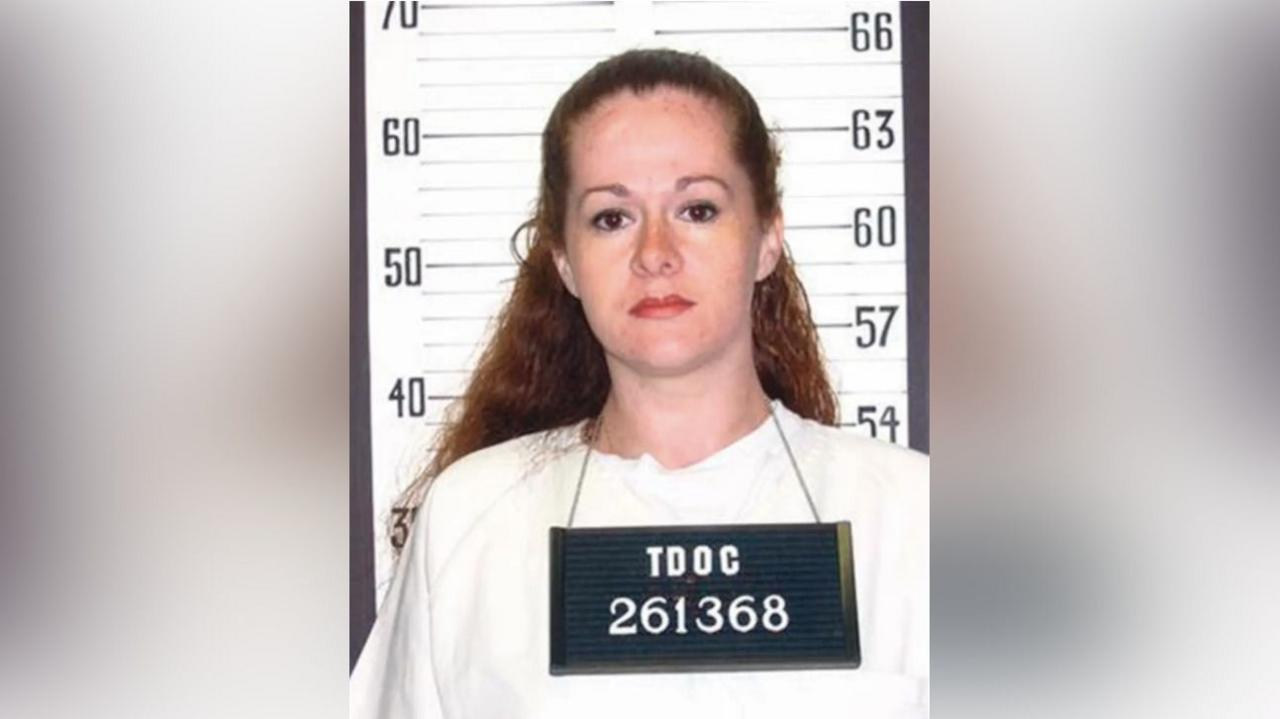

The arrest of US Marine Lance Corporal Devin Jacob Ballard on suspicion of murder in a hotel room in Naha has triggered new protests across Okinawa, bringing to the forefront years of frustration over crimes committed by American troops stationed on the island.
"Not again," 52‑year‑old resident Ai Sato told the BBC, echoing a sentiment that his shopping, a house, a family is just a backdrop to the repeated violence inflicted by U.S. forces.
"We have become numb to the repeated injustices," 62‑year‑old Ginowan resident Akemi Oshiro added. "We never expected that if a U.S. serviceman lives on Okinawa, the jurisdiction is not for us."
The crime happened outside an official duty, meaning Japan has primary jurisdiction. Yet the U.S. military retains custody until charges are formally filed – a point that has bitterly resonated with local communities. This jurisdictional nuance has been a recurring flashpoint, as past incidents such as the 2016 rape‑murder of a 20‑year‑old woman and the 2025 strangulation case both involved U.S. servicemen under similar circumstances.
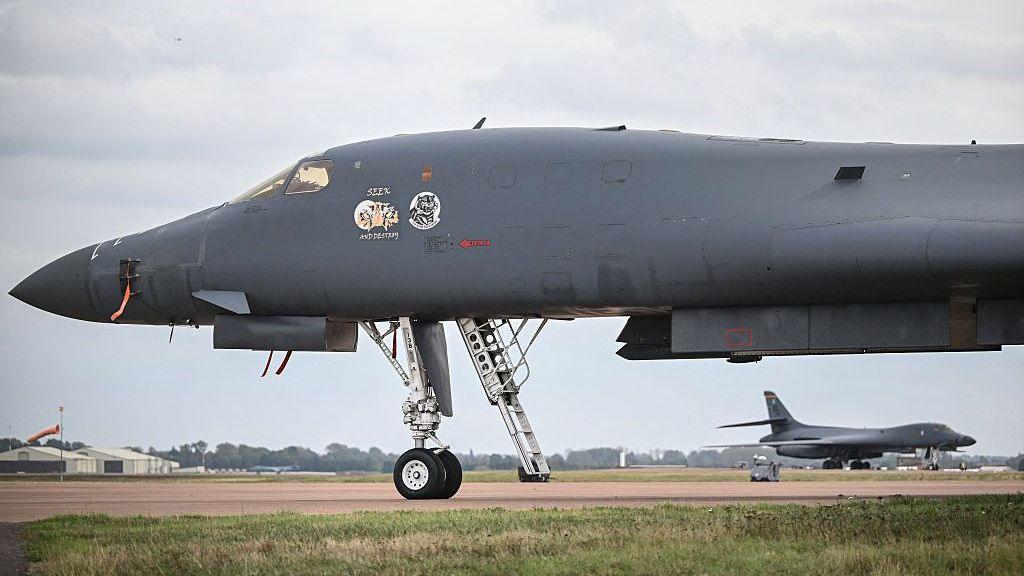
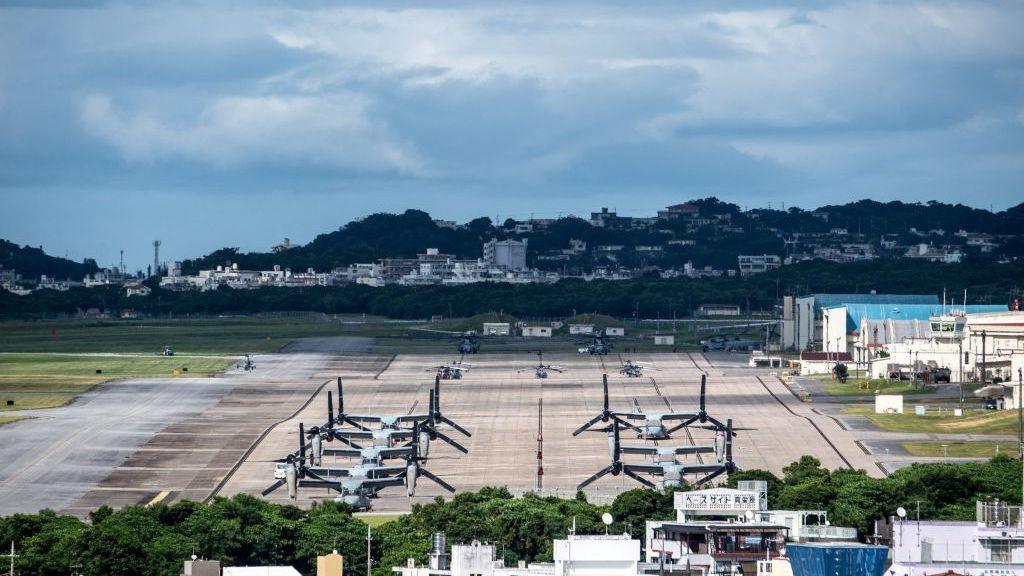
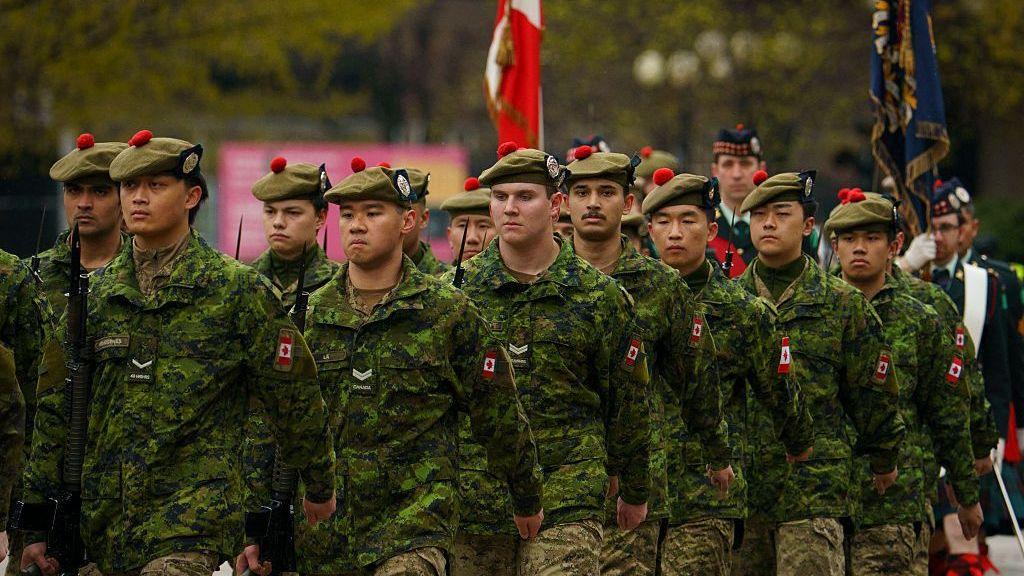
Okinawa hosts about 70% of all land used exclusively for U.S. military bases in Japan, with roughly 55,000 American troops stationed there. Since 1972, the prefectural government has recorded 6,409 arrests of U.S. personnel for criminal offences, sparking frequent protests. Local mines and law enforcement have consistently criticised the lack of transparent accountability, especially after incidents producing casualties from drunk‑driving, sexual assault and violent crime.
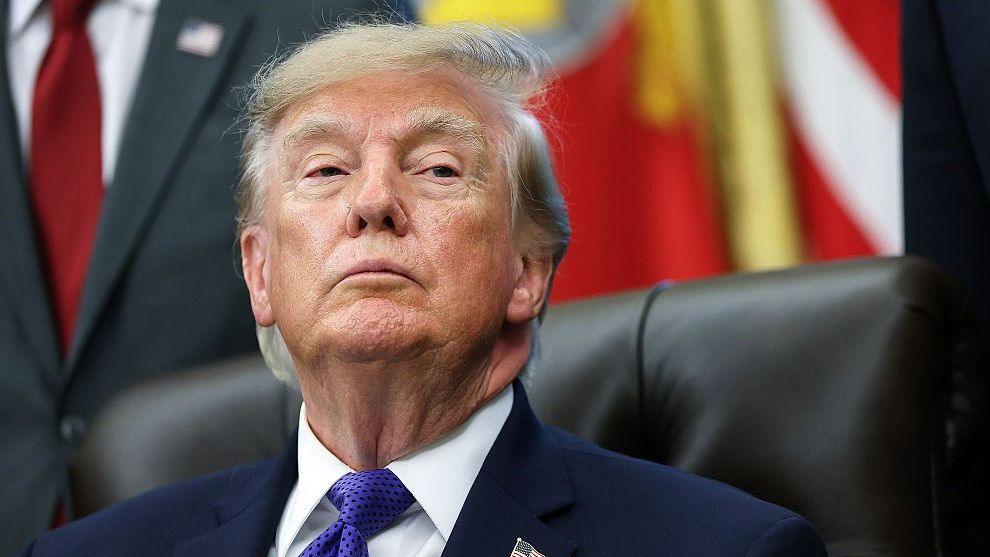
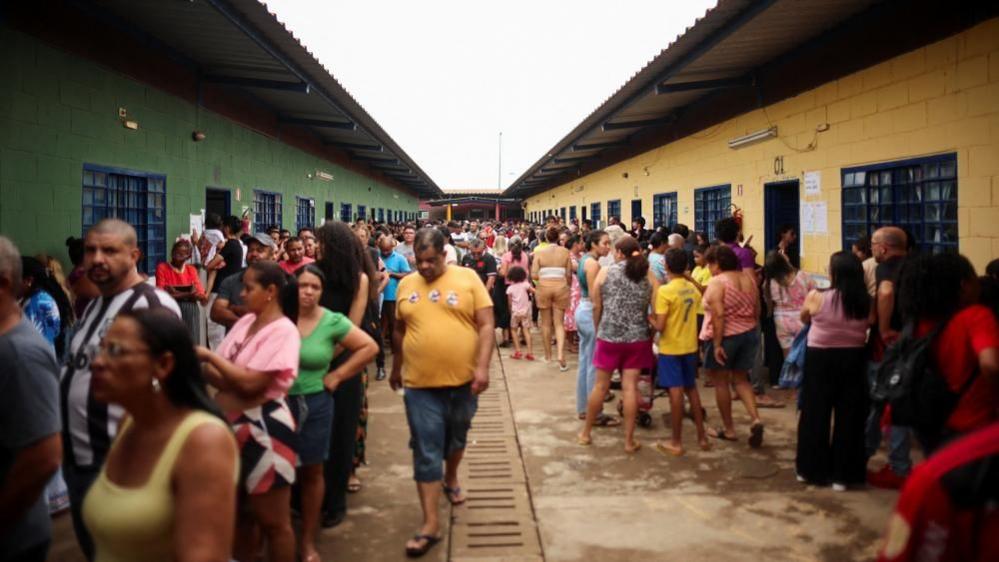
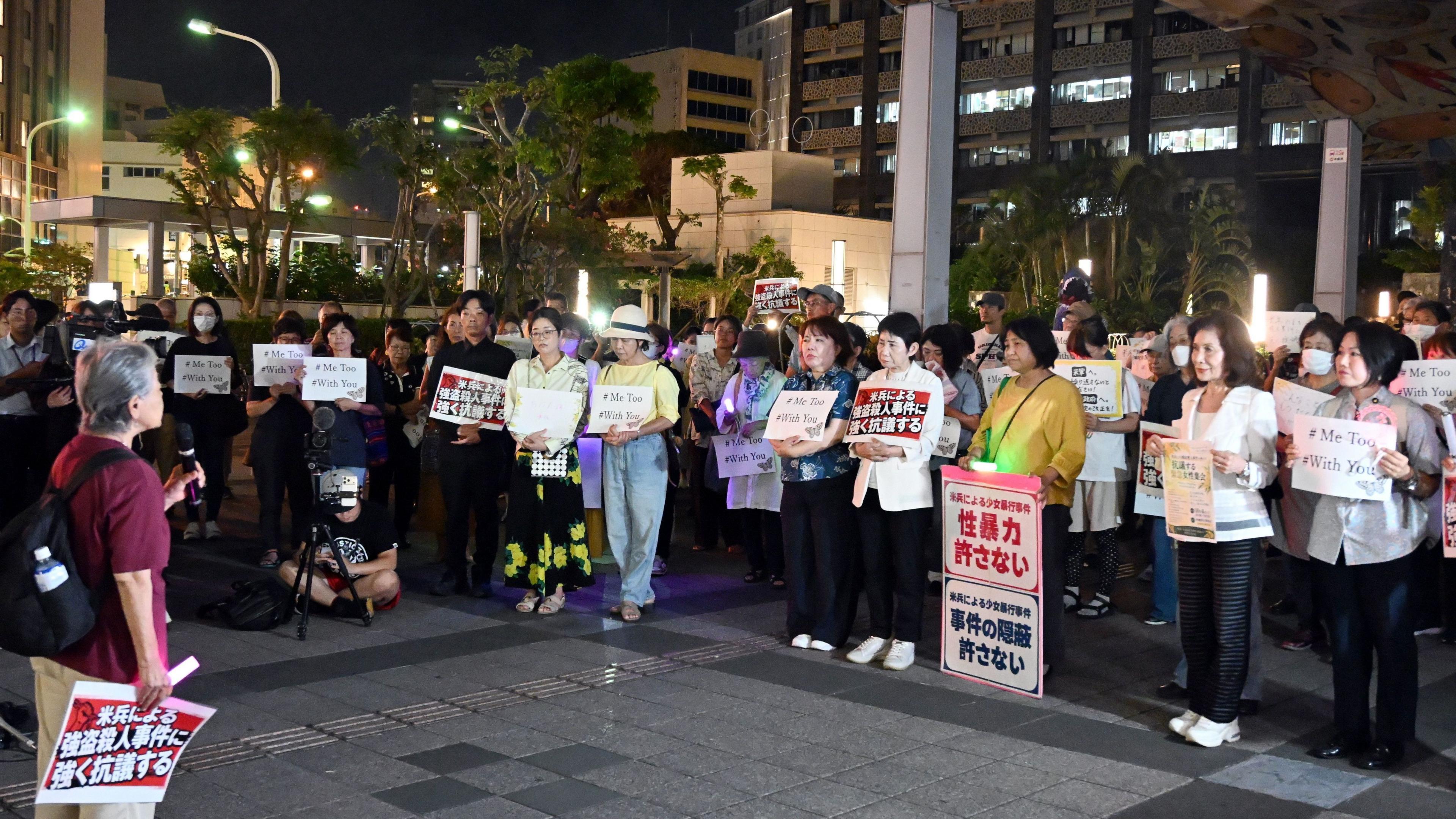
In the wake of the latest murder arrest, around 100 people gathered in both Naha and Tokyo to demonstrate. Social networks vocalised outrage, with several users demanding that Prime Minister Sanae Takaichi engage President Biden directly for concrete measures designed to prevent future incidents.
"We will keep insisting on a peaceful Okinawa where locals can live without fear, "Age 48 mother Hitomi Miyagi told the BBC. "Our voices must continue until concrete reforms are in place, not merely obligations that are raised only when a tragedy occurs."