China has called the US naval blockade of Iranian ports irresponsible and dangerous.
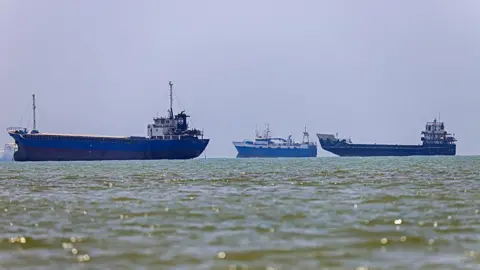
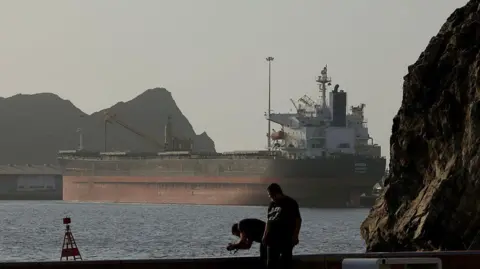
Beijing's foreign ministry stated that this action could undermine the already fragile ceasefire agreement and jeopardize the safety of ships transiting the critical Strait of Hormuz, a waterway that Iran has effectively closed in response to US-Israeli strikes.
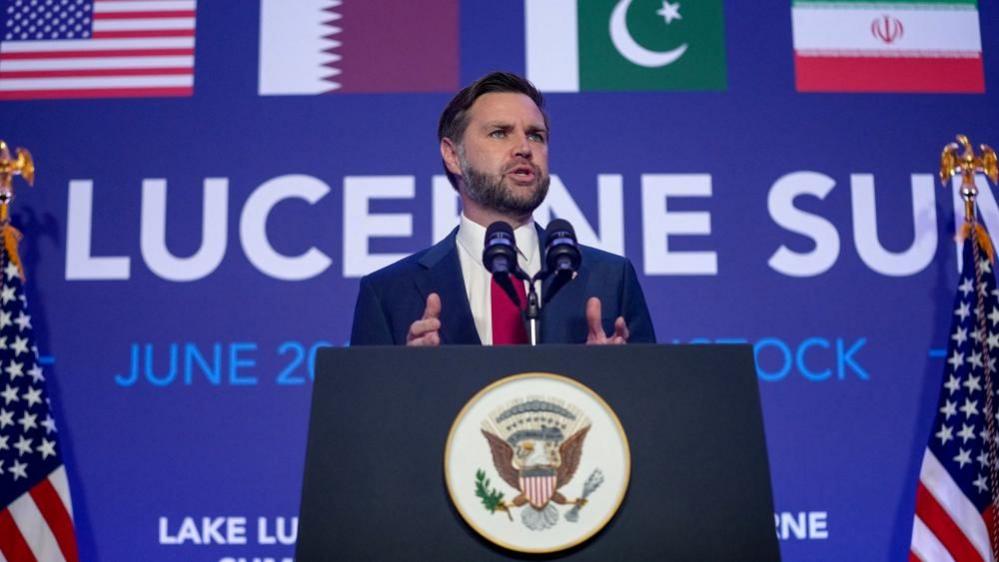
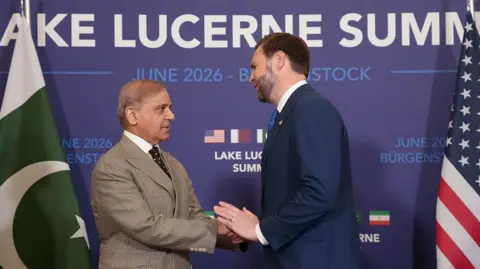
The blockade began on Monday, shortly after peace negotiations between the US and Iran failed in Pakistan.
US President Donald Trump justified the blockade as a measure to compel Iran to abandon its nuclear ambitions, while analysts suggest it may also be an attempt to pressure China, the largest buyer of Iranian oil, to persuade Tehran to reopen the Strait.
Iran's ambassador to the UN has condemned the blockade as a grave violation of Tehran's sovereignty. Despite this blockade, Chinese vessels reportedly continue to navigate the strait, raising questions about potential arrangements with Iran.
The US blockade has broader implications, possibly disrupting China's oil supply, which could have significant repercussions for the Chinese economy.
Chinese foreign ministry spokesman Guo Jiakun added that China believes peace talks and a comprehensive ceasefire are crucial to restoring stability in the region.
Guo dismissed assertions that China is preparing to deliver new military systems to Iran as completely fabricated. He warned that if the US uses military assistance to Iran as a pretext for imposing tariffs on China, Beijing would respond decisively.
As the situation evolves, it remains uncertain how these dynamics will affect the fragile ceasefire between the US and Iran, especially in the context of recent threats and alleged economic terrorism attributed to Iran.