Balendra Shah: Nepal's Ex-Rapper Takes Office as Prime Minister
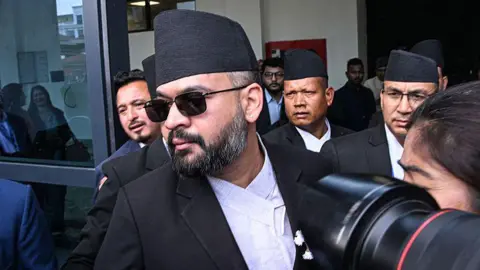
Balendra Shah, a rapper-turned-politician, has been inaugurated as Nepal's prime minister after a landslide victory in the country's first election since last year's youth-led protests. The 35-year-old's rise signifies a notable shift in Nepali politics, as his promise of change resonated with an electorate fed up with corruption, nepotism, and elite governance.
Before taking office, Shah, affectionately known as Balen, released a song that exuded optimism about Nepal's future, garnering over two million views shortly after its release. In his track, he proclaimed, Undivided Nepali, this time history is being made, reflecting the aspirations of many young Nepalis.
Following just three years as mayor of Kathmandu, where he vowed to fight corruption and improve city management, Shah teamed up with the Rastriya Swatantra Party (RSP) to campaign for the prime ministership. His supporters regard him as a beacon of change, challenging the established political elite.
The Rebellious Rapper
Shah, born in 1990 in Kathmandu, was raised in a household that valued education; he later graduated with engineering degrees. His rise in the hip-hop scene began in 2013 after winning a significant rap battle, where he voiced the frustrations of a disaffected youth.
His music, filled with critiques of social issues, has become emblematic of protest movements in Nepal. One hit, Balidan, which translates to sacrifice, powerfully illustrates the struggles of everyday Nepalis as they aspire for better governance and policies that support rather than neglect them.
From Protests to Power
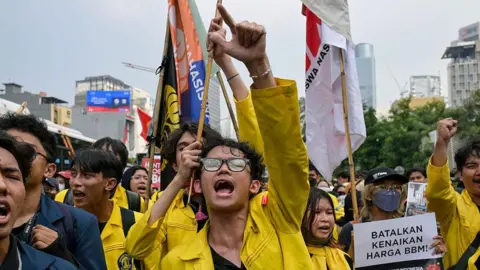
Shah's message resonated deeply, especially during last September's protests against a government clampdown on social media, which resulted in tragic casualties. His song Nepal Haseko became an anthem for demonstrators, echoing the desire for a more hopeful future.
His political style has been unconventional, focusing on social media engagement rather than traditional campaigning methods. This approach effectively connected with voters, allowing him to galvanize support that ultimately led to a decisive win in the March elections.
Controversy and Challenges Ahead
Despite his initial popularity, Shah faces scrutiny as he navigates the complexities of governance. Critics cite his previous handling of street vendors during his mayoral term as heavy-handed and question whether the relatively young RSP can fulfill its ambitious promises.
As prime minister, Shah must now address soaring public expectations amidst pressing challenges, including economic stagnation and the imperative need for judicial reform, all while maintaining a commitment to the anti-corruption agenda that propelled him to power.
He will also need to confront the long-standing socio-economic issues that have plagued Nepal, particularly the impacts of the global job market on its citizens, as well as the aftermath of the tragic events from a recent uprising that shook the nation.