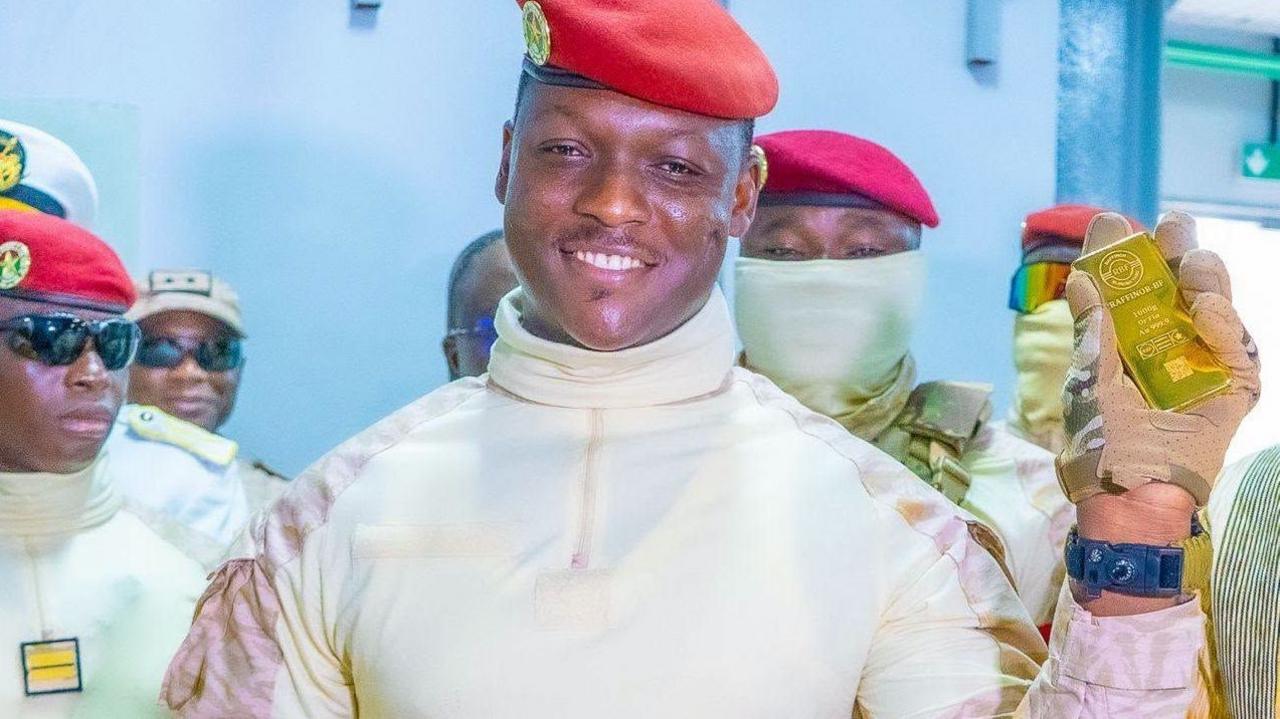
The 38‑year‑old army captain penned a milestone for Burkina Faso’s resource policy: on Monday, the capital Ouagadougou opened the nation’s first gold refinery, Raffinor‑BF. Captain Ibrahim Traoré said the facility confirms the junta’s commitment to “refine all our metals on site” and to fully inscribe the country’s mineral wealth within its borders.
The refinery costs more than 11bn CFA francs ($19m) and is set to handle 164 tonnes of gold a year – well above the nation’s current production. With future expansion to 515 tonnes, the plant could process gold from neighbouring states, establishing Burkina Faso as a regional hub that keeps value‑adding work domestically.

The move is part of a broader strategy that came into effect after the junta’s 2022 coup. The government has increased state presence in mining, required foreign operators to yield a 15% stake and train local staff, and revoked exports of artisanal and semi‑mechanised gold in 2024 to clamp down on smuggling. Traoré has repeatedly blamed illegal gold trade for financing Islamist insurgents that control large swaths of the country.
Mining Minister Yacouba Zabré Gouba remarked that “this is the day we take back the keys to our own house,” underscoring the symbolic shift toward self‑dependence. While the refinery has the potential to raise local income and reduce foreign profit margins, analysts stress that effective regulation of the sprawling artisanal sector will be critical to avoid repeating past pitfalls of uncontrolled smuggling and illicit trade.
If successful, Burkina Faso’s endeavor could inspire other West African states—such as Mali, Guinea and Ghana—to upgrade their own processing capabilities, marking a regional consolidation of mining sovereignty amid fluctuating global gold prices.