Canada and U.S. Near Final Trade Deal, Tariffs Paused
By Nadine Yousif, Senior Canada reporter
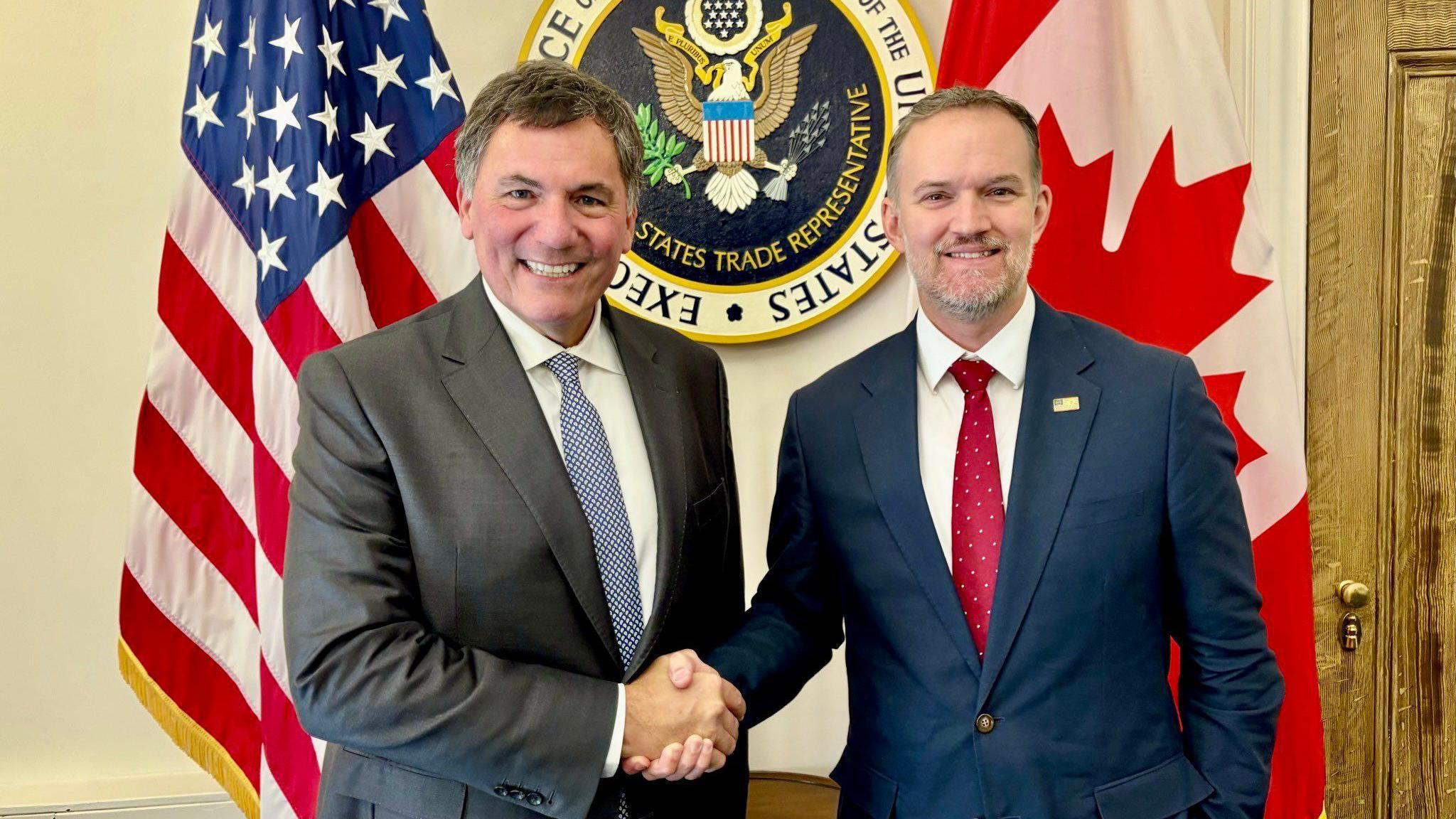
Press reports now suggest that Canada and the United States are on the brink of finalising a trade agreement that would noticeably ease tensions that had risen under the Trump administration, including the threat of a new 50% tariff on Canadian goods. Trump expressed confidence that the deal would benefit U.S. farmers and manufacturers, while his Canadian counterpart, Prime Minister Mark Carney, hailed it as securing favourable terms for Canada’s vital sectors and providing much‑needed certainty over the future of bilateral trade.
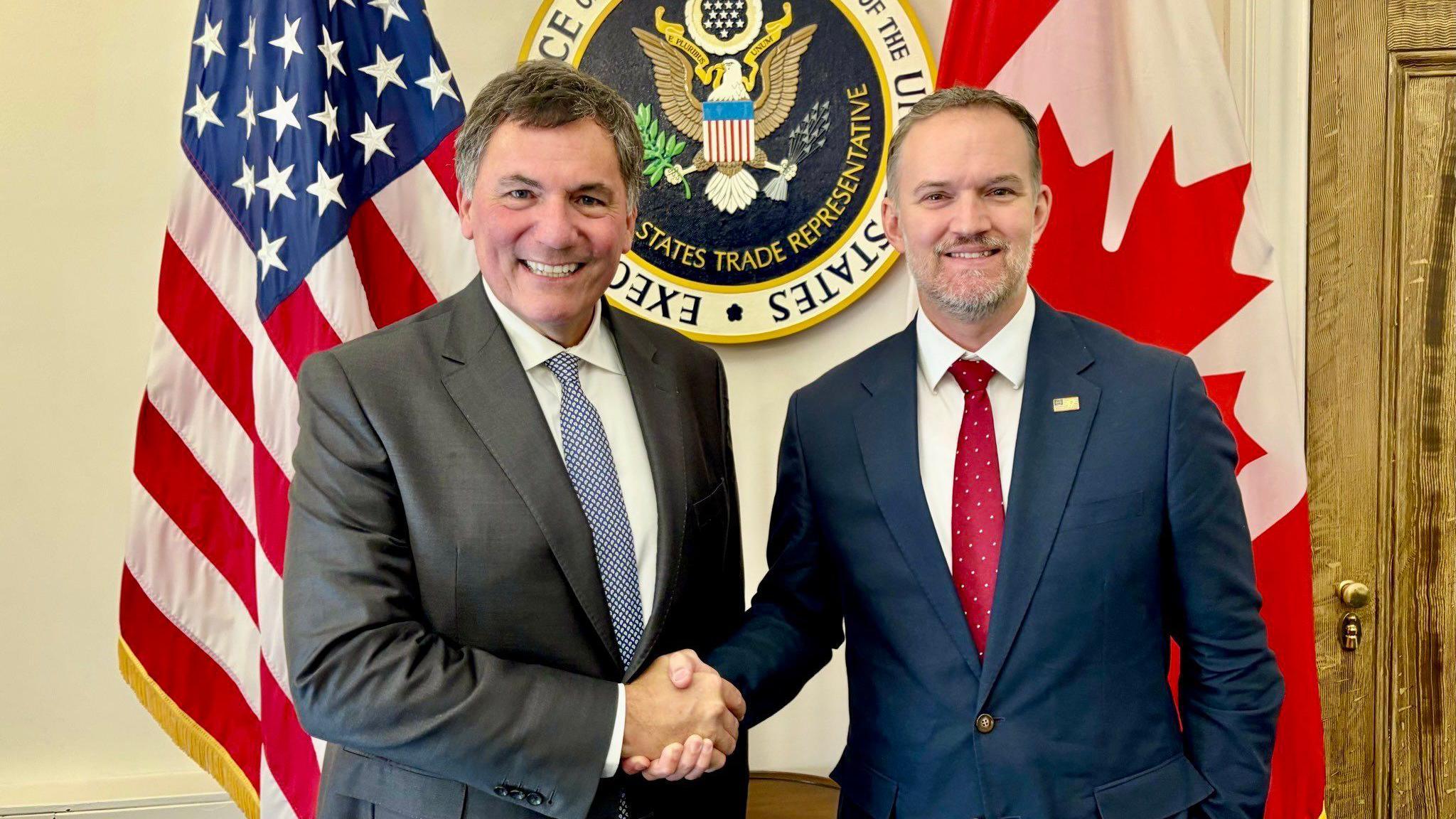
U.S. Trade Representative Jamieson Greer said in a brief press statement following a 45‑minute meeting that the U.S. was “very happy” with the latest discussions and would be briefing Congress on the agreement’s specifics soon. He asserted that the accord would strengthen the North American economy while continuing to protect American workers, jobs and supply chains, though specific concessions were undefined.
Canadian officials have confirmed that the deal includes the lifting of several current tariffs on U.S. agricultural products, although the exact sectors remain unspecified. The Trump administration, meanwhile, has requested reductions on Canadian anti‑retaliatory tariffs on American automobiles, adjustments to dairy import quotas, and the removal of the ban on U.S. alcohol sales that has been in place in most Canadian provinces. Carney’s ministerial team, who have been in Washington for more than a week, are set to brief both the national cabinet and provincial leaders on the negotiated terms.
Despite praise from both leaders, the precise details—such as the scope of the tariff cuts, the regulatory requirements for automotive and dairy trade, and the timeline for implementation—are still pending. Some Canadian polls show a majority opposed to significant concessions to the U.S., expressing a preference for a hardline stance, while business groups on both sides call for a swift agreement to prevent further harm from additional tariffs. The next steps will likely involve finalizing the concrete provisions, drafting the formal documentation, and securing approval within each parliament.
While the agreement’s formal certainty remains out of reach, the pause on impending U.S. tariffs offers a breathing space for negotiators and stakeholders, creating a window in which the two North American economies can move forward with a renewed partnership built on more mutually beneficial trade terms.