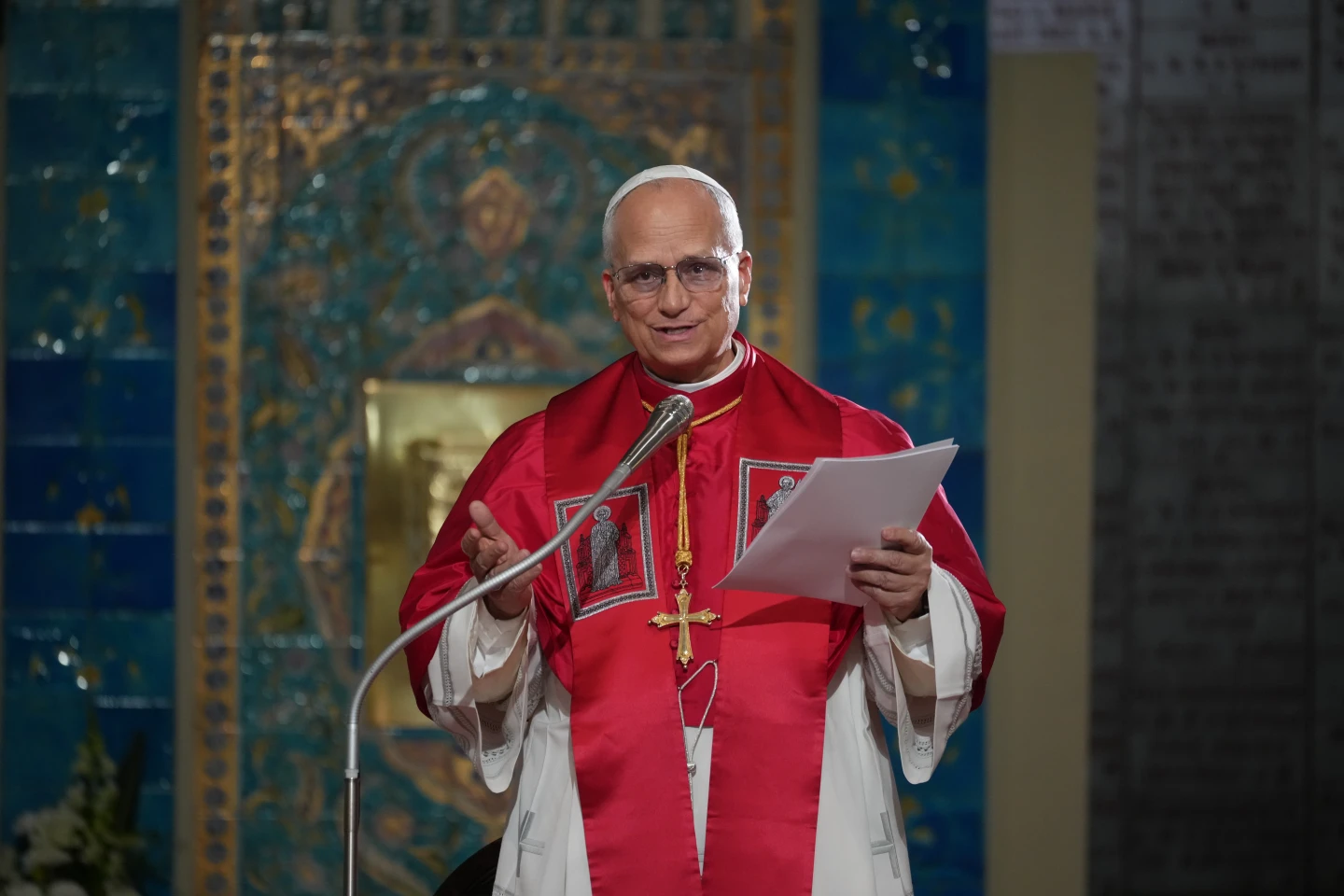
WASHINGTON (AP) — Following Donald Trump's 2024 presidential victory, a significant number of U.S. Catholic voters expressed their support for him. However, a wave of discontent has emerged among Catholic hierarchs, including conservative bishops, concerning Trump's recent unprecedented verbal attack on Pope Leo XIV, the first American pope. Leo, on his part, emphasized his commitment to sharing a Gospel message focused on peace rather than directly targeting Trump.
Criticism came swiftly from notable figures like Archbishop Paul Coakley of the U.S. Conference of Catholic Bishops and Bishop Robert Barron of Minnesota, who only days earlier had praised Trump. Barron described Trump's remarks as entirely inappropriate and disrespectful and called for an apology.
The frustrations extended beyond Catholic circles, reaching influential conservative evangelicals. Many were troubled by Trump’s juxtaposition of himself with a Christ-like image following his critique of Leo.
David Brody, a commentator associated with the Christian Broadcasting Network, openly challenged Trump, stating, TAKE THIS DOWN, MR. PRESIDENT. You’re not God. None of us are. This goes too far. It crosses the line.
By midday Monday, the controversial image had been removed from Truth Social. In response to the backlash, Trump insisted he made no comparison between himself and Jesus and asserted that his post was merely intended to portray himself as a healer.
Trump: No apology needed
The president maintained his defiance regarding his fallout with the pope, insisting, There’s nothing to apologize for. He’s wrong. This dispute arises as Trump faces dwindling approval ratings and complications within his MAGA base, notably over conflicts such as the war with Iran.
Despite the tension, some observers remain optimistic that the issue will soon dissipate. Ralph Reed, a member of Trump's faith advisory board, noted a strong appreciation among supporters for Trump's faith-based policies, which he believes will overshadow any controversy stemming from a social media post.
Experts have remarked on the historical context of this spat, noting that while past presidents have disagreed with popes, the level of public critique from a sitting U.S. president is unprecedented. Political science professor David Campbell called this back-and-forth a watershed moment marking a significant ideological divide among American Catholics, possibly favoring Trump over papal authority.
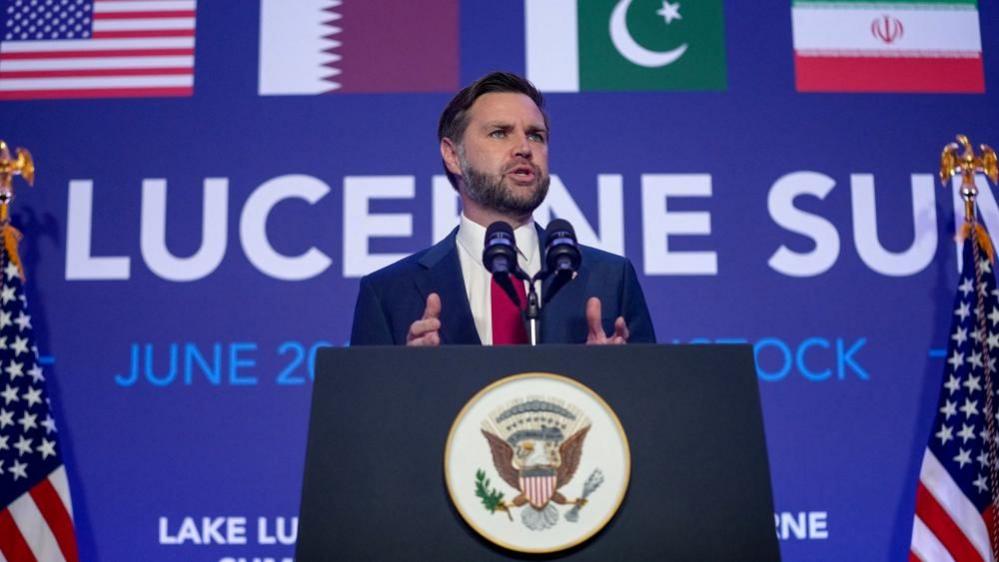
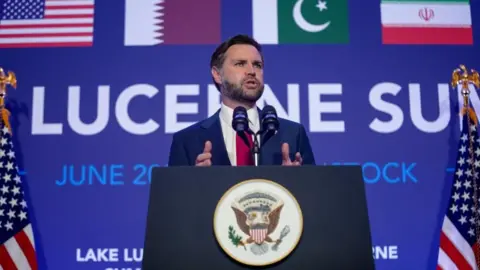
Questions also arose regarding the response of Vice President JD Vance, a Catholic convert. Catholic advocacy groups urged him to take a stand on the matter, emphasizing the importance of supporting the pope during trying times.
As midterm elections approach, analysis indicates that while white evangelicals largely supported Trump, a notable disparity exists among Catholic voters, underscoring potential electoral risks for the former president.