Iran Sees Post‑War Deal With U.S. as New Source of Strength
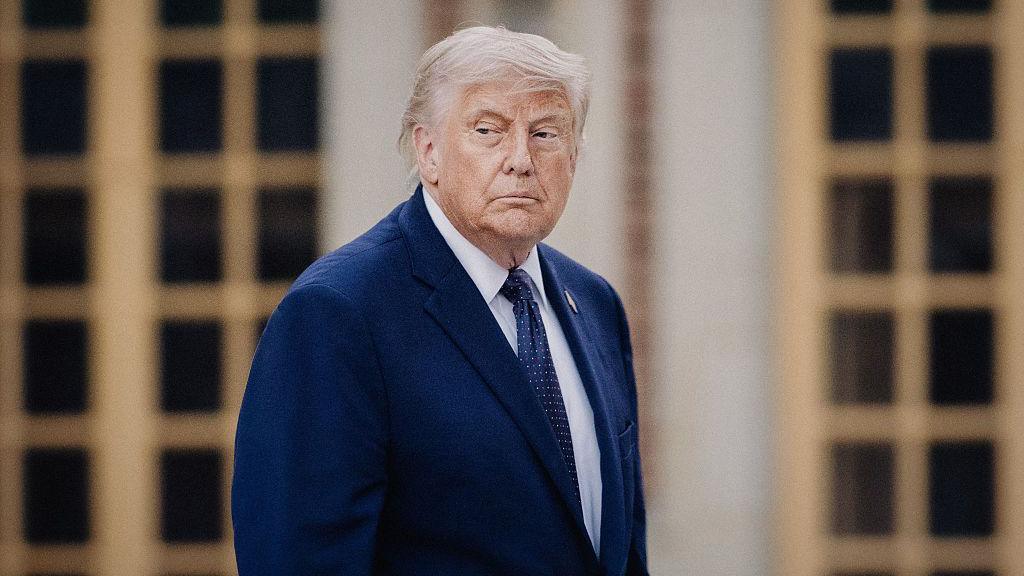
For Tehran, the recent Memorandum of Understanding (MoU) signed by Presidents Donald Trump and Mohammad Pezeshkian offers more than a ceasefire. It provides an image of resilience: Iran has survived a confrontation with the United States and Israel without surrender, and the deal keeps its leadership intact while promising practical benefits.
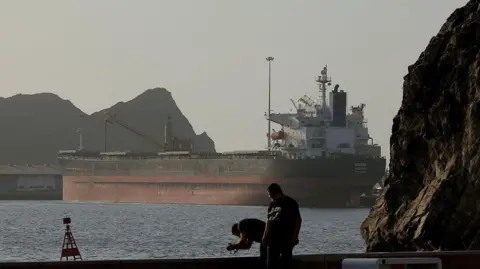
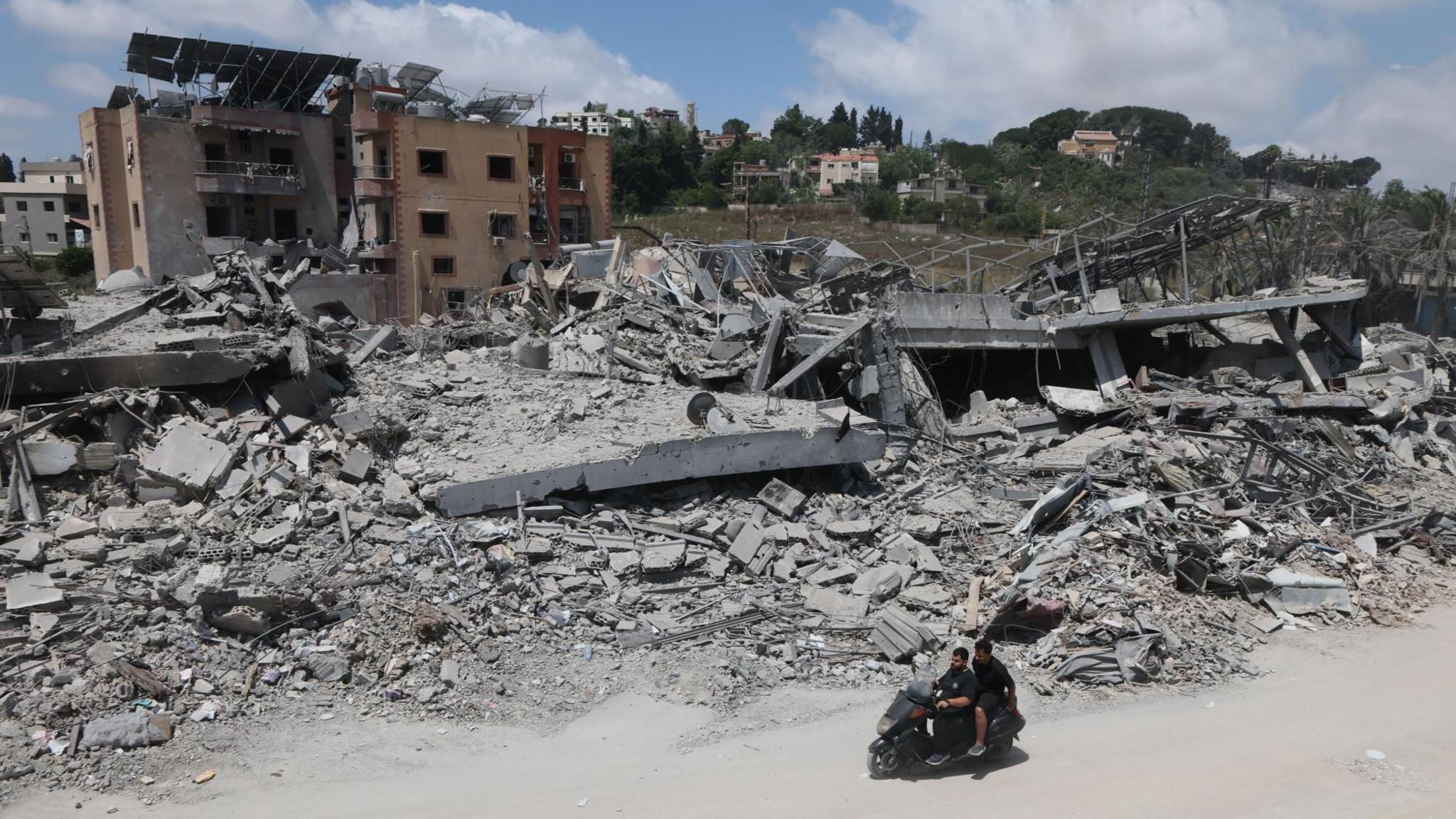
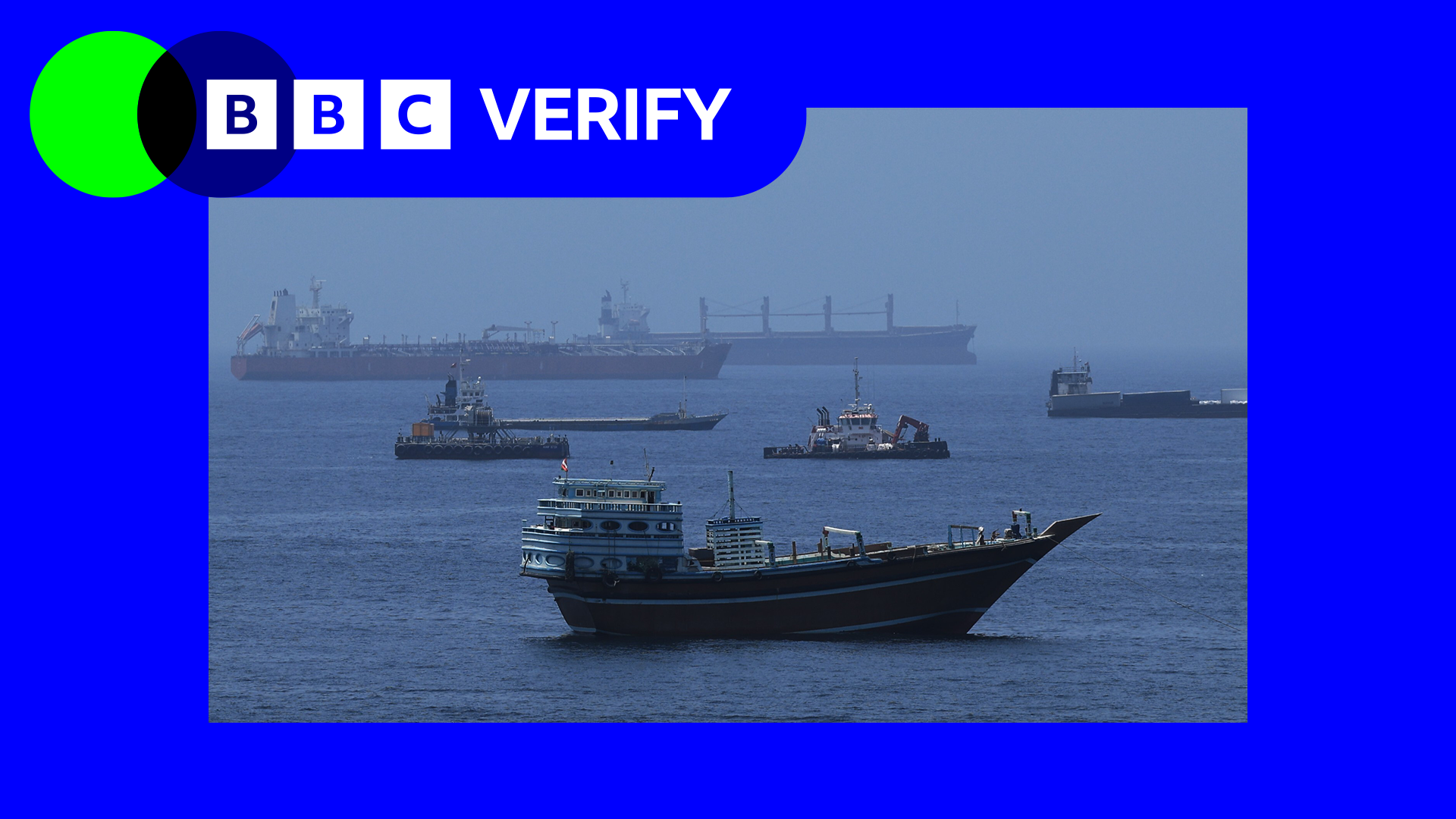
The MoU calls for a 60‑day stop to all military operations—including those in Lebanon—ensures safe passage through the Strait of Hormuz, and lifts the U.S. naval blockade on Iranian shipping. It also outlines a potential $300 bn reconstruction and economic development plan underpinned by regional partners, while softly confirming that Iran will not pursue nuclear weapons.
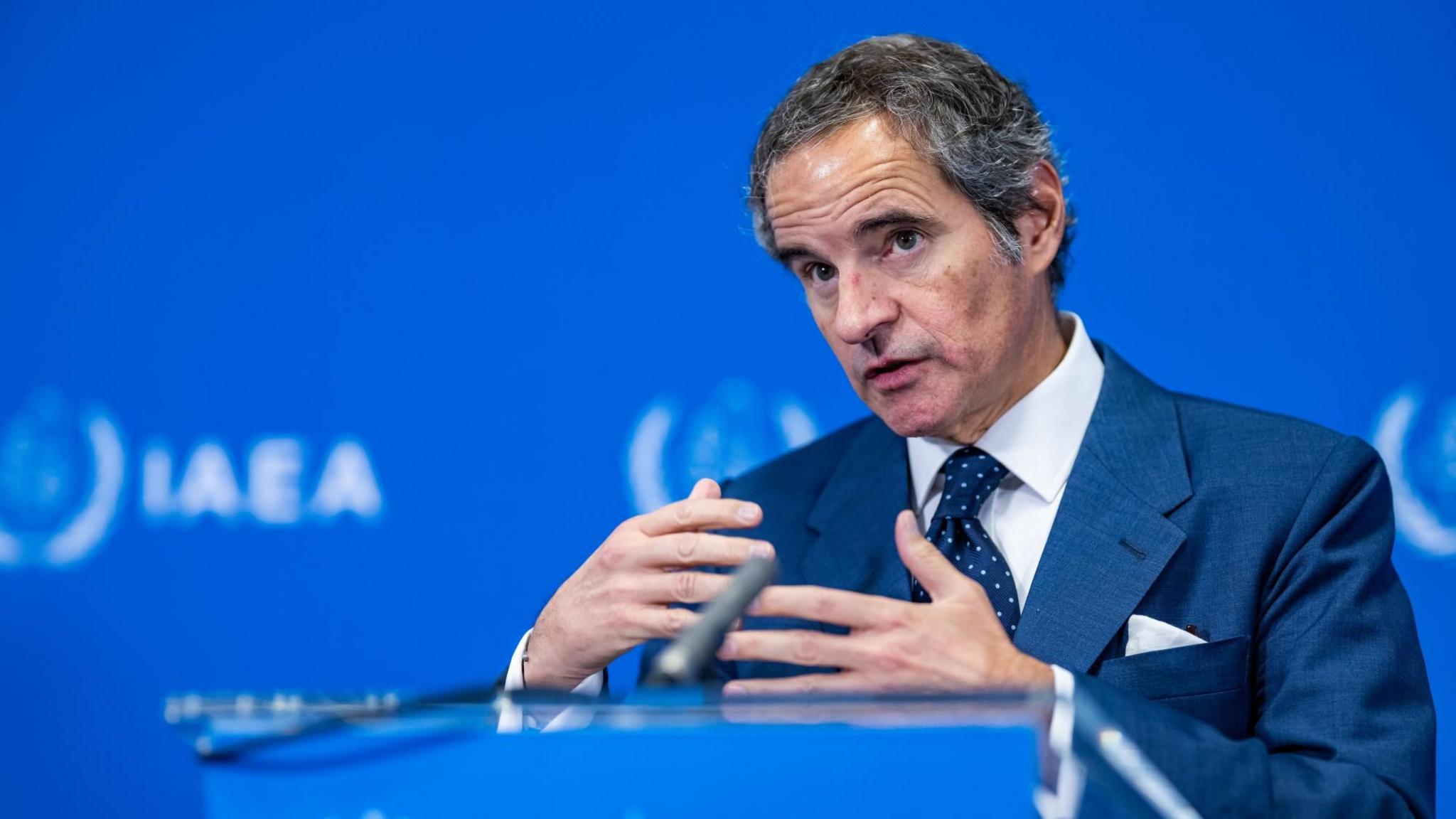
On the other hand, key nuclear issues remain unaddressed. The future of Iran’s highly enriched uranium stockpile and the scale of its enrichment industry are slated for negotiation under intense pressure. For Iranian hard‑liners, any concession could be portrayed as a defeat, undermining the domestic narrative of victory that the government has cultivated.
The balance Tehran must maintain is that of a cautious leader and a resiled war survivor. By offering sanctions relief and reconstruction aid, the MoU strengthens the regime’s hand in the short term, but it needs to keep the political base united while negotiating the burning issues of nuclear enrichment. Failure to secure an agreement could jeopardise the ceasefire itself and restore tensions, potentially turning the negotiated framework into a tool for Washington and Israel to push for renewed conflict.
In summary: Iran’s latest deal with the U.S. gives the country a narrative of victory and tangible benefits, but its deferred nuclear concessions create a fragile situation where political perseverance must be matched with diplomatic pragmatism.