Near the Kremlin, several dozen people queue outside the presidential administration office, petitions in hand calling on President Vladimir Putin to end the ongoing crackdown on the internet. In recent months, Russian authorities have tightened control over cyberspace, significantly restricting access to global messaging apps and causing widespread disruptions in mobile internet services.
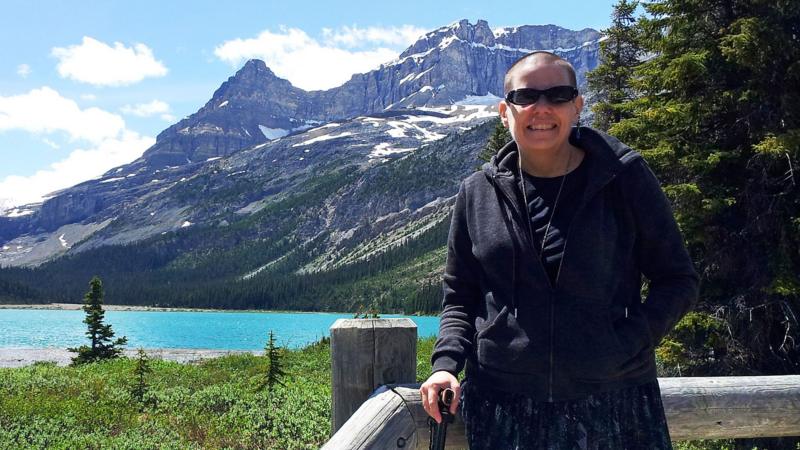
Petitioning the president may be legal, but in Russia's authoritarian climate, it comes with significant risks. As security officers film the petitioners, the feeling of unease is palpable. Aren't you scared? I ask Yulia, a participant. Very scared, she admits, visibly shaking.
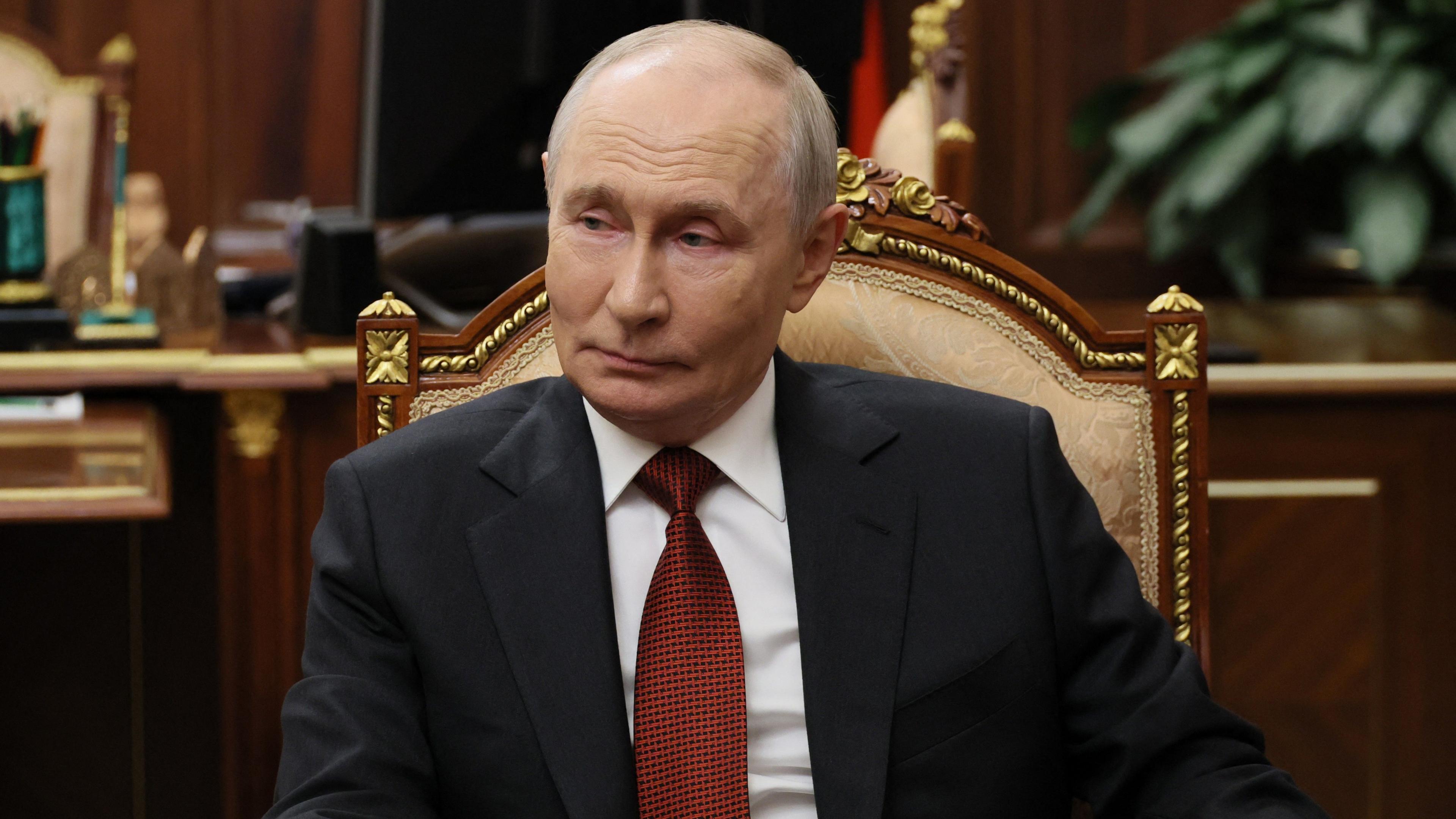
Despite acknowledging the disruptions, Putin insists they are necessary for operational safety against potential terrorist threats, although he has directed officials to ensure critical internet services remain functional.
The tightening restrictions are affecting everyday citizens like Yulia, who owns a catering business. With her website intermittently inaccessible, she faces financial losses with each internet shutdown. Without internet access, in this form, my business will not exist, she states.
Officials argue that curbs on communication are in the public safety interest, claiming mobile internet disruptions disorient Ukrainian attack drones, even though such attacks have persisted in areas where the internet has been cut off. Moreover, there is a push for a state-backed messenger called MAX, but many citizens are wary, suspecting it to be another tool for surveillance.
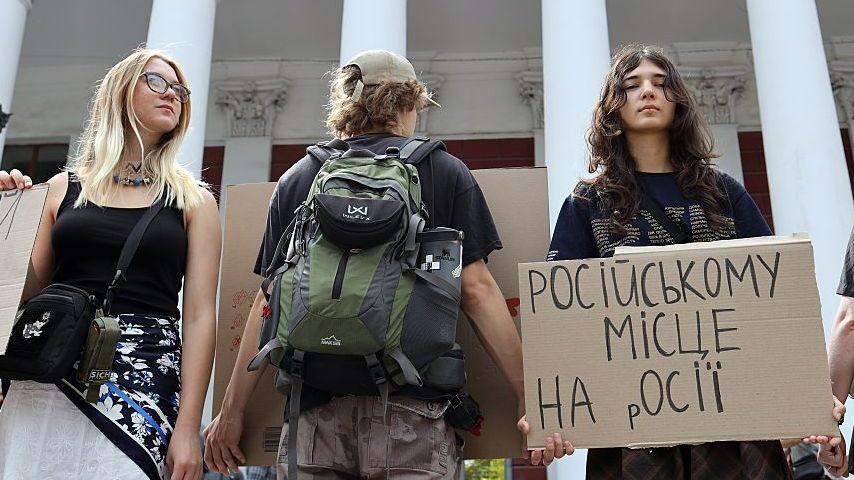
Residents express discontent about internet restrictions. Activist Yulia Grekova recounts her struggles to organize a protest, only to be met with bureaucratic hurdles and police warnings. Many applications for public protests have been rejected on dubious grounds, contributing to a culture of fear and uncertainty.
Denis, another local, laments the daily inconveniences caused by restrictions: Today I couldn't pay for petrol because my app glitched. Business owners are particularly frustrated as internet access is crucial for customer engagement.
Columnist Andrei Kolesnikov notes that Russians are increasingly connecting their personal issues with Putin's politics, suggesting a growing public awareness of their situation. As discontent simmers, the regime's reliance on repression only seems to intensify, with significant public movements starting to emerge against the backdrop of tightening controls.
Despite the risks, Yulia stands her ground, prepared to adapt her business amid these changes - a reflection of the resilience many Russians have shown throughout their history. Yet the future remains uncertain, with conversations limited to immediate concerns rather than longer-term hopes.
Petitioning the president may be legal, but in Russia's authoritarian climate, it comes with significant risks. As security officers film the petitioners, the feeling of unease is palpable. Aren't you scared? I ask Yulia, a participant. Very scared, she admits, visibly shaking.
Despite acknowledging the disruptions, Putin insists they are necessary for operational safety against potential terrorist threats, although he has directed officials to ensure critical internet services remain functional.
The tightening restrictions are affecting everyday citizens like Yulia, who owns a catering business. With her website intermittently inaccessible, she faces financial losses with each internet shutdown. Without internet access, in this form, my business will not exist, she states.
Officials argue that curbs on communication are in the public safety interest, claiming mobile internet disruptions disorient Ukrainian attack drones, even though such attacks have persisted in areas where the internet has been cut off. Moreover, there is a push for a state-backed messenger called MAX, but many citizens are wary, suspecting it to be another tool for surveillance.
Residents express discontent about internet restrictions. Activist Yulia Grekova recounts her struggles to organize a protest, only to be met with bureaucratic hurdles and police warnings. Many applications for public protests have been rejected on dubious grounds, contributing to a culture of fear and uncertainty.
Denis, another local, laments the daily inconveniences caused by restrictions: Today I couldn't pay for petrol because my app glitched. Business owners are particularly frustrated as internet access is crucial for customer engagement.
Columnist Andrei Kolesnikov notes that Russians are increasingly connecting their personal issues with Putin's politics, suggesting a growing public awareness of their situation. As discontent simmers, the regime's reliance on repression only seems to intensify, with significant public movements starting to emerge against the backdrop of tightening controls.
Despite the risks, Yulia stands her ground, prepared to adapt her business amid these changes - a reflection of the resilience many Russians have shown throughout their history. Yet the future remains uncertain, with conversations limited to immediate concerns rather than longer-term hopes.