Warning: This story contains distressing details and discussion of attempted suicide.
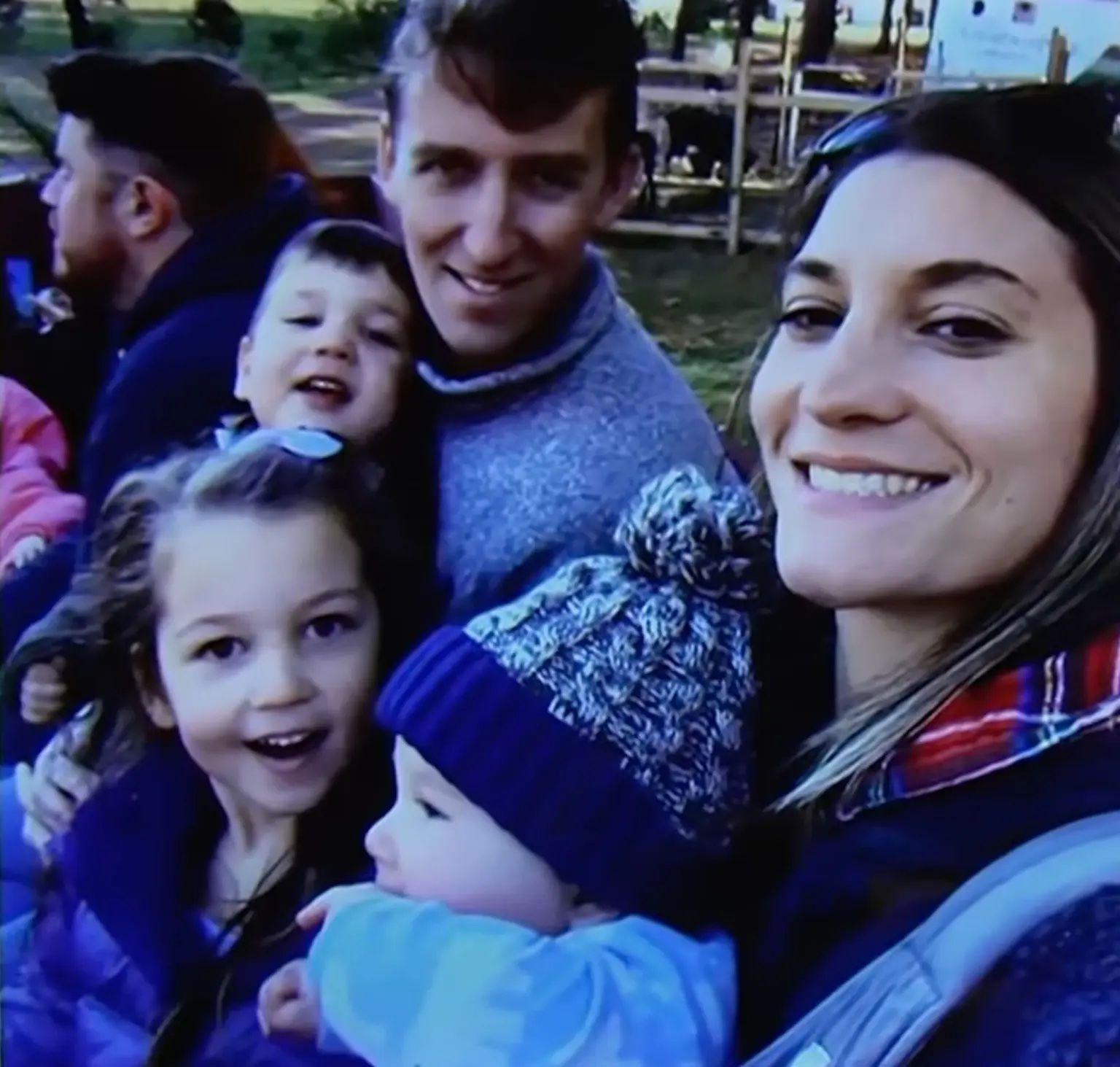
In a Boston courtroom, Lindsay Clancy—whom prosecutors have charged with murdering her three children—faces a defence that her actions were the result of a severe postpartum psychosis. Forensic psychiatrist Dr. Phillip Resnick testified that on the day of the killings Clancy suffered a “command hallucination” and a delusion of influence that prevented her from controlling her conduct.
The prosecution maintains that Clancy deliberately strangled five‑year‑old Cora, three‑year‑old Dawson, and eight‑month‑old Callan with gym‑style fitness bands before throwing herself from a second‑floor window. They argue the act was pre‑planned and driven by intent.
Resnick’s expert opinion—that Clancy was unable to understand the difference between right and wrong, believing she was doing a mercy killing for the benefit of her children’s after‑life—provides a stark contrast to the prosecution’s narrative.
Clancy’s mother and former mother‑in‑law testified earlier this week that she had begged for help after the birth of her youngest son, describing her as a once‑“nurturing, loving” mother who later deteriorated mentally and physically.
The defence cites that Clancy was undergoing psychiatric treatment and had checked into hospital for a few days before the deaths. The NHS defines postpartum psychosis as a rare, serious mental illness that can emerge soon after childbirth—a condition that requires immediate medical attention.
For those experiencing distress, organisations like Befrienders Worldwide (www.befrienders.org) and local action lines offer help.