Deadlocked Jury in Mother‑to‑Be Murder Trial: Judge Urges Continued Deliberation

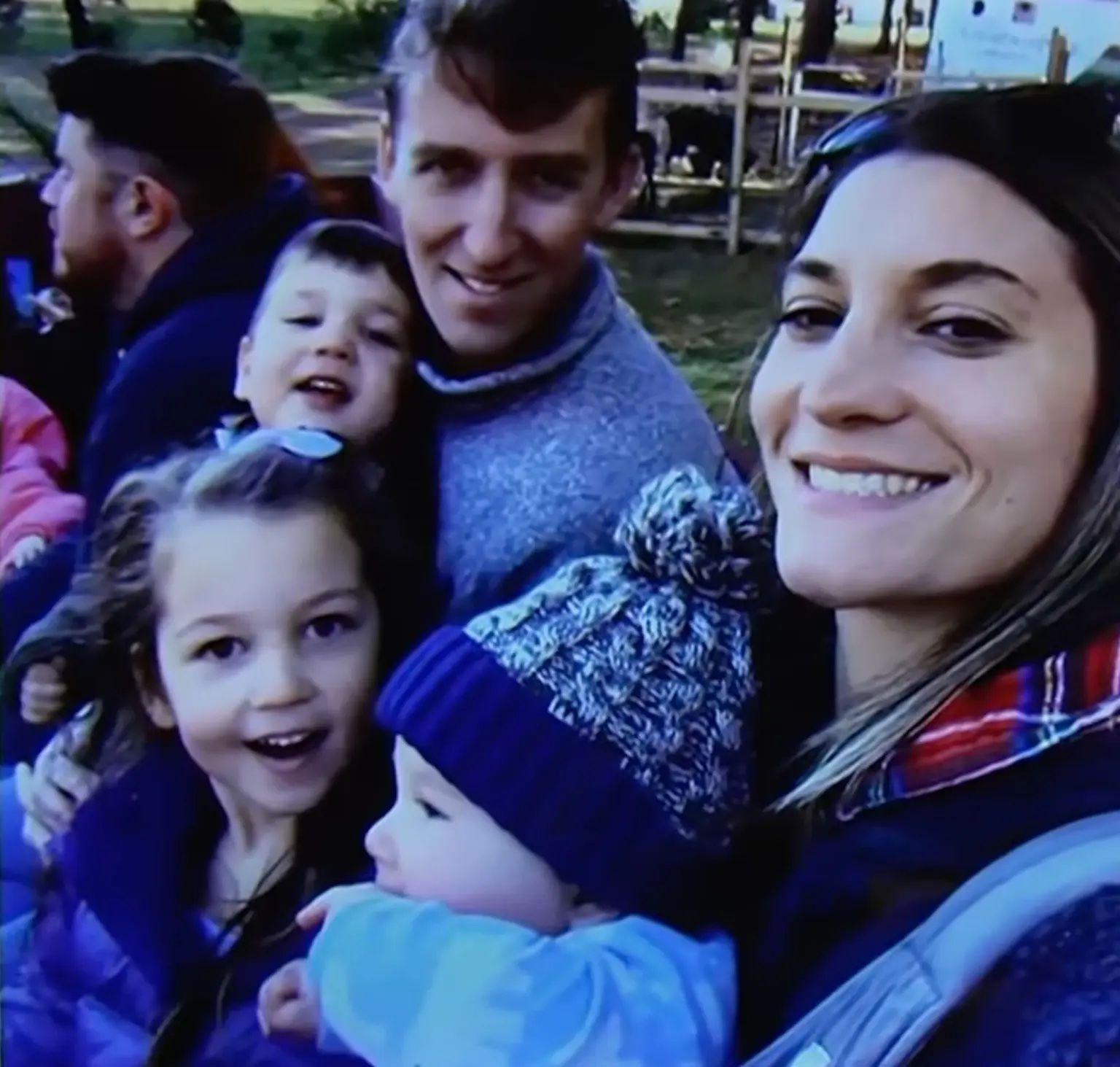
Clancy, a 36‑year‑old Massachusetts resident and former nurse, is charged with three counts of first‑degree murder for strangling her children – Cora (5), Dawson (3) and 8‑month‑old Callan – with fitness bands in their home in January 2023. While the prosecution claims she deliberately killed her children, her defence argues she was suffering from postpartum psychosis and could not discern right from wrong.
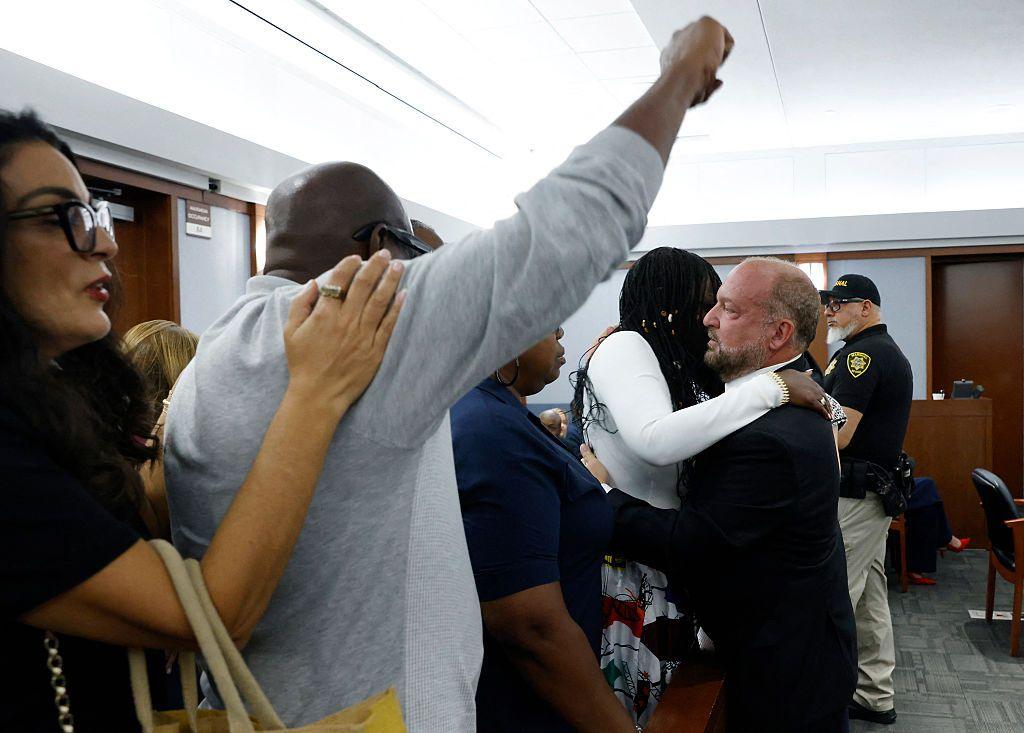
The jury, made up of nine women and three men, heard weeks of testimony from dozens of witnesses before starting deliberations last week. On Tuesday, Judge William Sullivan announced a deadlock when the jurors returned a note indicating they could not agree on a verdict.
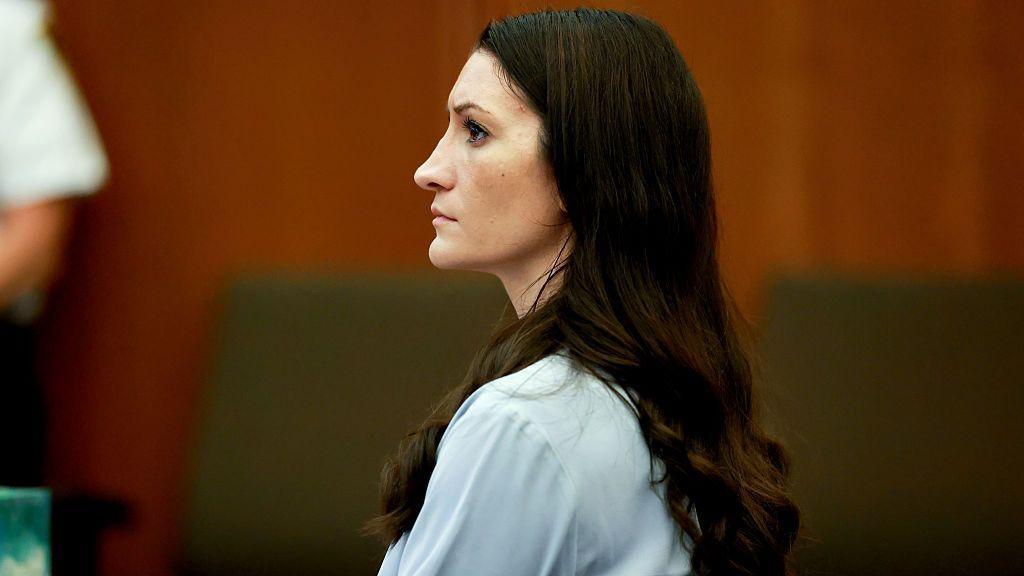
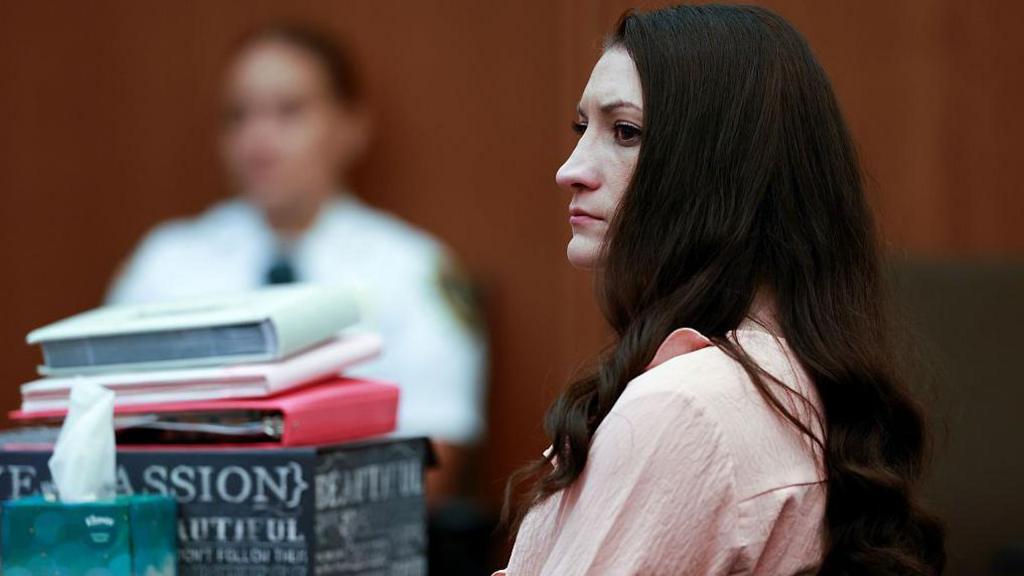
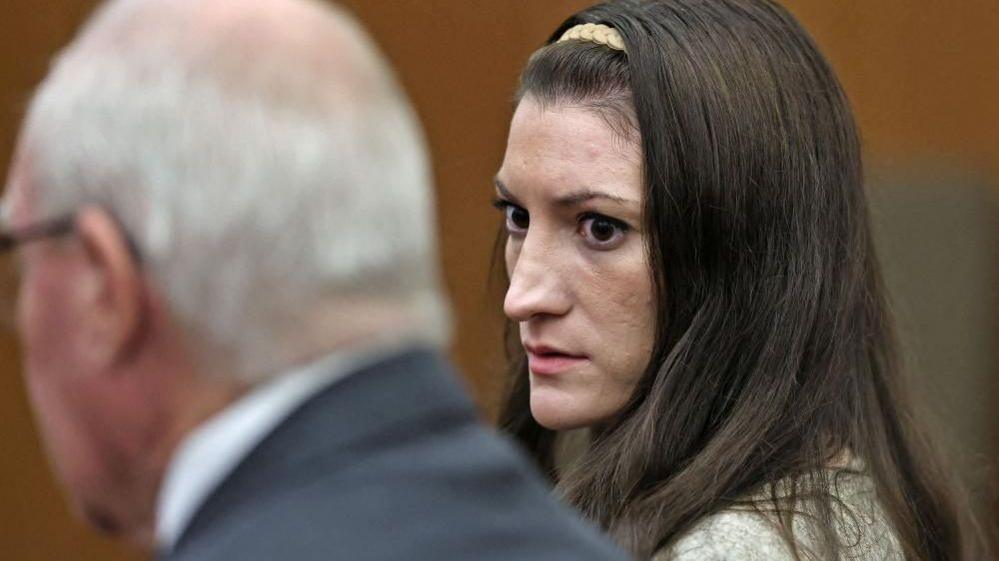
Clancy, left paralysed after jumping from a second‑floor window immediately after the killings, sat stoically in a wheelchair beside her lawyer. High‑profile trials often see juries struggle to reach consensus; judges have protocols for such situations.
"If the deadlock persists, the judge might issue an additional ‘dynamite’ instruction – known locally as a Tuey‑Rodriguez charge – to encourage the group to consider alternative perspectives and strive for an agreement," explained New York Law School professor Heather Cucolo, an expert in mental health law. She added it is typically a last‑ditch effort, and that failure to reach a verdict may lead to a mistrial.
If convicted of first‑degree murder, Clancy faces a mandatory life sentence without parole. Alternatives include second‑degree murder or manslaughter, which still carry significant prison terms. A verdict of not guilty by reason of insanity would send her to a psychiatric hospital rather than prison, potentially for life, with periodic reviews of her status.