Cuba’s Tourism Collapse: US Sanctions Drastically Cut Visitor Numbers
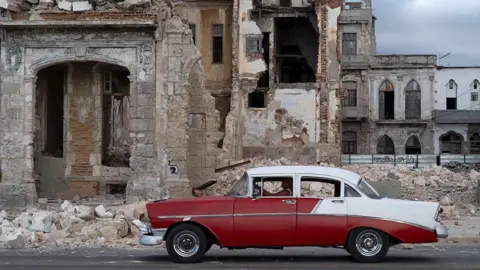
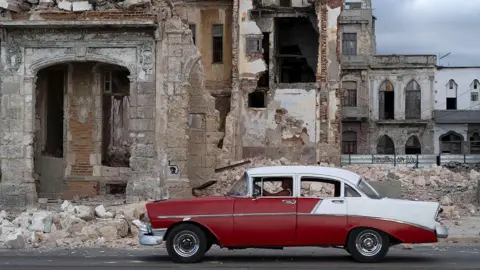
Cuba’s tourism sector, once a lifeline for the island’s finances, is in crisis. According to the national statistics agency Onei, fewer than 360,000 foreign visitors travelled to the communist‑run country in the first five months of 2026 – a 58.4% drop from the same period in 2025.
The steep fall follows a tightening of US sanctions aimed at Chile’s state‑owned conglomerate Gaesa, which is seen by Washington as a “state within a state”. The sanctions extend to any company doing business with Gaesa, prompting airlines such as Air Canada to suspend flights to Cuba indefinitely, while Spanish hotel operators Meliá and Iberostar halted operations at several resorts ahead of the 5 June deadline.
Getty Images
The withdrawal of foreign carriers has amplified the crisis. Air Canada cited “ongoing political and economic uncertainty” as the reason for its decision, an outcome that Matt Gaffney of the International Air Transport Association notes has left 20% of the island’s airline routes without service. Compounded by a dearth of aviation fuel, Canadian flights had already ceased in February, exacerbating the decline in inbound tourism.
Beyond tourism, the sanctions‐induced oil blockade has stoked shortages of fuel, medicine and food. Health officials report a falling survival rate for children with cancer – from 85% to 65% since January, a stark marker of the crisis. Everyday services such as garbage collection are stalled, leaving streets littered with accumulated refuse, while power cuts have become frequent enough to spark public protests – rare in a nation where dissent can lead to lengthy imprisonment.
The pressure on Cuba is therefore multifaceted. While Washington’s policy weaponises travel to isolate the regime, it also destabilises the island’s fragile economy, threatening the living conditions of its citizens and potentially widening the humanitarian fallout that has already begun to surface across healthcare and essential provisions. The world watches how this escalation might reshape the region’s geopolitical balance and the everyday reality of Cuban society.