Japan has implemented a five‑fold increase to visa fees for all foreigners, marking the first price hike in nearly 50 years.
From 1 July, single‑entry visa fees will rise from the current 3,000 ¥ (≈$18.69/£14) to 15,000 ¥, while multi‑entry visas will cost 30,000 ¥, up from 6,000 ¥.
Foreign Minister Toshimitsu Motegi explained that the revision reflects inflation and exchange‑rate fluctuations.
"We do not anticipate that it will have an immediate impact on inbound tourism," he added.
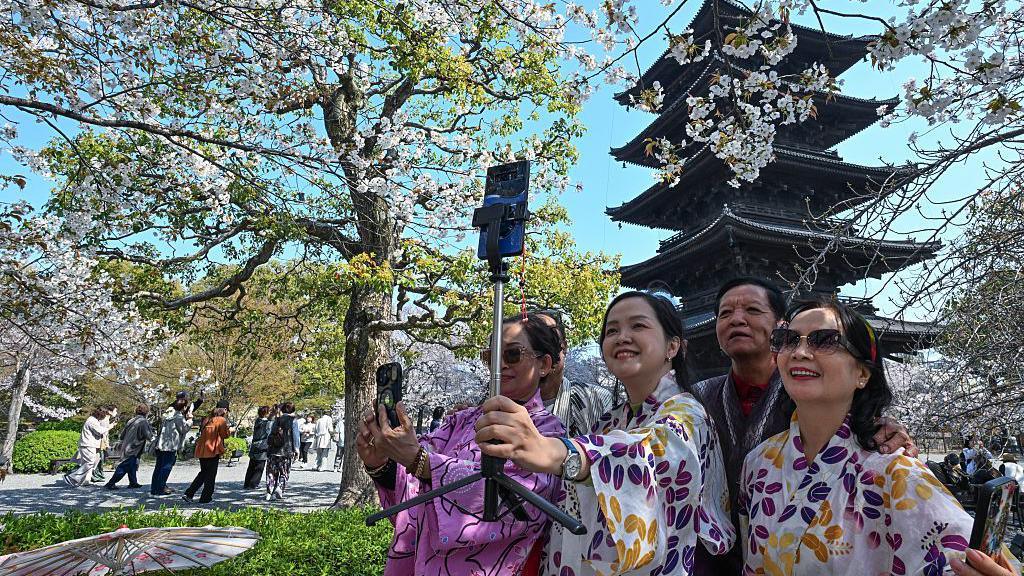
The yen has weakened steadily since 2021, hovering near historic 40‑year lows. Coupled with a post‑pandemic travel rebound, Japan welcomed a record 42.7 million international tourists last year.
In May, Japan’s Upper House passed a bill to increase other fees for foreigners. Under the new rules, the statutory upper limit for permanent‑residency applications will rise to 300,000 ¥ (30× the current 10,000 ¥). Changing residency status or extending a stay will cost up to 100,000 ¥, up from the current 10,000 ¥.
Officials argue that aligning visa and residency fees with those of other G7 economies—where non‑immigrant visa costs range from $185 to $315, and the UK’s standard short‑term visa sits at £135—will level the playing field.
The reforms are part of a broader effort to modernise Japan’s immigration framework while maintaining its popularity as a travel destination.