From Detroit to Beirut
Every week Mirvet Makki sends a portion of her catering revenue back to Lebanon, the country of her childhood village, Bint Jbeil. Having immigrated to Michigan in 1990, the 47‑year‑old lives in the Detroit suburb of Dearborn Heights, where she whips up couscous stews and kibbeh for local cafés and her own orders.
“I was thinking, ‘What can I do for other people?’” she says. So I used my business. Even in a rapidly rising cost‑of‑living economy, she guarantees the money she can spare is sent to family, thousands of miles away.
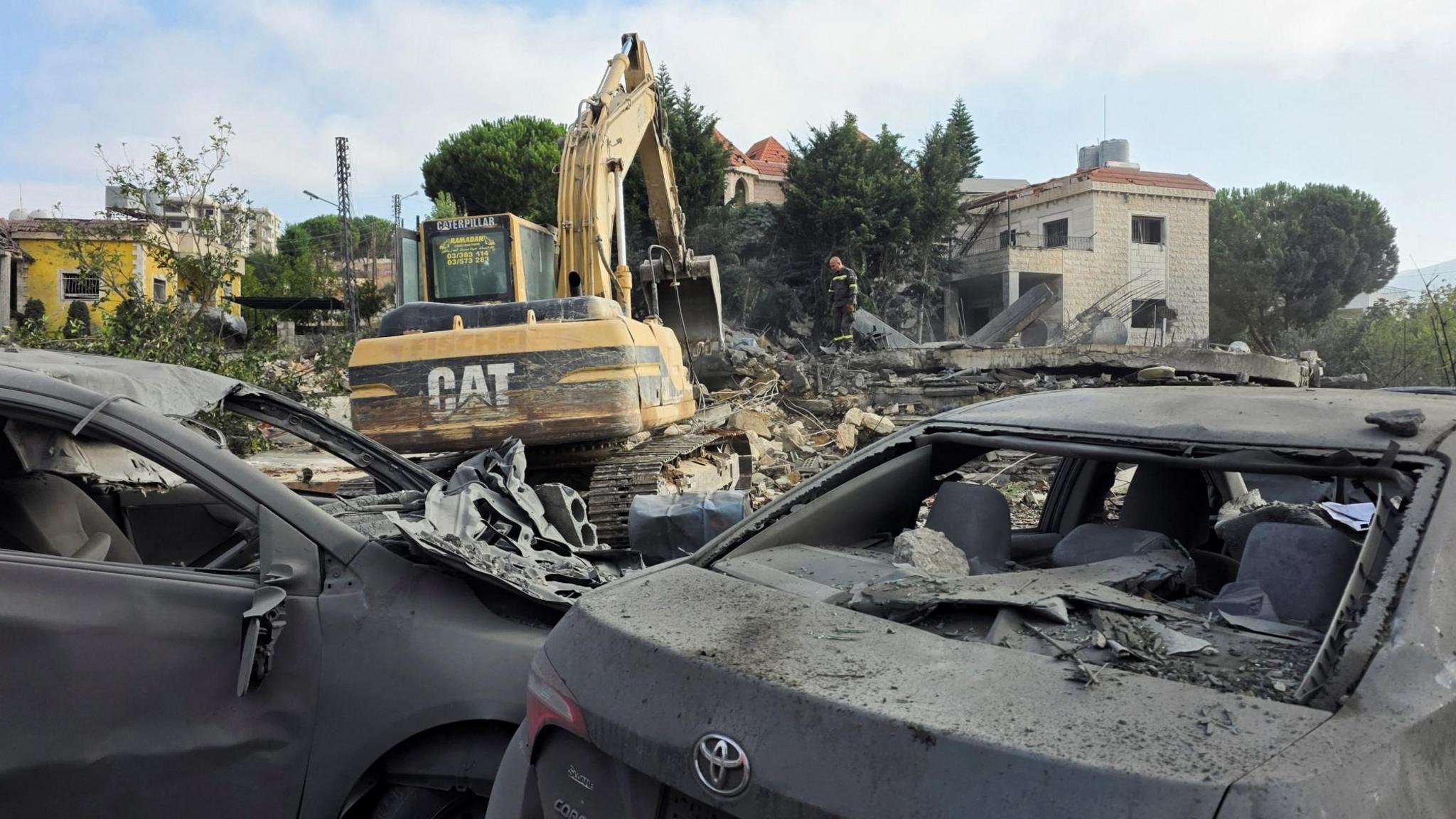
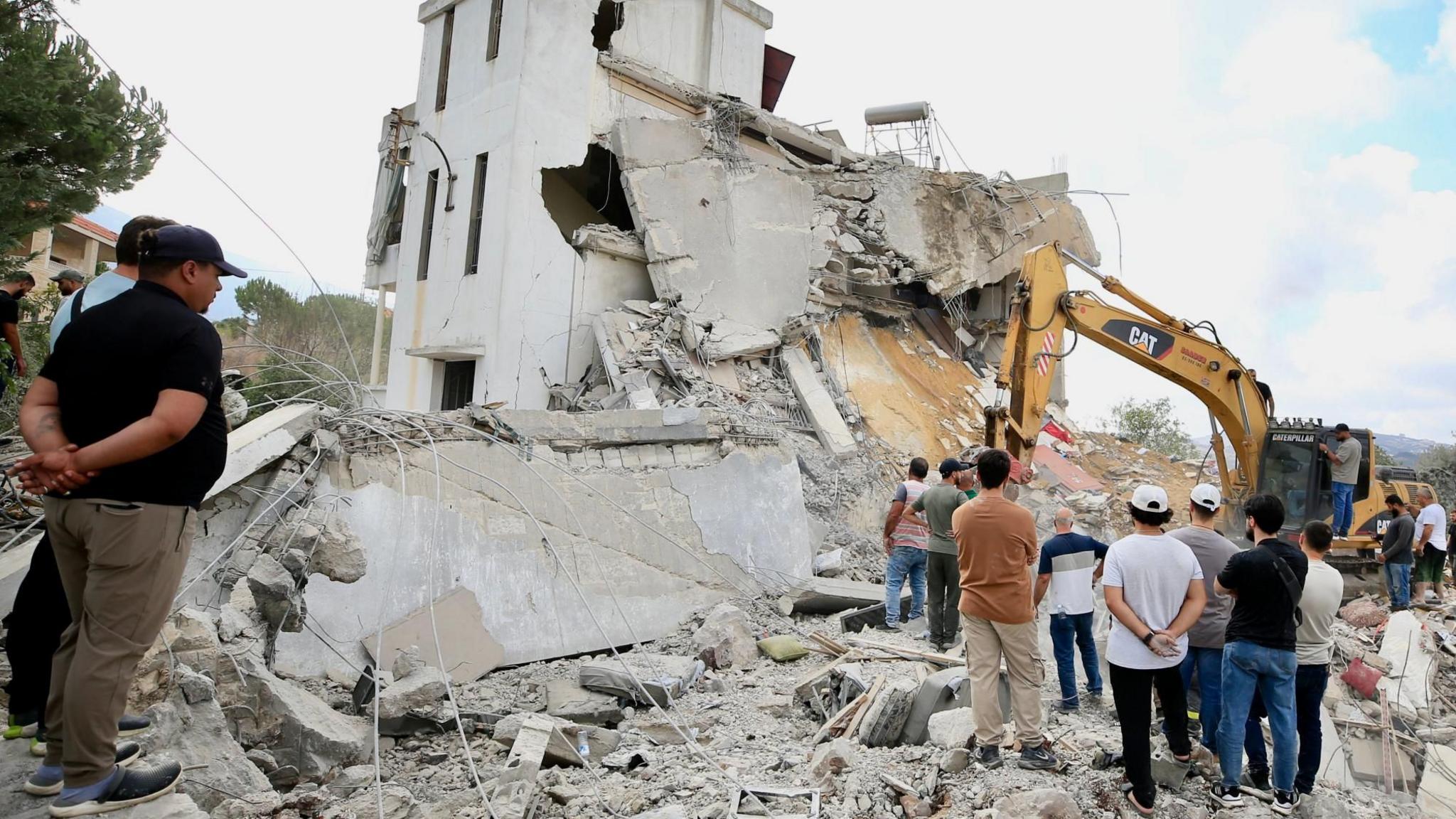
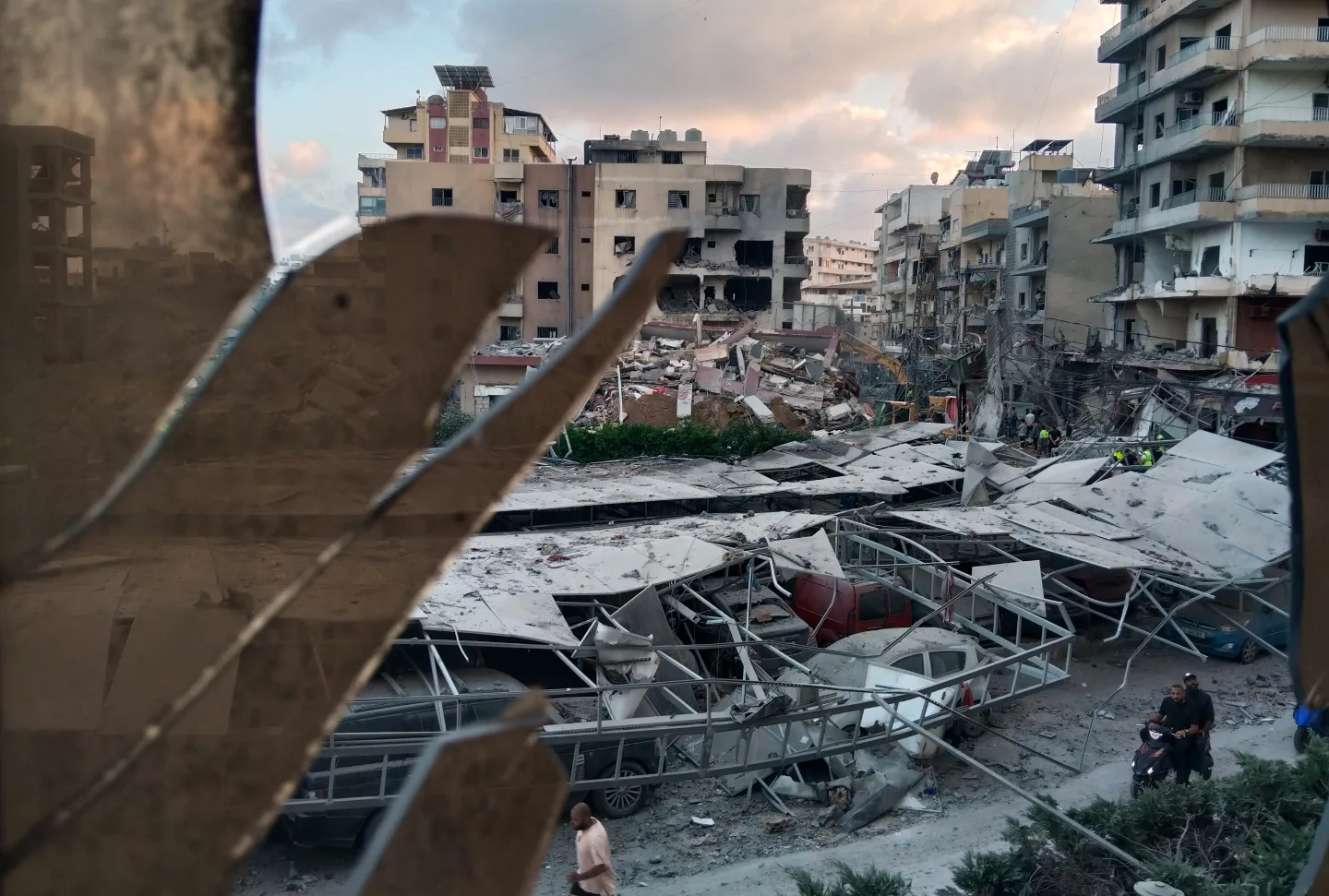
Lebanon is currently one of the hardest‑hit areas in the recent Israel‑Hezbollah conflict. More than 1 million people—roughly one in every six Lebanese—have been displaced by fighting that has killed over 3,500. The war’s destruction has forced many Lebanese Americans to feel the impact directly, whether by sending money or by organizing community fundraisers.
A Community United by Grief
Across metro Detroit, Arabic signs light up cafés, burger joints and bakeries. The recent war has left a palpable grief throughout the sector, as business owners and customers alike watch news of the conflict unfold and hear descriptions of the deadly exchanges from the archives of the American newspaper archives.
Honestly it’s hard. Like, what do you say? asks Makki. She continues: They’re going to ask me what I’m doing. Let’s say I’m at work. They lost their jobs. Let’s say I tell them I’m home. They lost their homes.” It is a conversation she has repeated with many relatives and friends.
The Global Diaspora and Its Power
Lebanese immigration to the U.S. dates back to the late 1800s. A census counts roughly 625,000 Lebanese American residents, while other estimates range close to 1.4 million. Their annual remittances—billions of dollars—support a country grappling with a collapsed economy, where the U.S. dollar increasingly functions as a de‑facto currency.
“There is no Lebanese homeland without the diaspora,” says Edward Curtis, director of Arabic Studies at Indiana University. “The people rely on each other, not on Washington.”
Women like Maya Attoui are launching Detroit‑based fundraisers to raise awareness and help Lebanese families during the turmoil. Unable to shift families to the U.S., she says, “Our heart melts and breaks because of what we see.”
Nadia Bryant of Troy, Michigan, sends money to sisters in Lebanon who have been displaced by Israeli operations. Rather than saving for themselves, the sisters use the funds to support orphaned children: They are such righteous people… They aren’t even trying to take the money for themselves. They’re like, ‘We have shelter, but this person needs a mattress.’
Makki limits her personal remittance to about $10,000 to avoid being flagged. After that, she jokes, Maybe take it myself? She stays with 1‑on‑1 conversations with her relatives, asking simple questions of daily life rather than mere inquiries about well‑being.
Financial Lifeline and a Shared Identity
The war’s impact has shrunken Beirut into a constellation of memories for diasporic families. They brace against economic collapse, likely a swirl and future opportunity that hinge in practice on the simple kindness of a cook, a letter‑writer, or a phone call. And while foreign policy may dictate forget‑ful in Washington, the heart of the U.S. Lebanese community beats as a single drumbeat—one that whispers resilience.