Divided Opinions: Conservatives Split on Iran War as Trump Faces Pressure
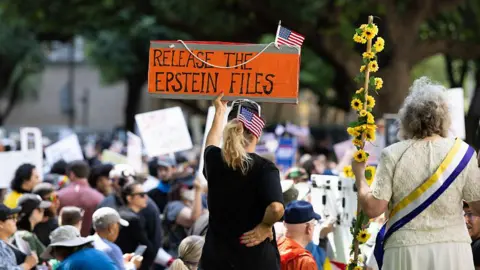
The ongoing U.S.-Israeli military campaign in Iran has sparked mixed reactions among American conservatives. While many Republicans initially supported the war, a noticeable generational gap has surfaced at the Conservative Political Action Conference (CPAC) in Texas.
Younger conservative attendees at CPAC voiced skepticism about the war's rationale and economic impact, emphasizing domestic issues such as rising costs of living. In stark contrast, older conservatives remained steadfast in their support for President Trump's military strategy.
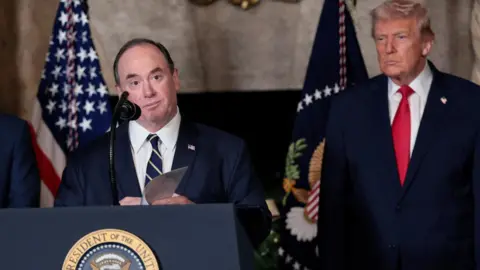
As polling suggests growing discontent, particularly among younger voters, this division points to potential challenges for Trump as midterm elections approach. With Trump claiming the conflict is 'winding down', pressure for an exit strategy is mounting from within his party.
Young Conservatives Question War’s Purpose
Many younger CPAC participants expressed doubts about America's involvement in Iran. Toby Blair, a college student, criticized the notion of the U.S. intervening in foreign conflicts while domestic issues abound. He remarked, 'I don't like that it's become America's job to find bad people and get rid of them.'
Joe Bolick, a friend of Blair, echoed these sentiments, questioning the endgame in Iran. Their concerns reflect a broader trend among younger conservatives who initially supported Trump for his non-interventionist policies.
Older Supporters Stand Firm
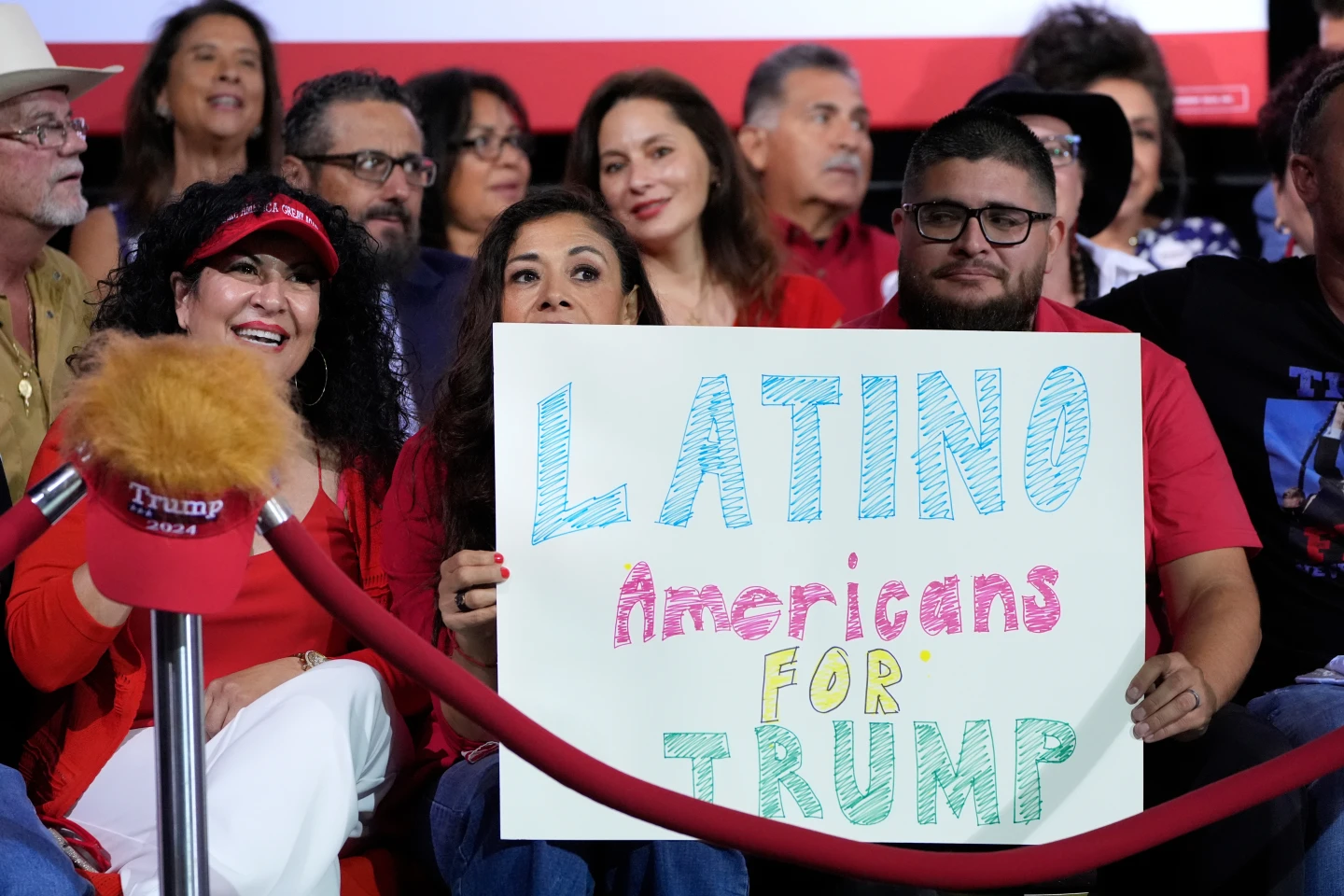
Conversely, older conservatives at CPAC largely remained loyal to Trump, viewing the threat from Iran as significant. Members of groups like the 'Trump Tribe of Texas' defended the war, asserting that the U.S. must counter threats to national security.
Michael Manuel-Reaud, a founder of the group, emphasized the necessity of U.S. action against potentially nuclear threats, stating, 'If there's a threat for the United States getting bombed, who can say no to that?'
Polling Data Highlights Discontent
Recent Pew Research polling indicates that while 79% of Republicans approve of Trump’s war efforts, only 49% express strong support. The disparity is particularly evident among younger Republicans, with only 49% backing the war. This could lead to lower enthusiasm and turnout in the upcoming elections.
As this generational divide widens, the implications for the Republican Party and Trump's 2024 campaign are significant. Younger voters, essential for Trump's previous victory, may become disengaged if their concerns regarding the war remain unaddressed.
Conclusion
As Trump faces increasing pressure both from younger conservatives and within the broader party, the future of the U.S. military campaign in Iran remains uncertain. The ongoing discourse at CPAC illustrates the necessity of addressing these fractures to maintain a unified base moving forward.